Spec Homes Explained: Why Builders Discount Completed Inventory
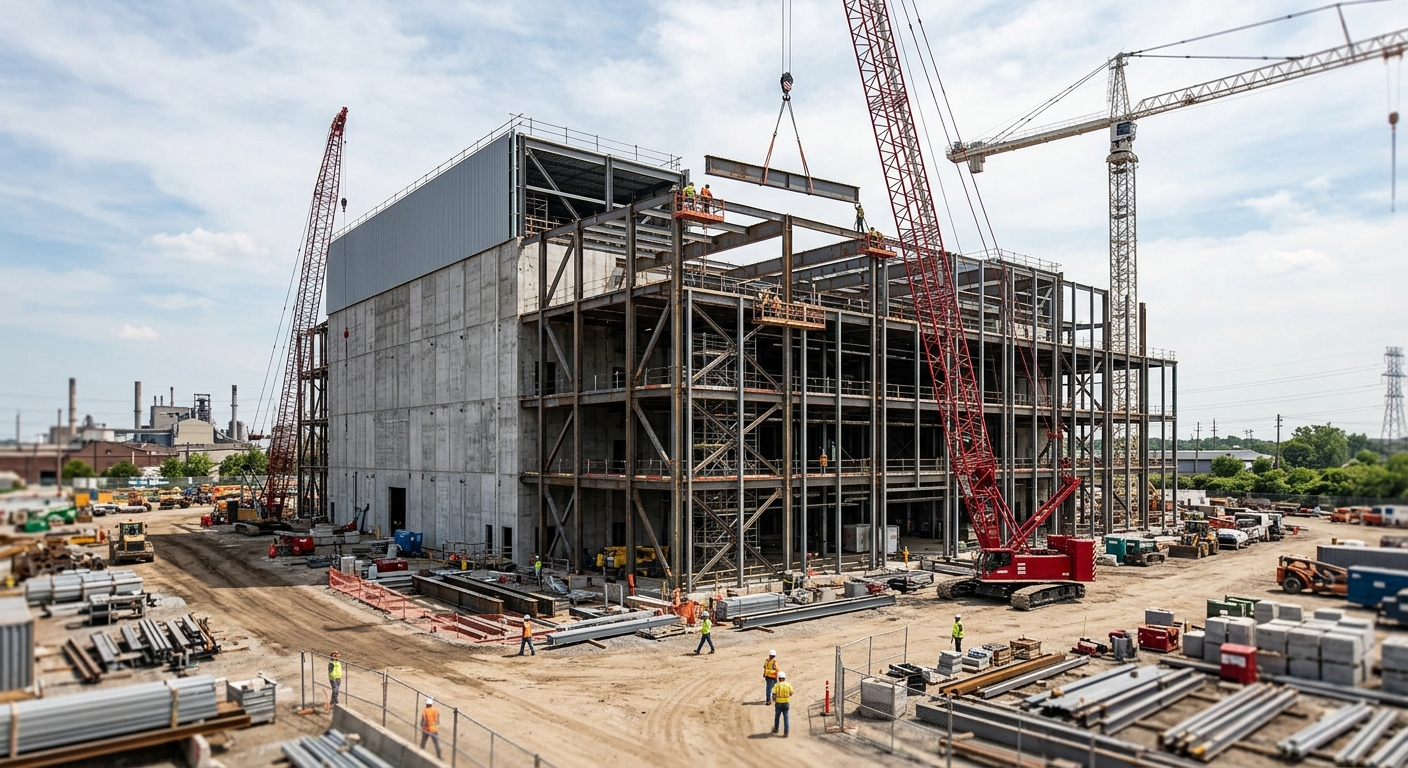
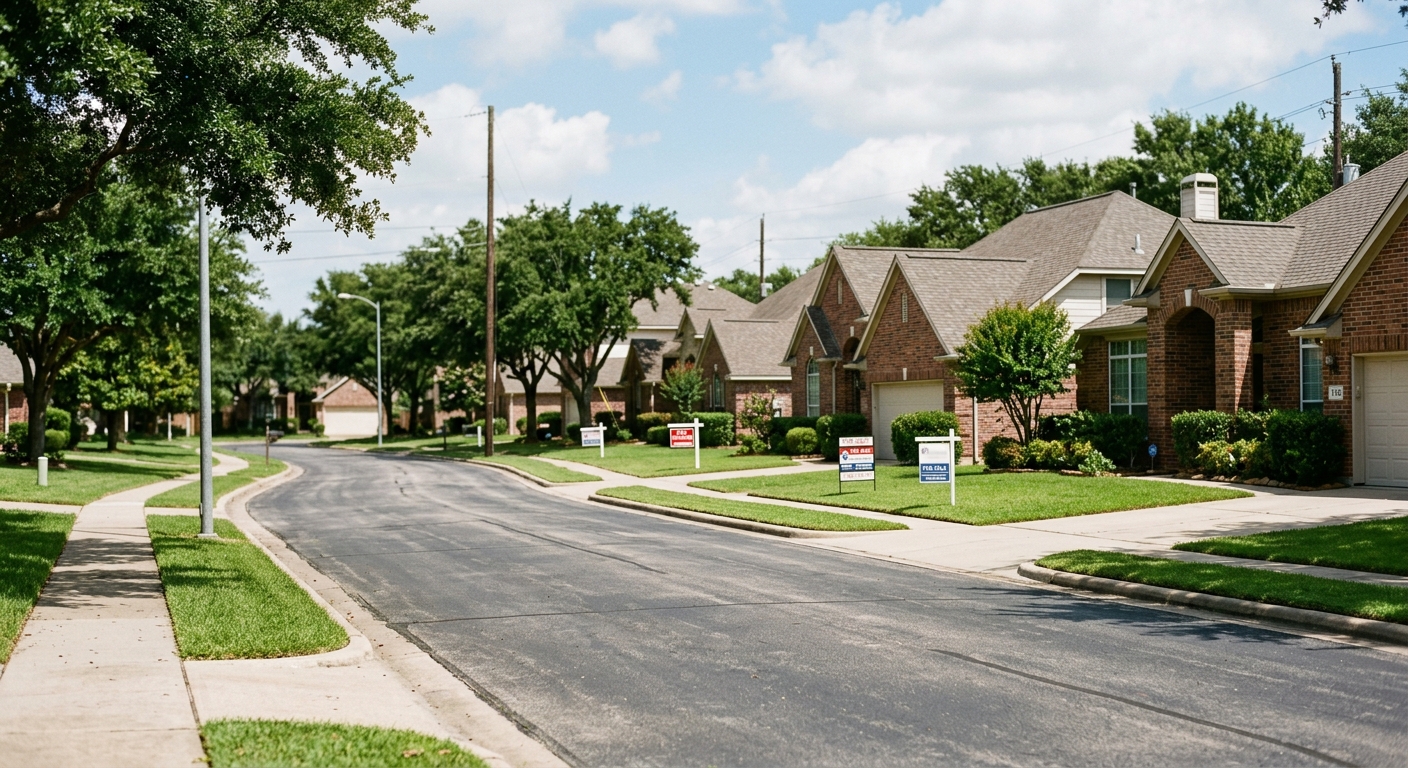
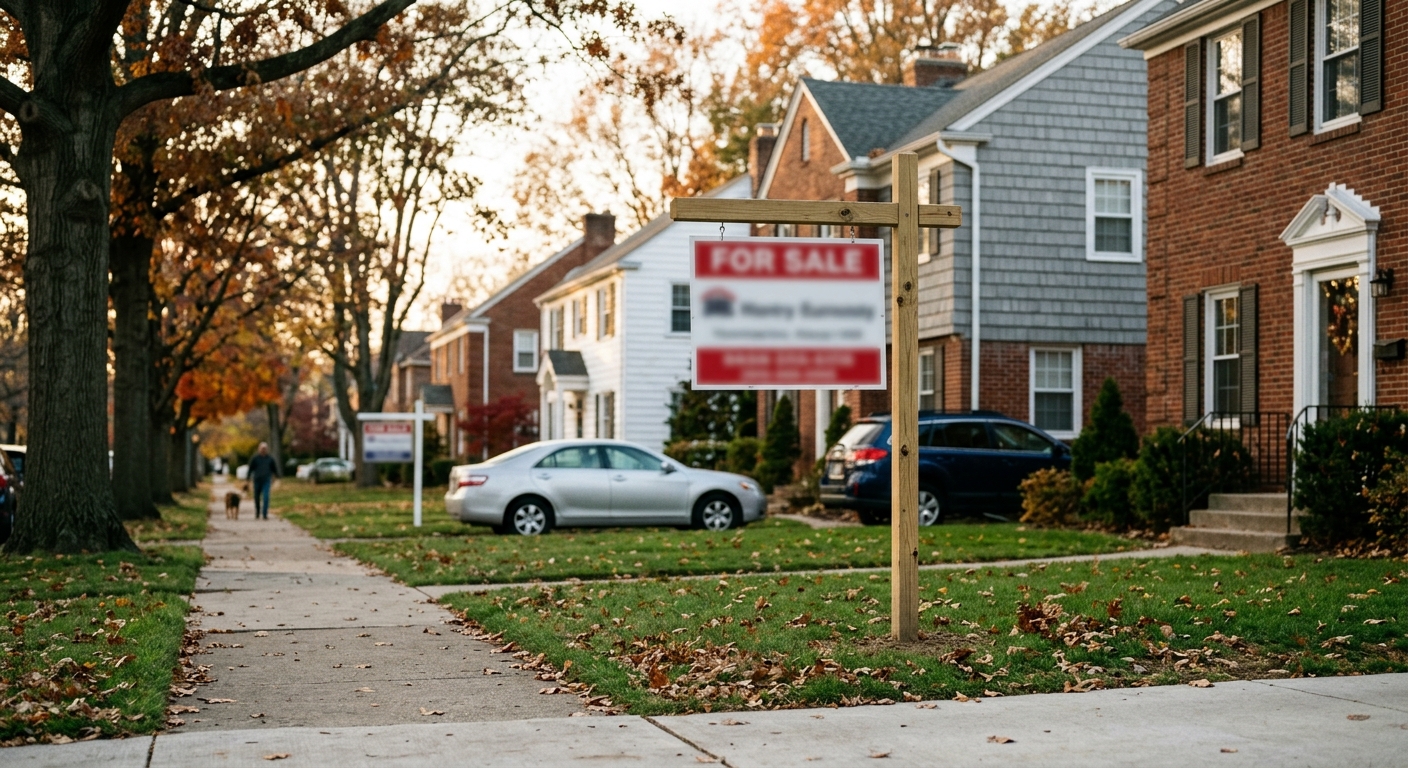
Spec homes are move-in-ready or nearly finished builder homes. Here’s why builders may discount completed inventory.
The latest real estate news, market data, and expert insight from RealtyWire.
Spec homes are move-in-ready or nearly finished builder homes. Here’s why builders may discount completed inventory.
New-home supply and resale supply are sending different signals in 2026. Here’s why buyers see two different housing markets.
Housing starts fell in May 2026. Here’s why construction pullbacks matter for future housing supply, buyers, builders and prices.
Builder incentives can lower costs, but buyers need to compare rate buydowns, closing credits, upgrades and total price carefully.
New construction may offer incentives, while existing homes may offer better locations. Here’s how buyers should compare both in 2026.
Real estate contingencies can protect buyers, but they also affect offer strength. Learn inspection, financing and appraisal clauses.
Earnest money shows sellers a buyer is serious, but buyers can risk losing it if they miss deadlines or break contract terms.
Closing costs can surprise buyers and sellers. Learn what closing costs include, who pays them and how to review them.
An appraisal gap happens when the appraised value is lower than the purchase price. Here’s what buyers and sellers should know.
A practical home inspection checklist for 2026 buyers, including roof, foundation, HVAC, plumbing, electrical and safety issues.
Rent vs. buy calculators can help, but many miss taxes, insurance, repairs, time horizon and selling costs.
Buying vs. renting in 2026 depends on location, time horizon, mortgage rates, rent levels and ownership costs.
How much are buyers putting down in 2026? Down payments fell to a four-year low, but cash still matters.
A practical first-time homebuyer checklist for 2026, from budgeting and preapproval to inspections, insurance and closing.
What should sellers fix before listing? Focus on repairs, cleaning, curb appeal and buyer confidence before expensive remodels.
Why do homes sit on the market? These seven factors often explain stale listings, from pricing to repairs and weak buyer demand.
Seller concessions and price cuts solve different problems. Here’s when each strategy may help sellers attract buyers in 2026.
Pricing a home in a slower market takes more than comps. Learn how sellers should use inventory, buyer feedback and concessions.
Contract cancellations remain elevated in 2026 as buyers face affordability, inspection and financing concerns.
Pending home sales rose in May 2026, but contract activity is only one signal. Here’s what buyers, sellers and agents should watch.
Mortgage points can lower your interest rate, but they only make sense if the upfront cost is worth the monthly savings.
A rate buydown and a price cut help buyers in different ways. Here’s how to compare monthly savings, cash to close and long-term value.
AI tools can create fair housing violations in seconds. What agents, brokers and landlords should watch in 2026.
AI is entering real estate workflows fast. Which tools actually save agents and brokers time — and which are mostly hype.
Home price cuts remain common in 2026, but they do not always mean distress. Here’s what buyers and sellers should watch.
Office-to-residential conversions work only when floor plates, prices and zoning align. Where adaptive reuse actually pencils.
Mixed-use development is more than apartments over retail. Why live-work-play projects still attract developers in 2026.
Big-box industrial leasing rebounded in 2026, but new supply and tariff uncertainty keep the sector from overheating.
Housing inventory is rising, but that does not automatically mean home prices will fall. Here’s what buyers and sellers should watch.
Is 2026 a buyer’s market? Learn how inventory, price cuts, concessions and days on market show who has leverage.
Get expert insights, market updates, and new opportunities delivered to your inbox.