Remodeling Demand Holds Up Even as Material Costs Jump 6.7%
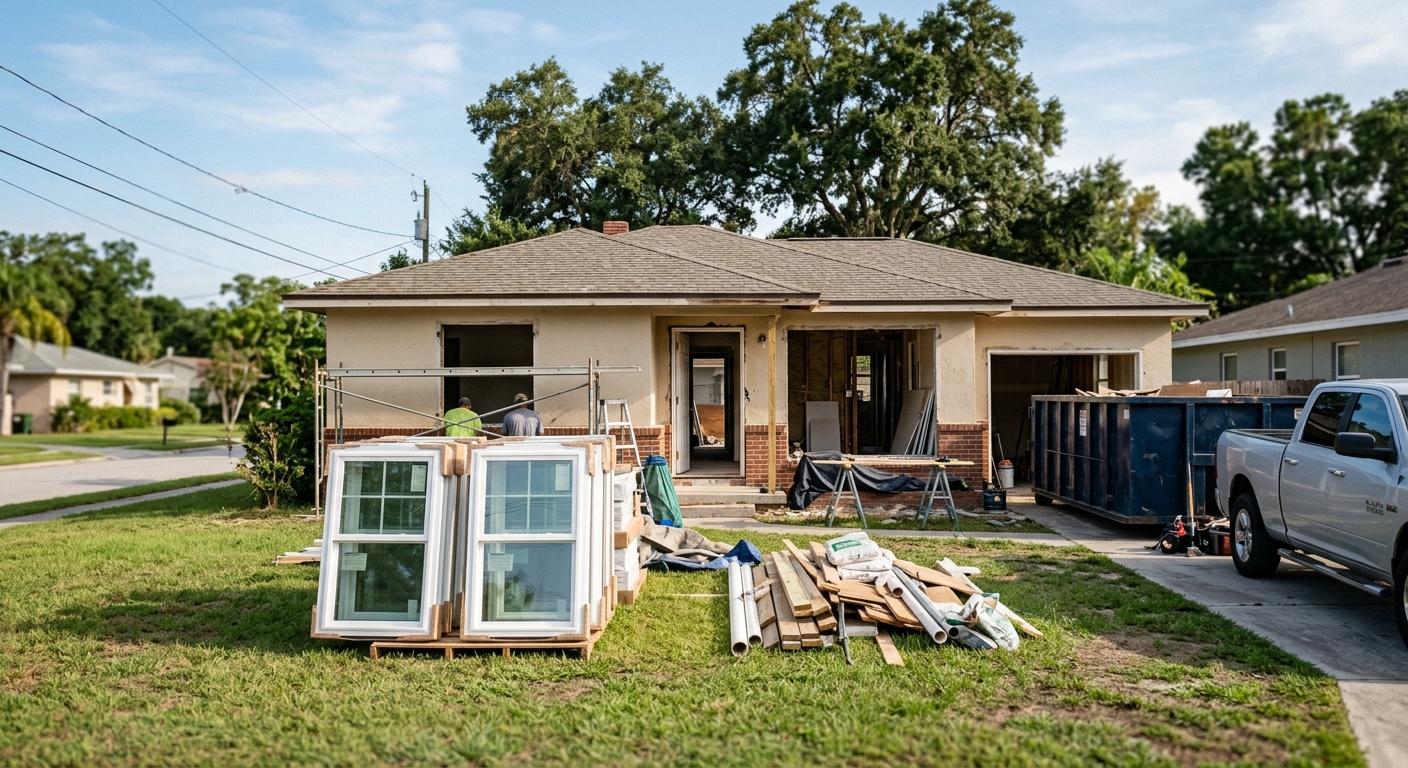
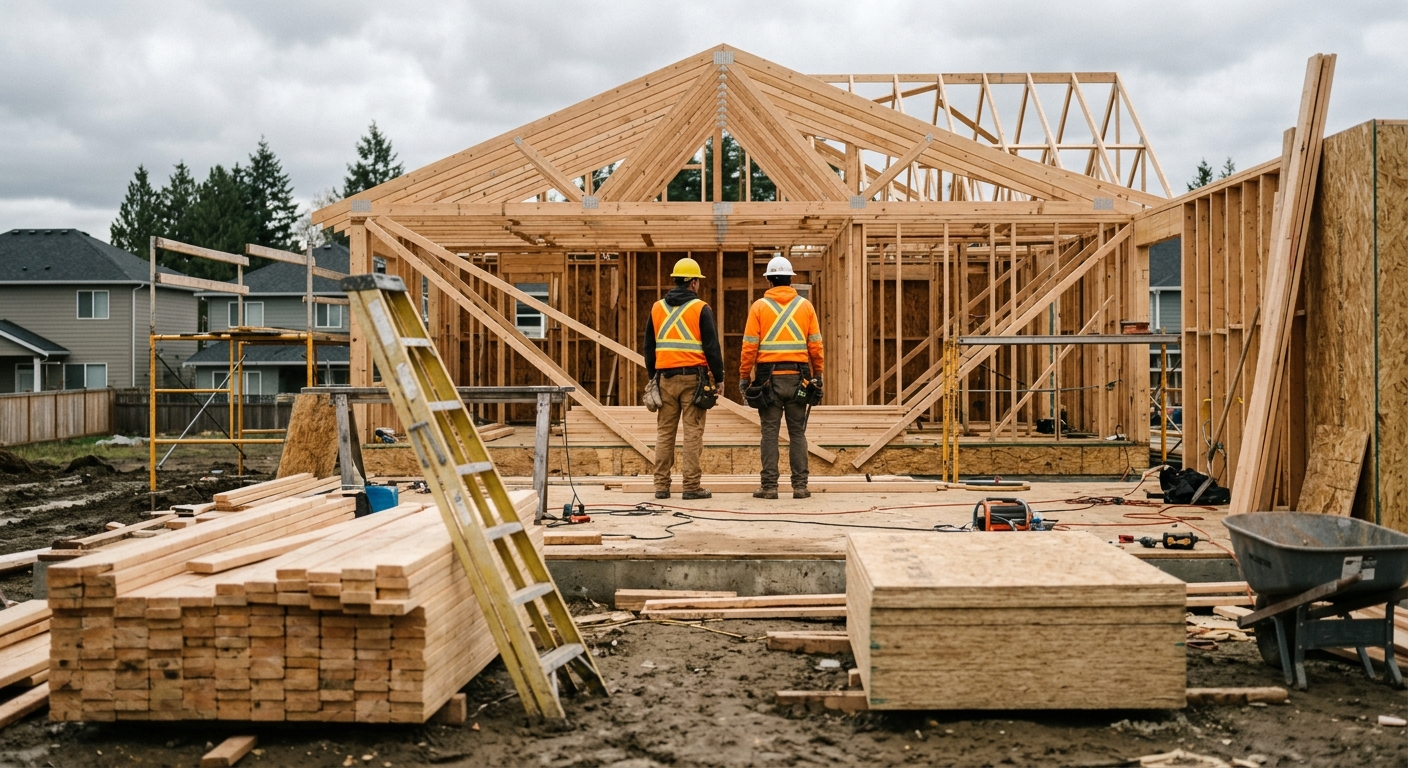
The Remodeling Market Index held at 61 in Q2 as 74% of remodelers reported material price hikes averaging 6.7% β the rate-lock economy at work.
The latest real estate news, market data, and expert insight from RealtyWire.
The Remodeling Market Index held at 61 in Q2 as 74% of remodelers reported material price hikes averaging 6.7% β the rate-lock economy at work.
Zillow: June sales jumped 9.2% from May while inventory grew just 0.9% annually β a two-year low. The buyer-friendly window is quietly narrowing.
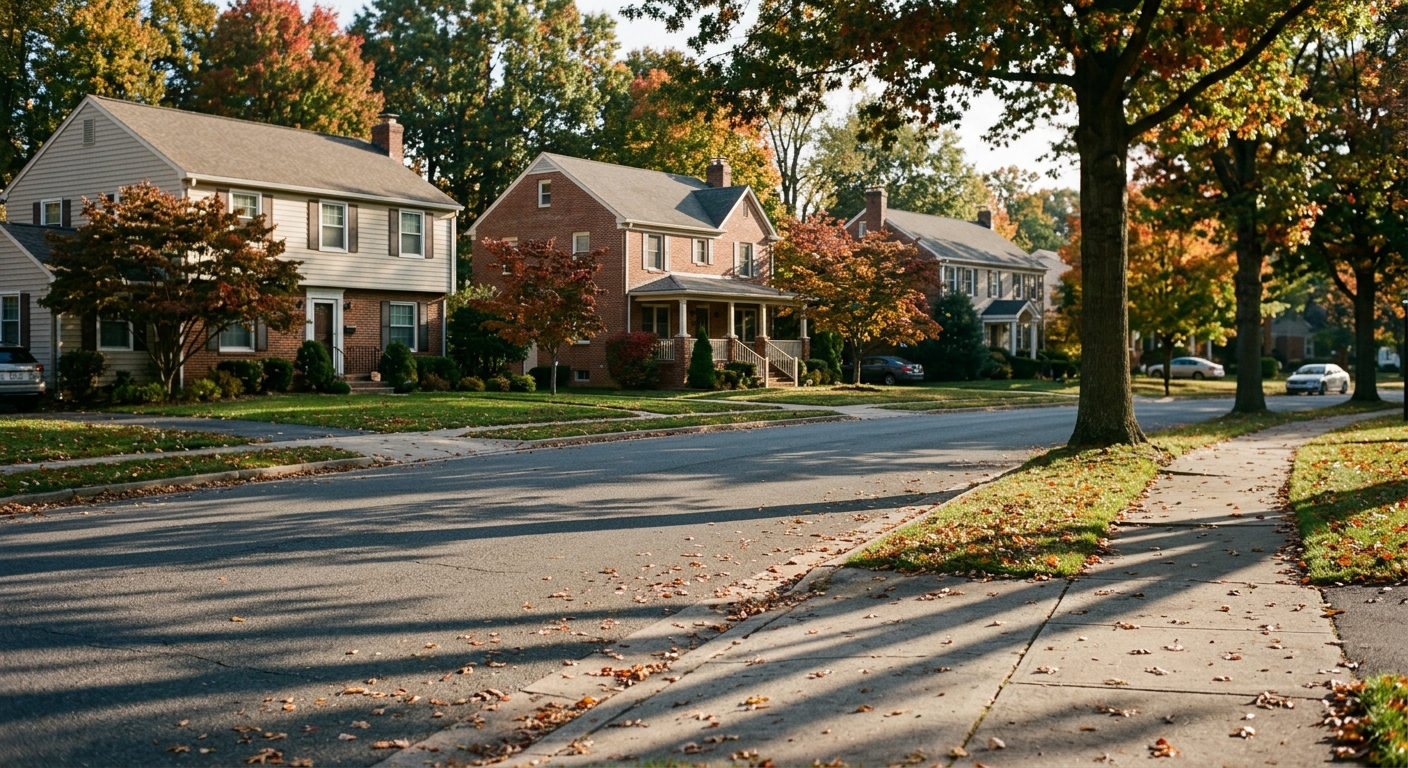
Bright MLS: June sales rose 7.3% as the Mid-Atlantic median hit a record $460,000 β with higher-income buyers doing the driving.
Wire fraud can drain closing funds in minutes. A verification checklist for buyers, sellers and agents before any money moves.
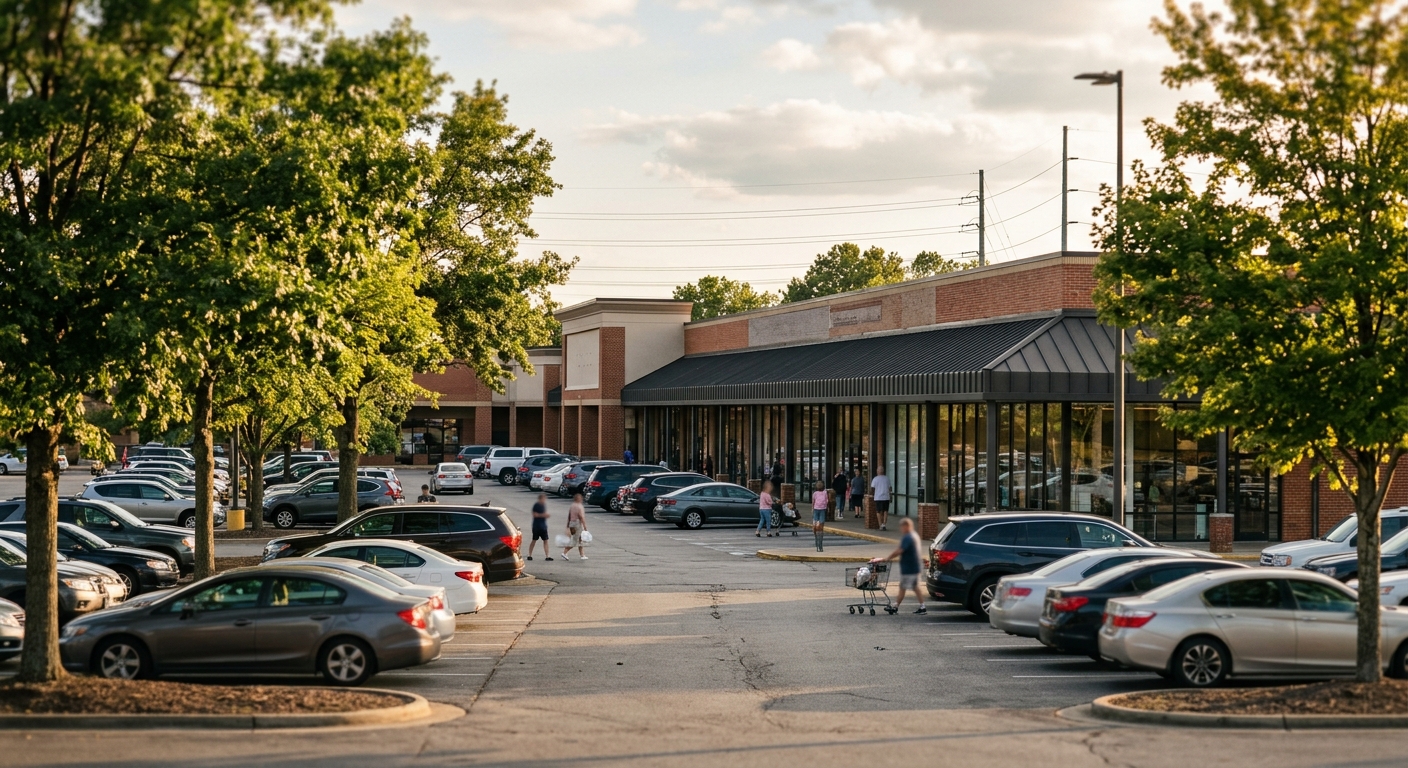
Grocery-anchored retail centers keep drawing investors: necessity traffic, steady tenants and limited new supply support returns.
Retail real estate is tight in 2026. Years of low construction are giving landlords pricing power in well-located centers.
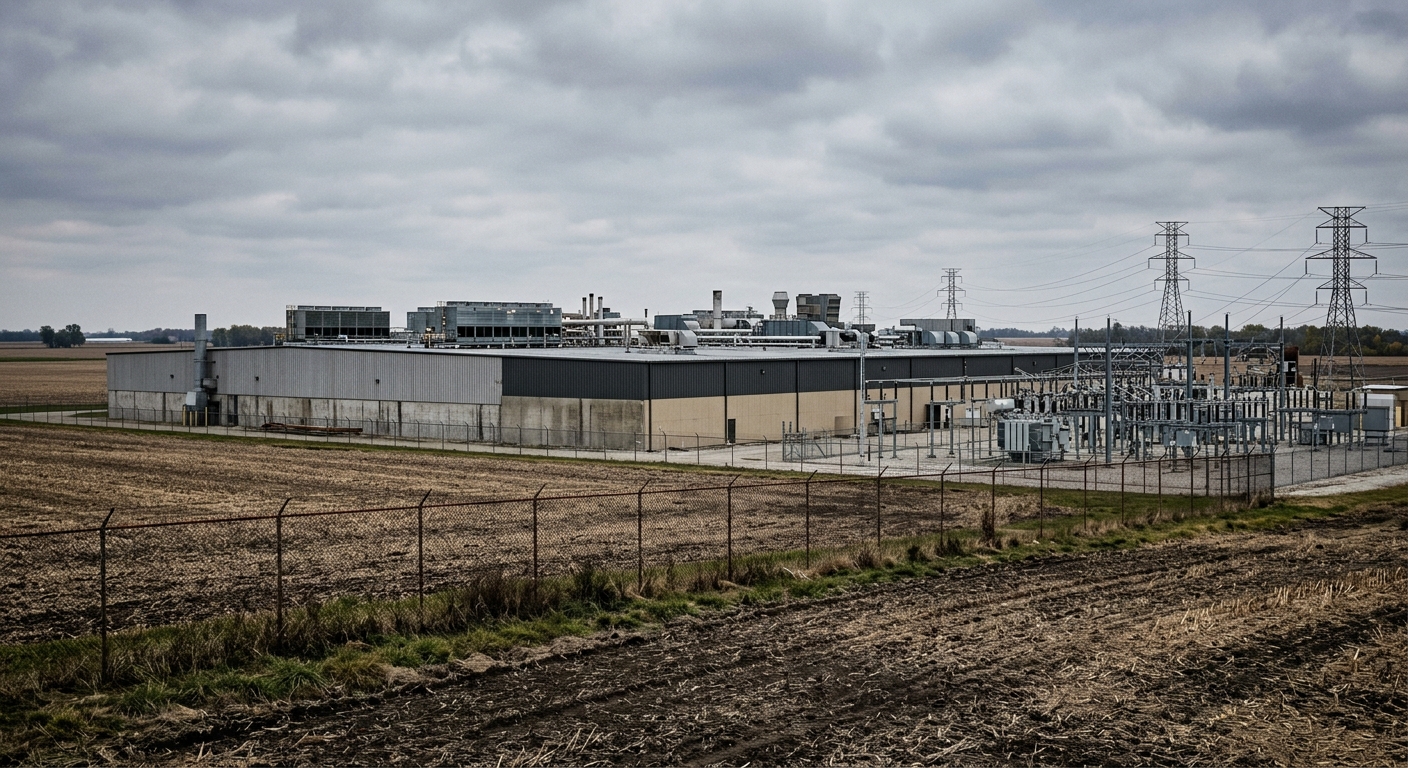
Data centers are reshaping industrial land markets in 2026, with power availability now driving site selection more than fiber.
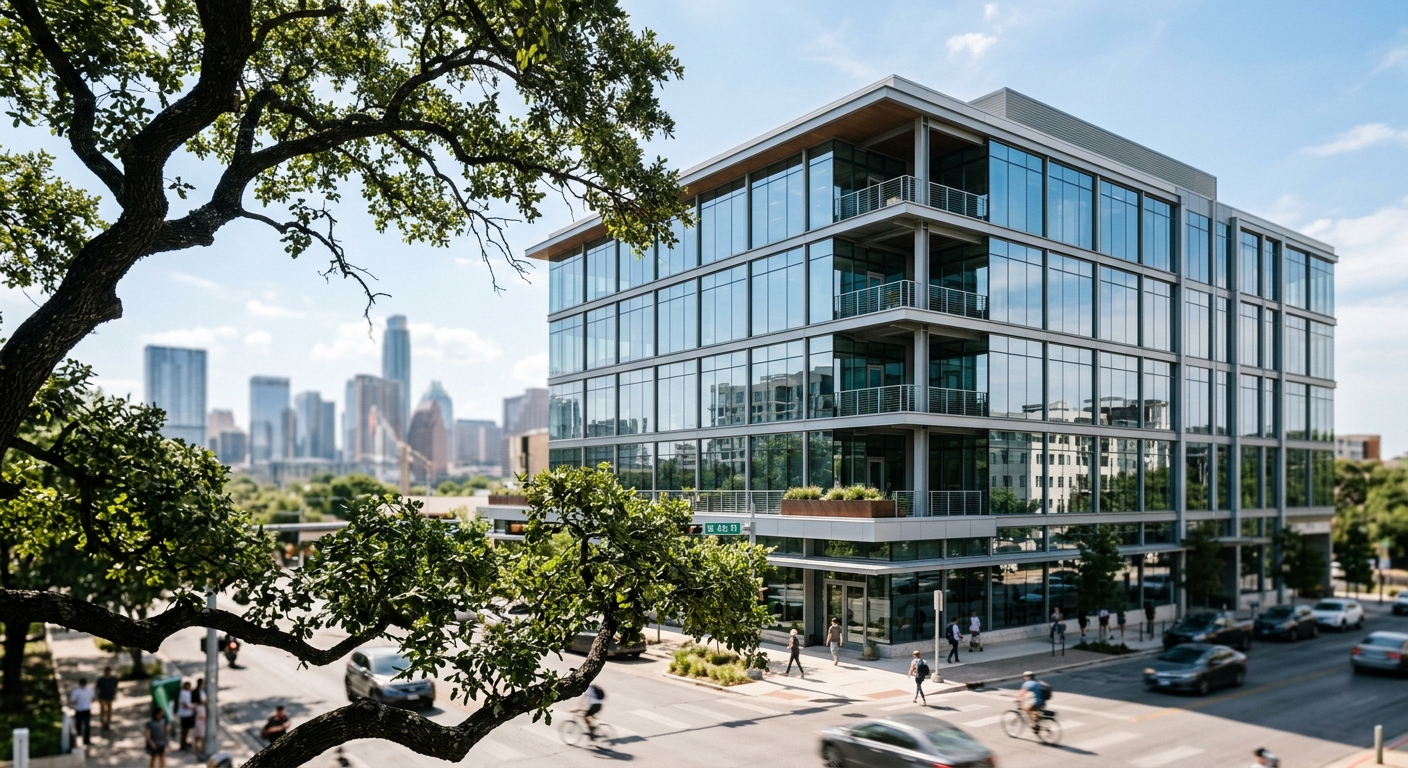
Office vacancy does not tell one story. Location, amenities and debt decide which buildings recover and which stay empty.
A wall of commercial mortgage maturities hits in 2026. Why refinancing math, not property performance, is the real risk.
Multifamily vacancy shows how much rental supply sits empty β and shapes rent growth, concessions and negotiating power.
Apartment completions are slowing after a record supply wave. What a multifamily construction pullback could mean for rents.
A lease renewal is a negotiation, not paperwork. How renters can use market data and concessions before signing in 2026.
Apartment rents and single-family rents are diverging in 2026 as new multifamily supply cools one market but not the other.
Free rent, waived fees and other apartment concessions are common in 2026. How renters can negotiate a better deal.
Single-family rents are still rising faster than apartment rents in 2026. New rental supply explains most of the gap.
Build-to-rent communities offer single-family space without a mortgage. Why developers are betting on long-term renters.
Short-term rental rules can make or break an Airbnb investment. What to check with cities, HOAs and condo boards before buying.
Rental yield compares a property’s annual rent to its price. How investors calculate it β and the costs that skew it.
A 1031 exchange lets investors defer taxes when swapping investment properties, but the IRS deadlines and rules are strict.
Cap rates measure a property’s income against its value. How investors use them to compare deals β and where they mislead.
Investor home purchases fell to their lowest level since 2020, Redfin data shows. Is the pullback ending or deepening?
Distressed properties promise discounts but carry title, repair and timeline risks buyers should understand first.
Short sales and foreclosures both involve mortgage distress, but the process, credit impact and buyer risks differ sharply.
Pre-foreclosure is the window before a foreclosure sale when homeowners still have options β and buyers face real risks.
Foreclosure filings rose 14% year over year in May, ATTOM reports. Where distress is building fastest β and why it’s not 2008.
Home maintenance can run 1% to 4% of a home’s value each year. What new owners should budget for repairs and replacements.
A condo special assessment can add thousands to ownership costs. What buyers and sellers should check before closing.
HOA fees fund shared amenities and maintenance, but rules, reserves and special assessments deserve review before closing.
An escrow shortage can raise your mortgage payment even with a fixed rate. Why tax and insurance increases flow through escrow.
Property taxes are squeezing homeowners hardest in 2026 where assessments lag prices. Where bills are rising the most.