Week in Housing: Oct. 30
The Fed held with two votes for a hike, the economy grew 3.4%, mortgage rates eased to 7.24%, and lenders from Fannie Mae to Arbor showed rising credit strain.

Housing market news and data for 2026: home prices, inventory, days on market, and buyer demand — plus what the latest trends mean for buyers and sellers.
The Fed held with two votes for a hike, the economy grew 3.4%, mortgage rates eased to 7.24%, and lenders from Fannie Mae to Arbor showed rising credit strain.
C.A.R.’s third-quarter index shows a California buyer still needs $228,000 a year for a $894,630 median-priced home, more than twice the U.S. income bar.
The single-family landlord says its stock implies about $280,000 per home while its sales average about $460,000, so it keeps selling houses, mostly to owner-occupants, to buy back shares.
The median sale price fell 0.1% year over year to $389,601 in the four weeks ending Oct. 25, Redfin said, while pending sales sank to the lowest level in its records.
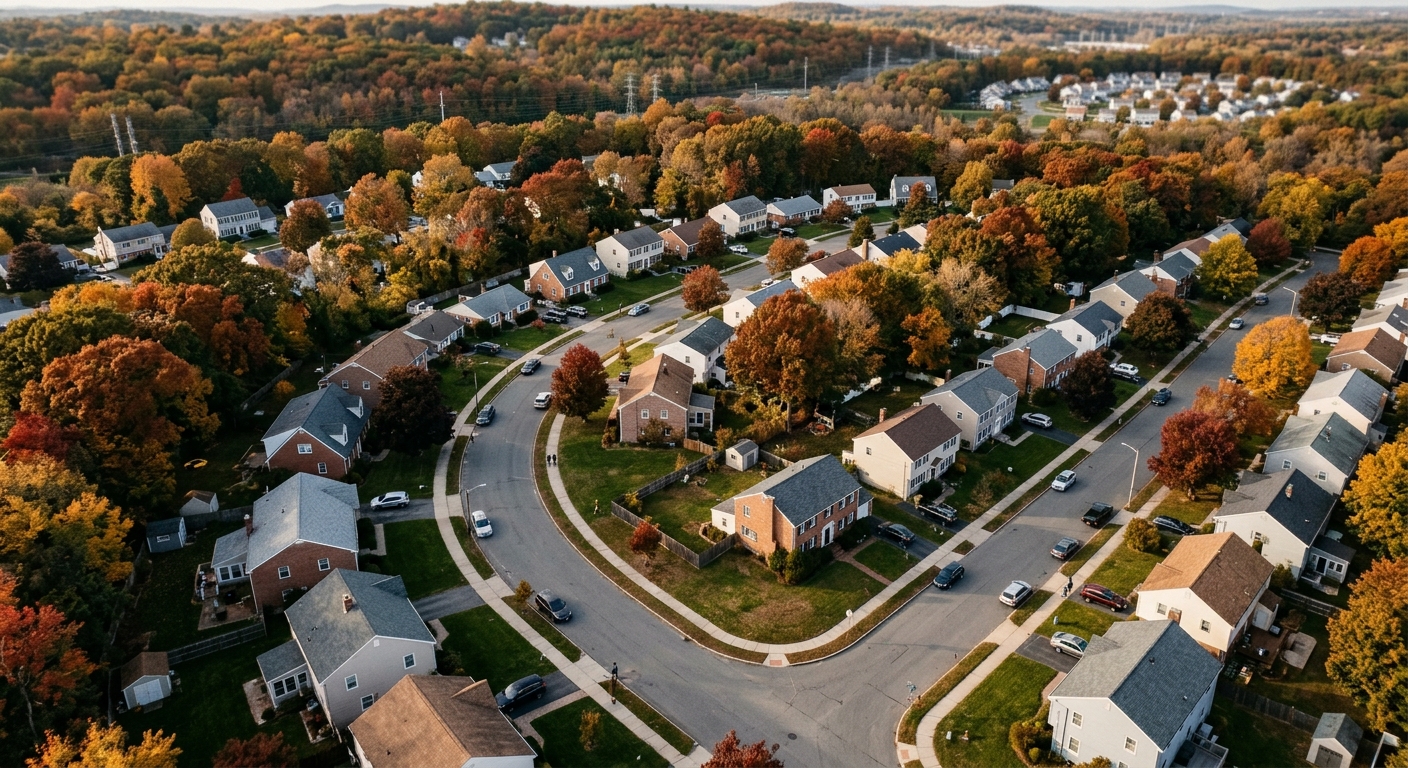
NAR says existing-home prices rose in 78% of metros in Q3 2026, down from 80%, as the national median rose 1.7% to $432,900, the West slipped 0.6% and 21% of markets saw declines.
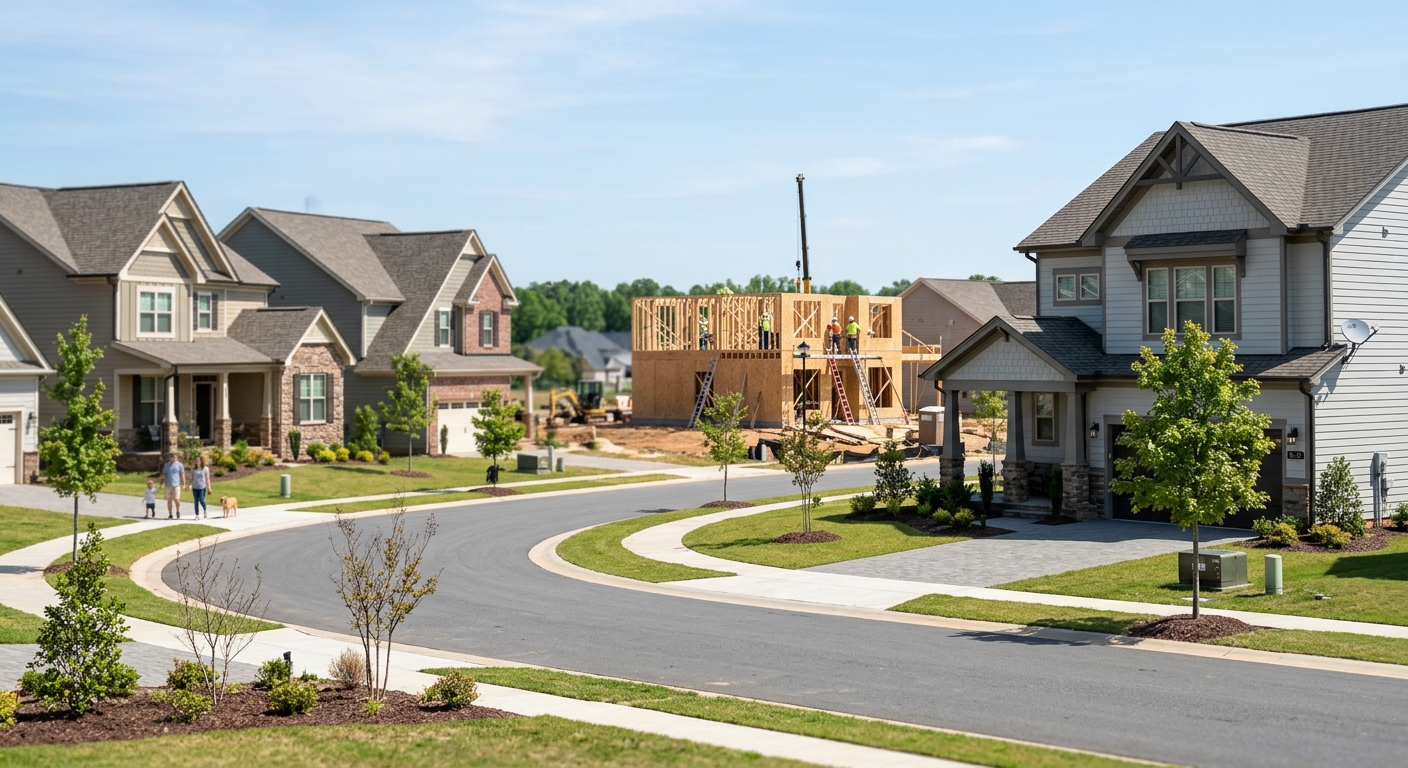
D.R. Horton forecast $30 billion to $32 billion in fiscal 2027 revenue and 79,000 to 84,000 closings, below fiscal 2026, as Q4 orders fell 7% and it said incentives will stay elevated.
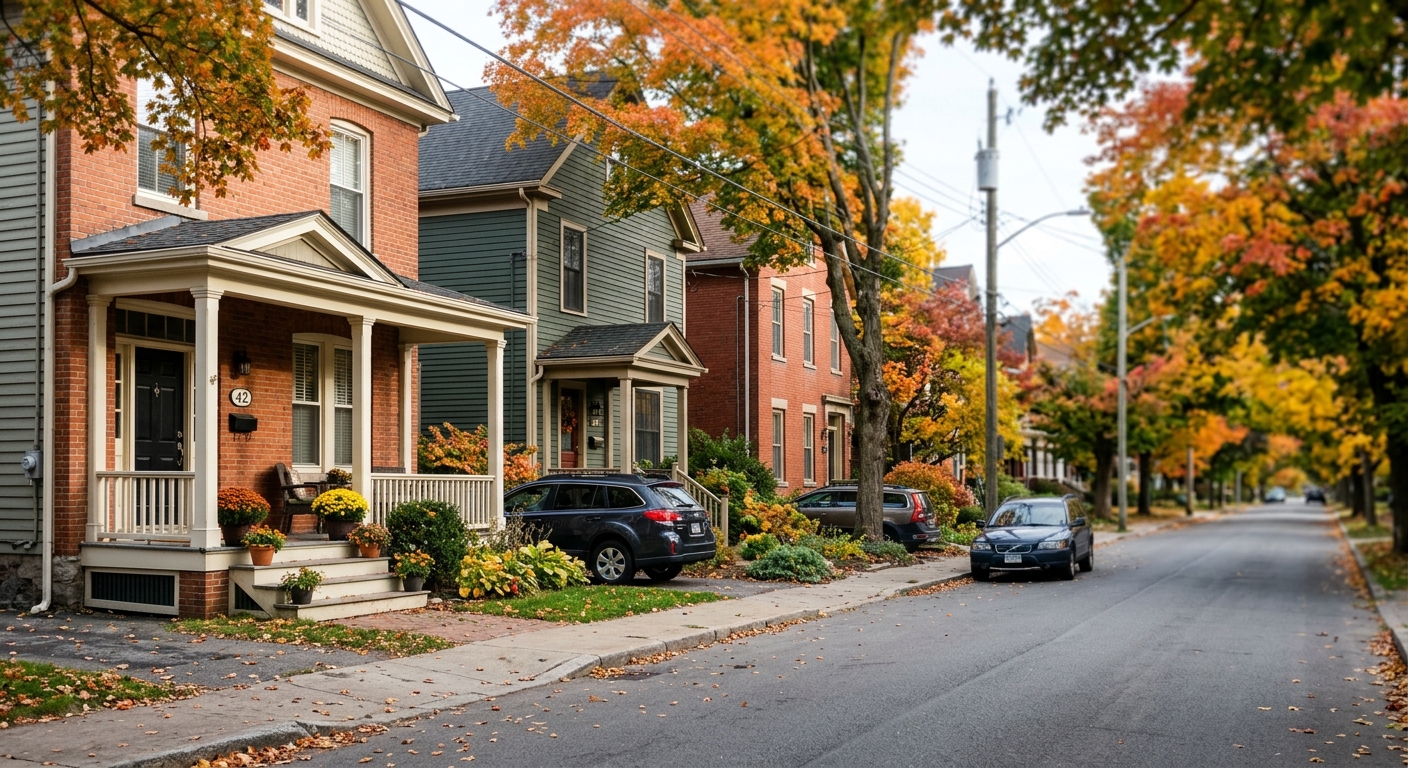
The Case-Shiller national index rose 2.1% year over year in August but fell 0.2% from July, with only Miami and Chicago posting monthly gains; FHFA’s index rose 2.4% annually.
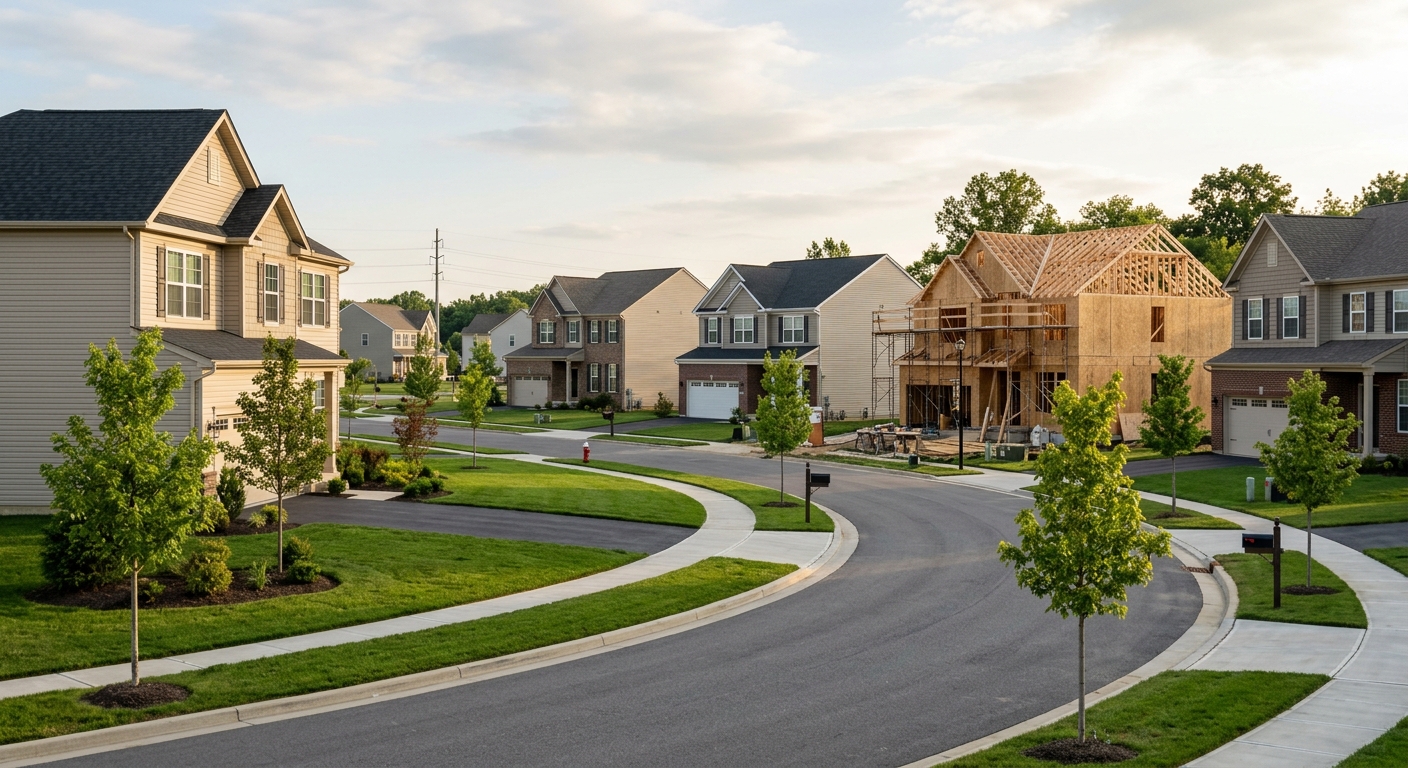
Census data show new-home sales ran at a 676,000 annual rate in September, nearly flat with August, as the average price fell 6.7% year over year and finished inventory shrank.
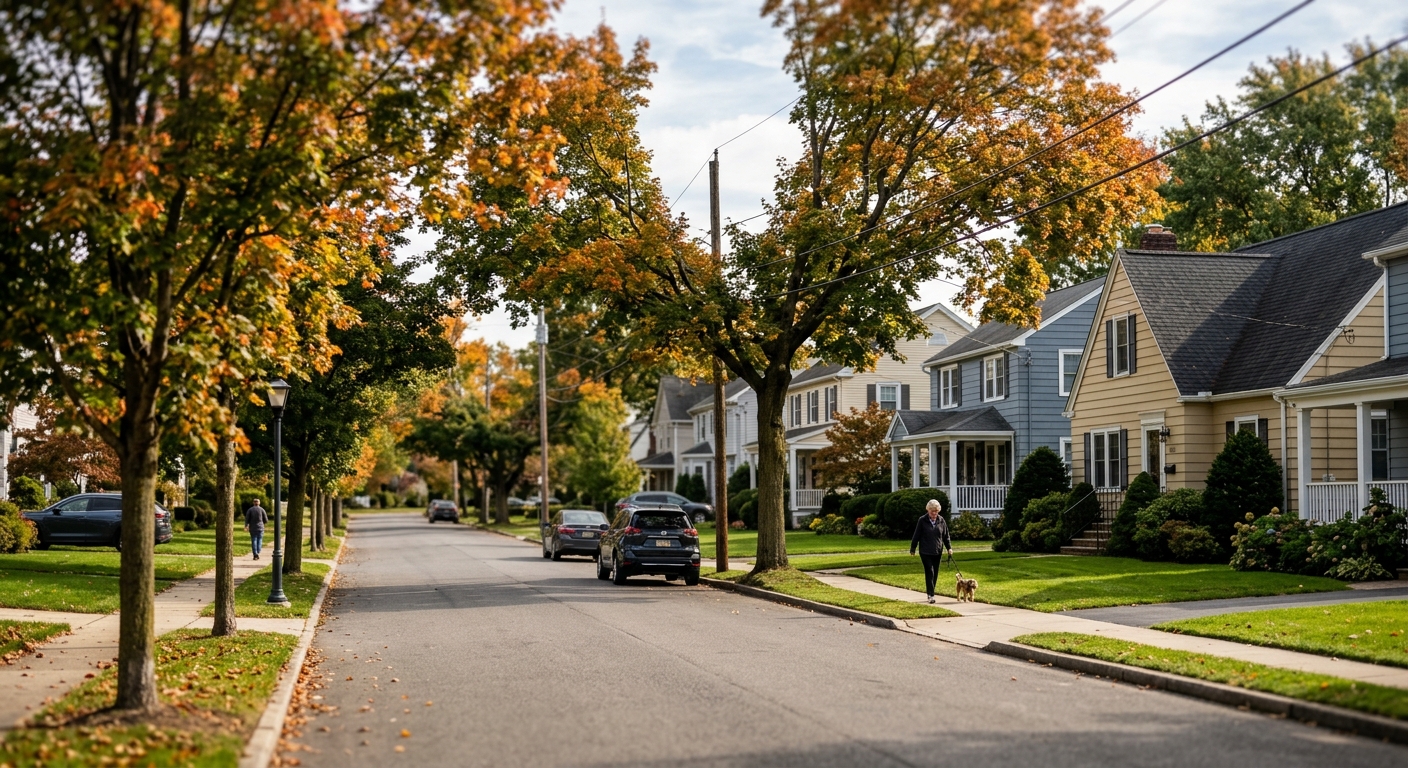
First American’s September index shows national prices flat for the month and up 1.2% from a year earlier, with Texas metros falling while Chicago and New York gain about 5%.
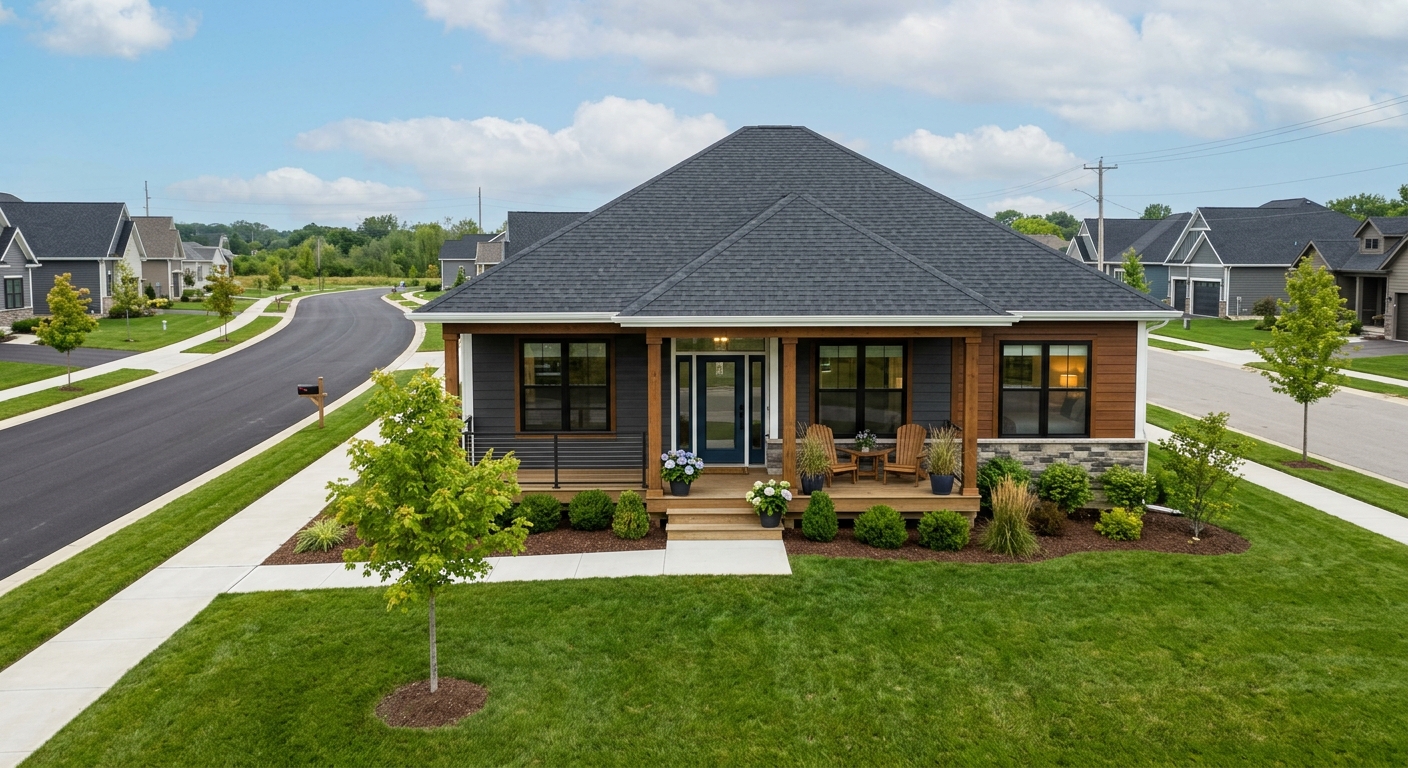
Federal law has dropped the chassis requirement for manufactured homes, but Realtor.com finds only about 17% of zoned land expressly allows manufactured home parks. Hartford, Denver and Allentown top its opportunity ranking.

The Federal Reserve’s Oct. 27-28 meeting falls between September new-home sales and the first estimate of third-quarter GDP, with D.R. Horton’s year-end results and UWM’s rights-offering pricing window also on the calendar.
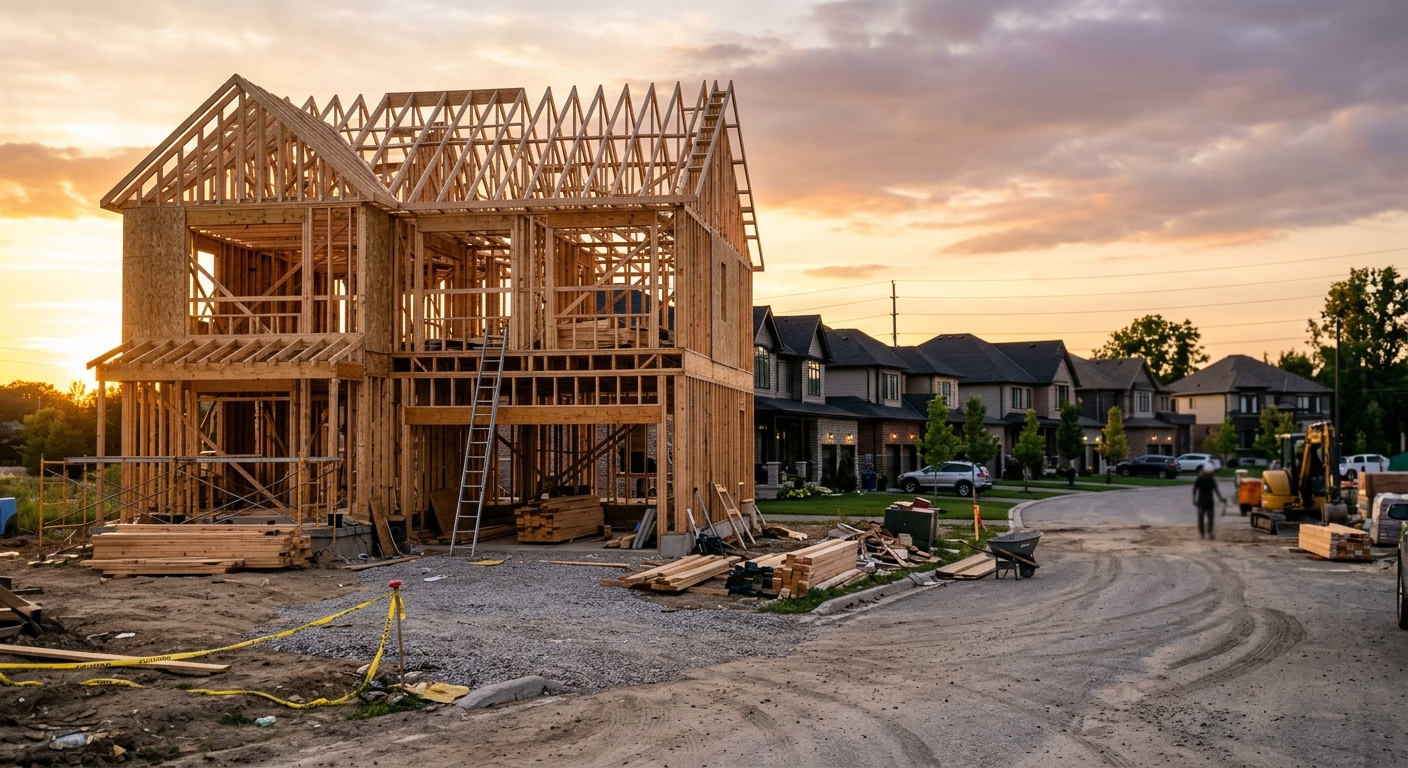
Builder confidence fell to its lowest since 2012, housing starts and pending sales dropped, mortgage rates eased slightly to 7.32%, and Washington moved on mortgage insurance and investor home-buying rules.
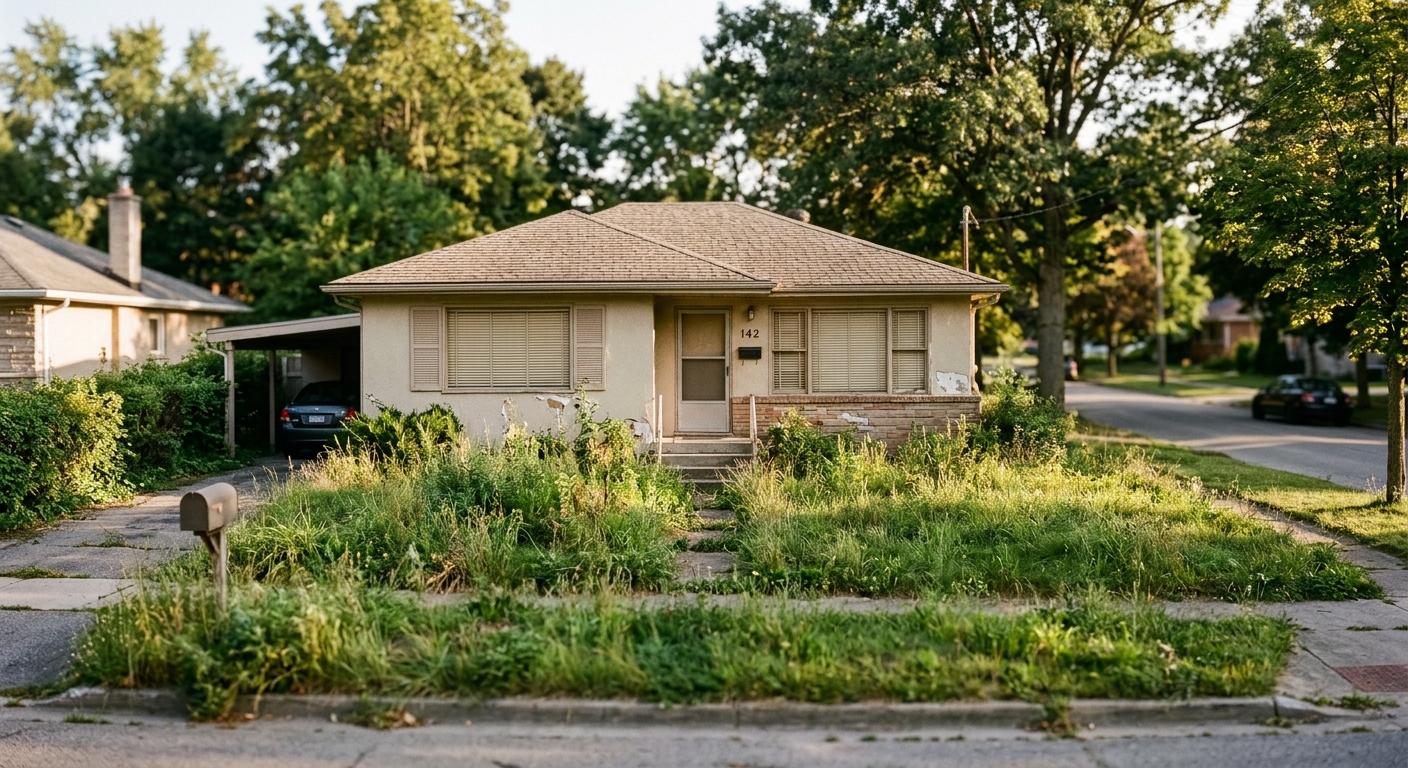
Auction.com’s Q3 2026 report shows completed foreclosure auctions at their highest since early 2020, with FHA-insured loans and mortgages originated since 2022 driving the increase and more auctions already scheduled for the fourth quarter.
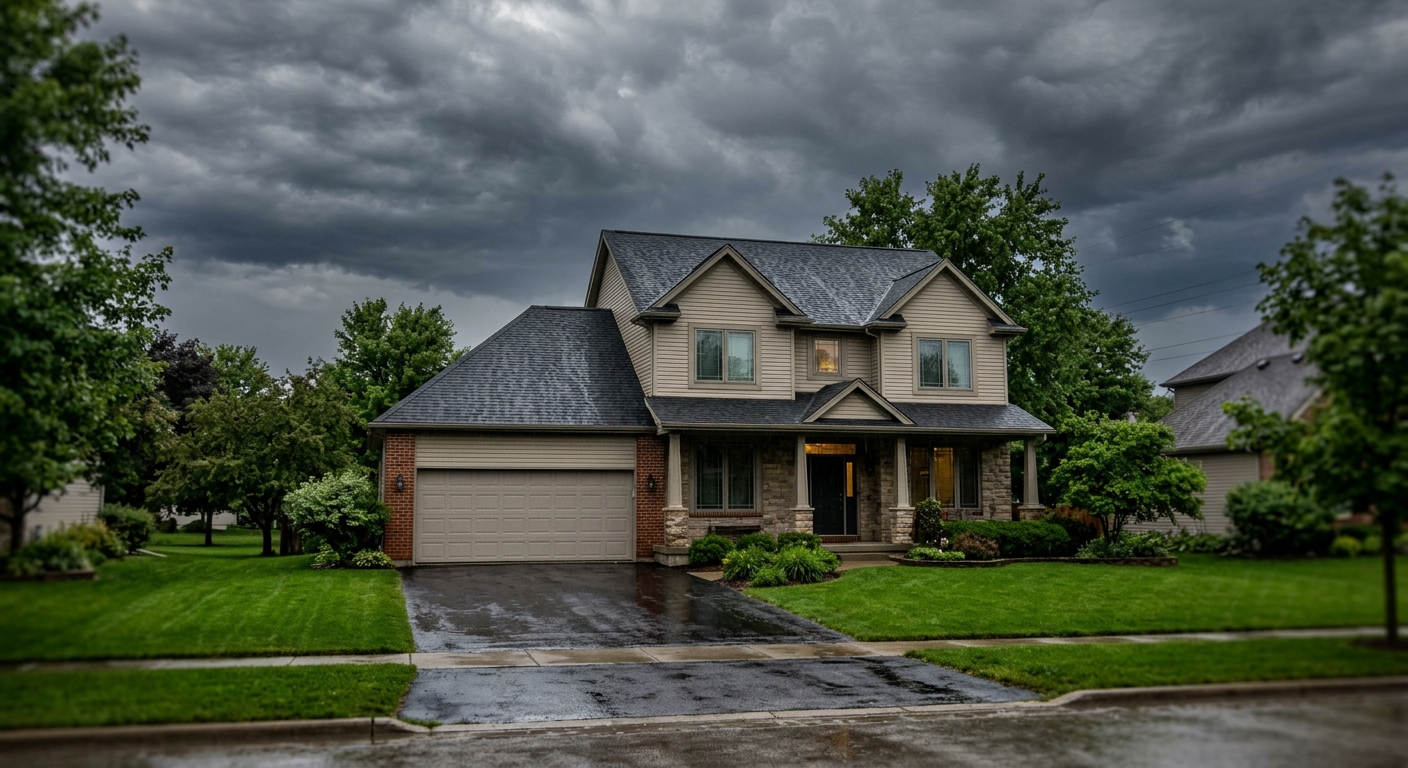
Zillow and Thumbtack put the typical homeowner’s maintenance, tax and insurance bill at $16,566 a year. Insurance rose 54% in five years, led by Dallas, Tampa and Denver.
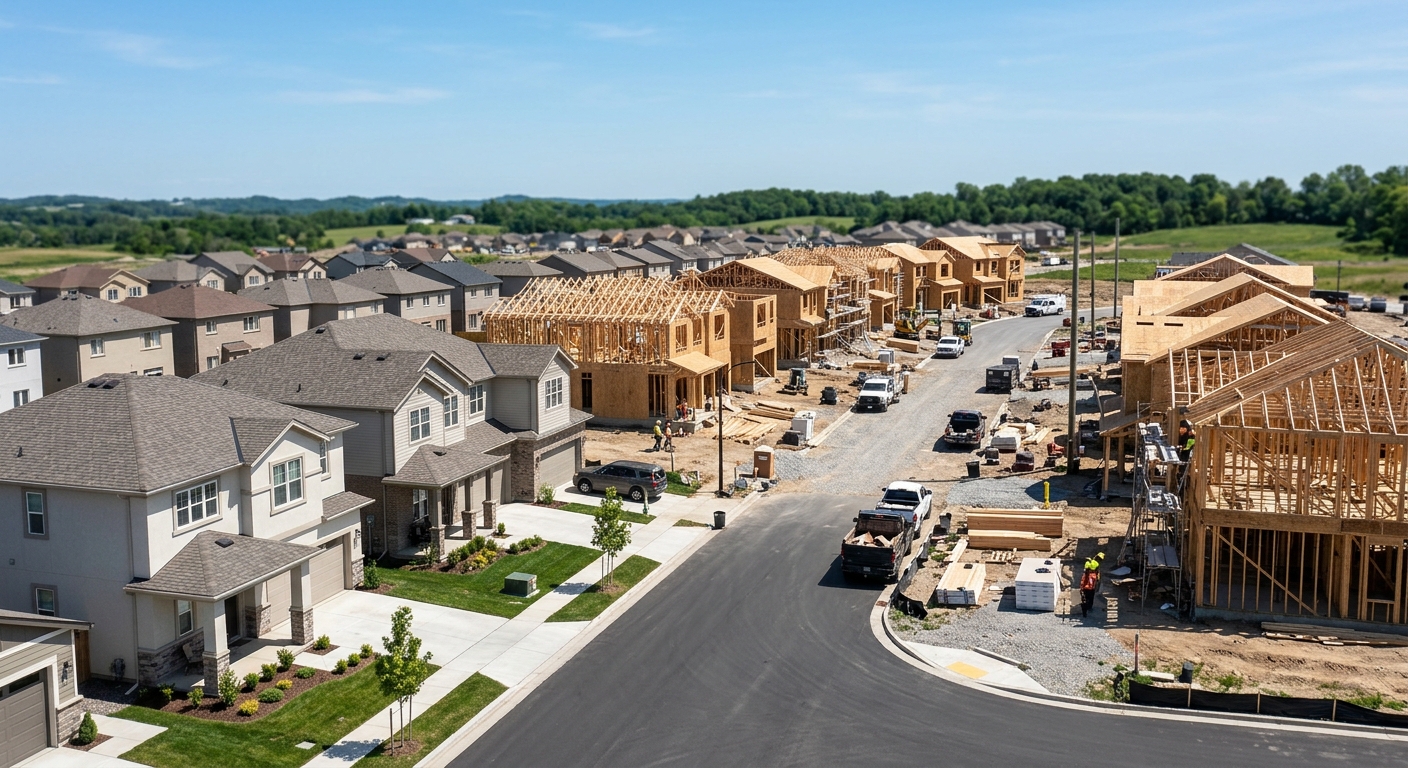
PulteGroup earned $476 million in the third quarter, down from $586 million, as orders fell 6%. Florida orders rose while the West and Southeast dropped about 15% or more.
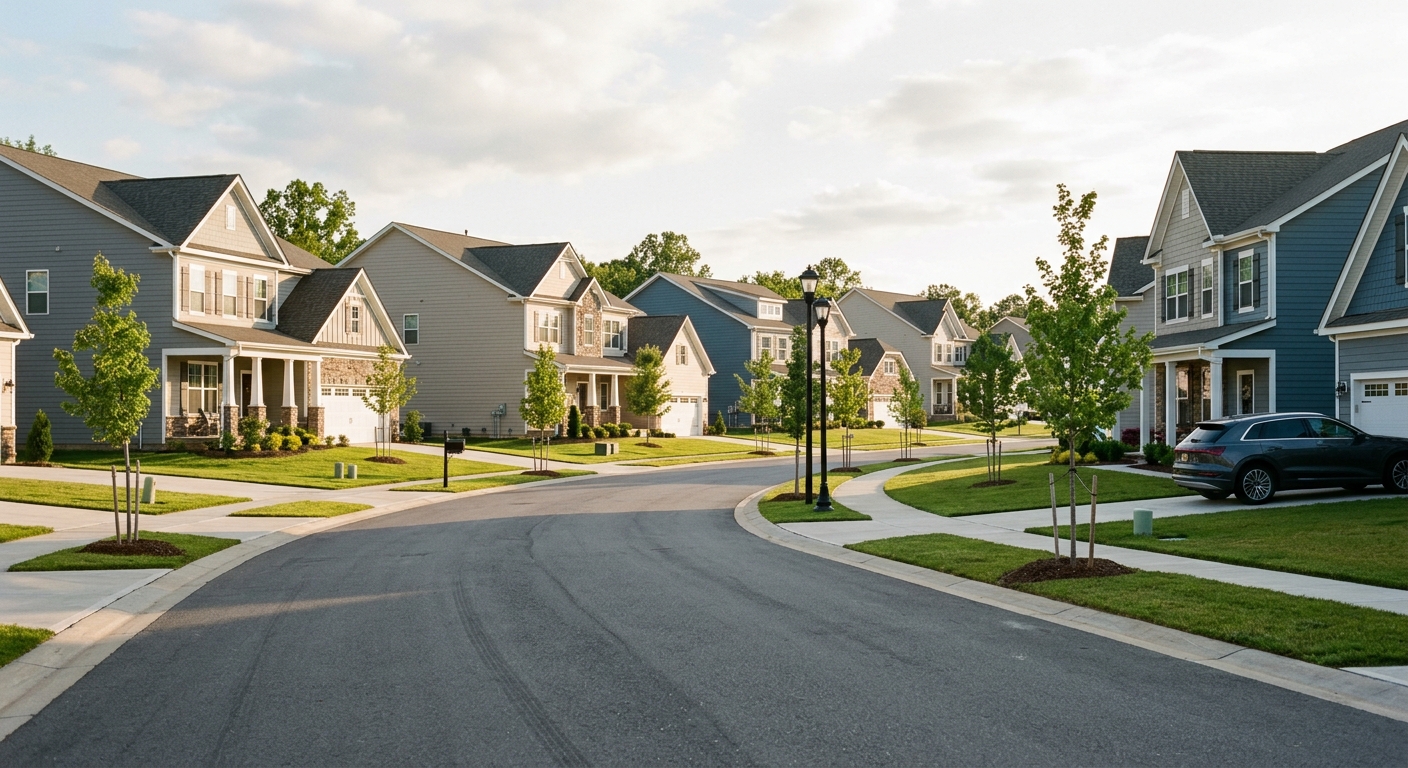
Treasury’s proposed rules for the ROAD to Housing Act’s ban on large institutional investor home purchases define build-to-rent, renovate-to-rent and rent-to-own exceptions ahead of the Jan. 7, 2027 start.
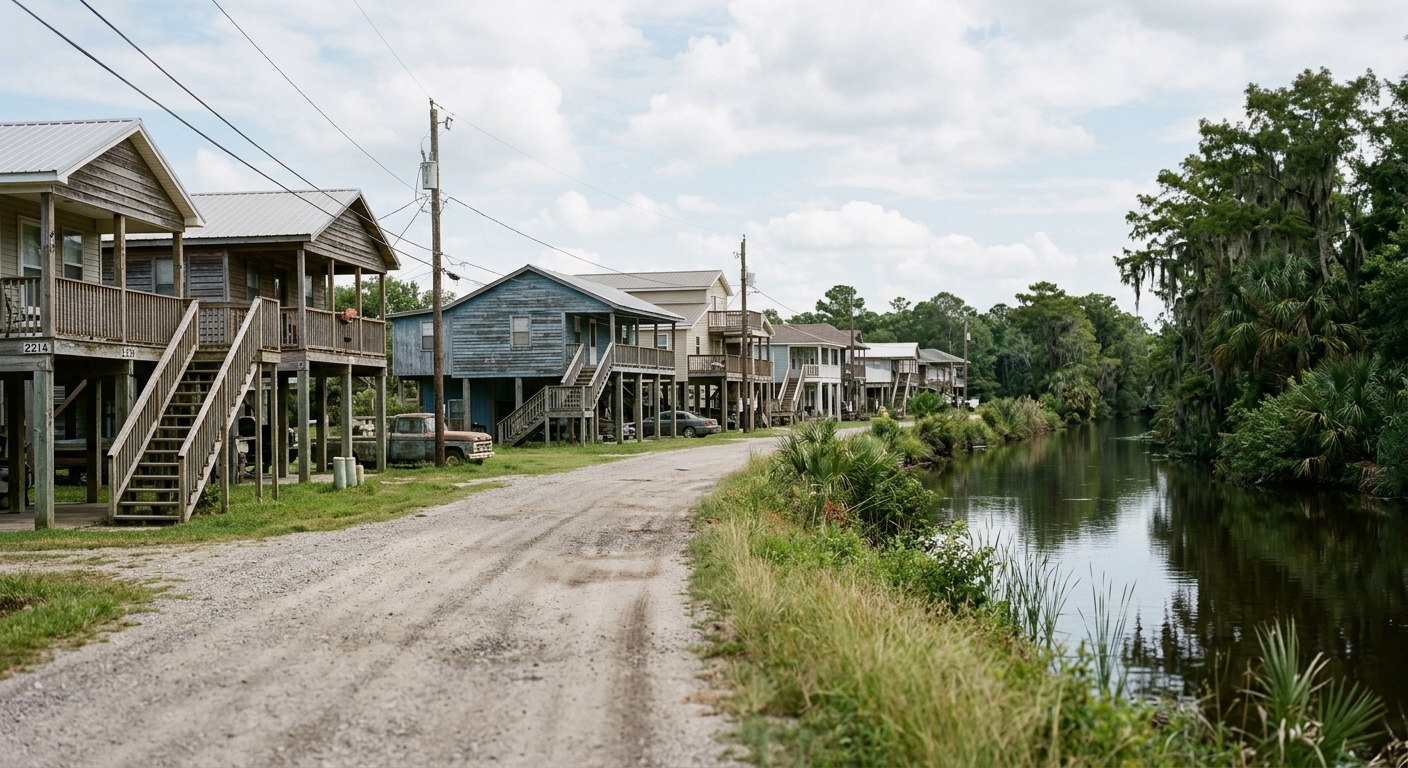
NFIP policies can now be bought entirely on Floodsmart.gov in nearly 22,700 participating communities, 18 months after FEMA launched a quote-only tool that sent buyers to carriers.
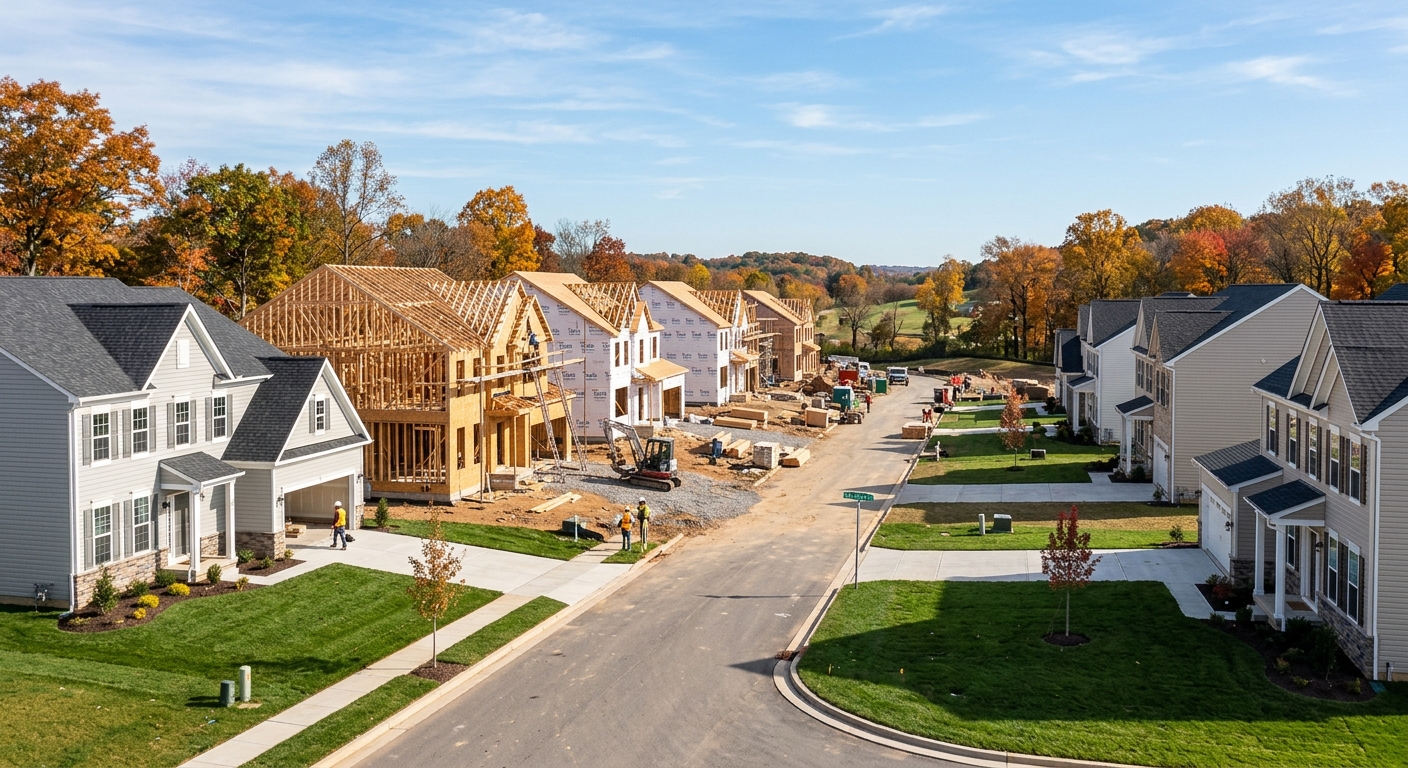
The Columbus, Ohio-based builder cited higher mortgage rates and weaker demand as third-quarter gross margin slipped to 20.9% and the average price in its Southern backlog fell to $501,000.
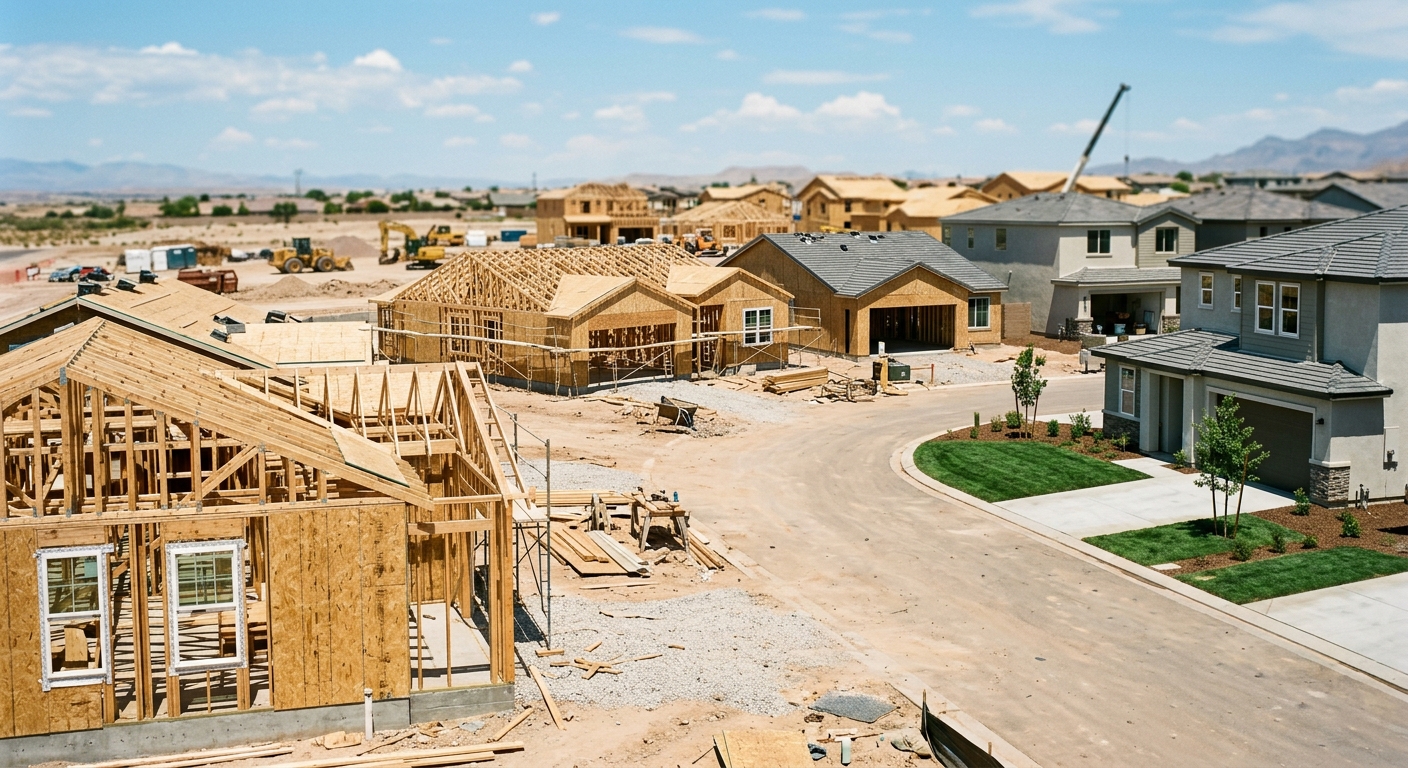
Dream Finders completed its all-cash purchase of Beazer Homes at $33.50 a share, adding California, Nevada, Indiana and Delaware and promising $100 million-plus in synergies as housing demand weakens.

NAR’s pending home sales index fell 7.3% in September to 66.0, the lowest since 2001, while Census data showed single-family starts and permits dropping as 30-year rates sat at 7.40%.
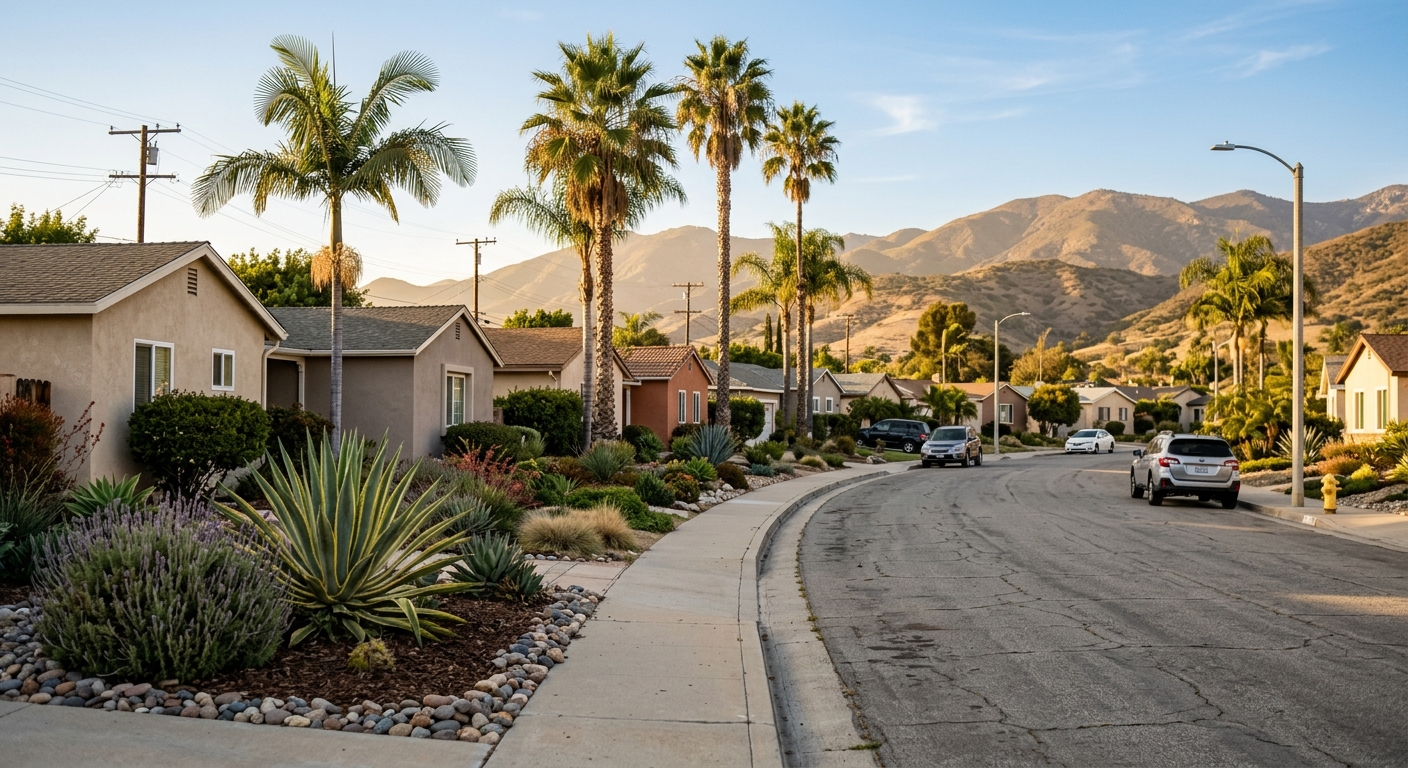
California’s sales pace dropped to 260,410 in September, down 6.5% from a year ago, while the $899,720 statewide median barely moved, C.A.R. reported.
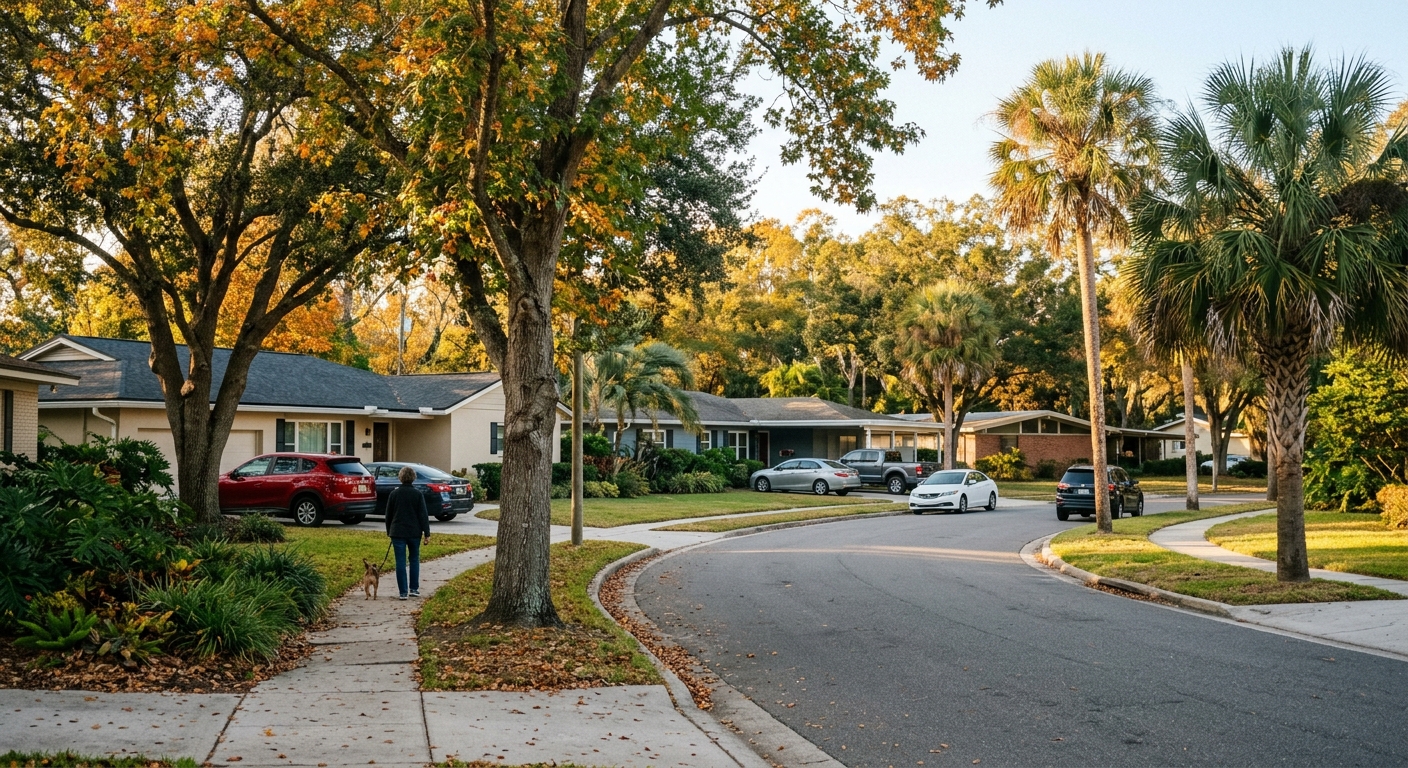
Realtor.com’s Market Clock moved to 4 o’clock as seller’s markets fell to 27 of 99 metros, with Florida leading the buyer’s side and the Midwest still favoring sellers.
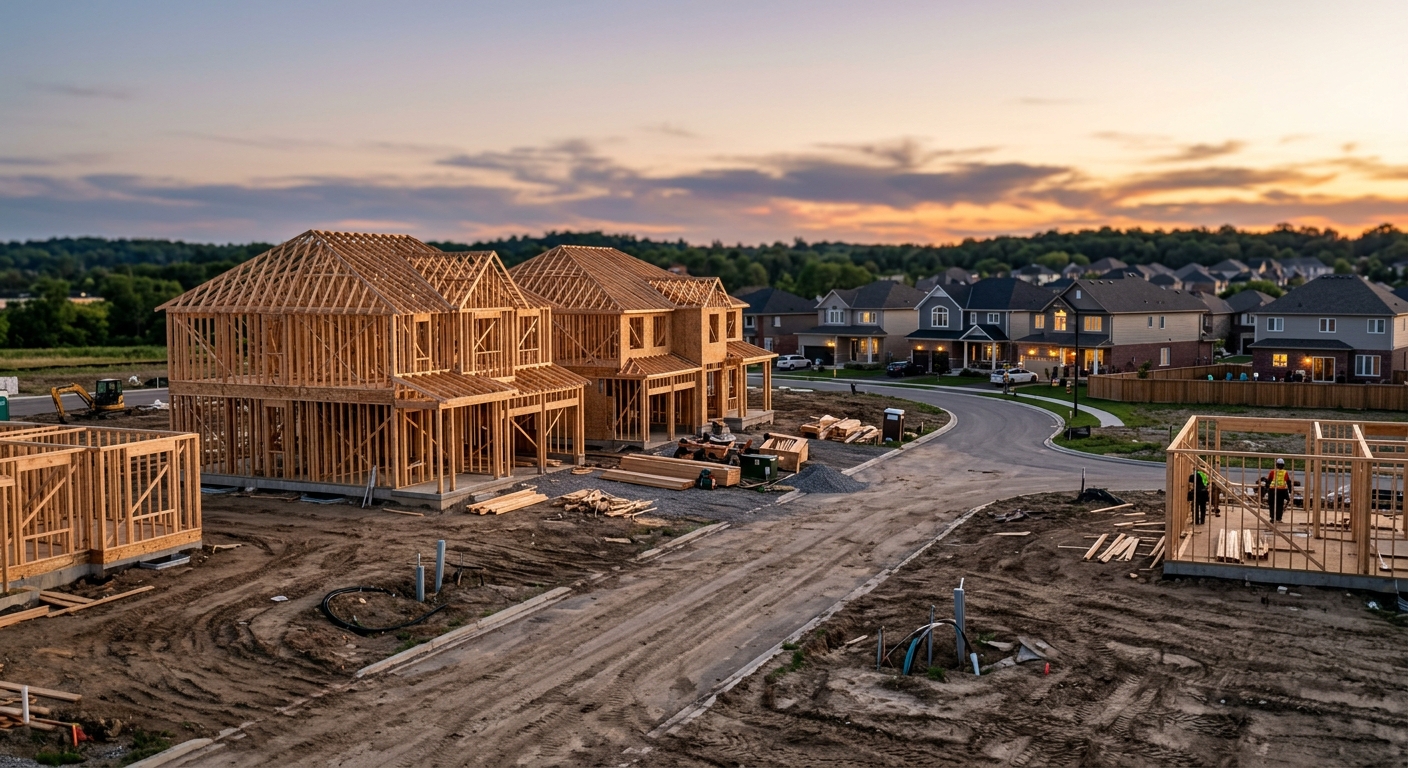
The NAHB/Wells Fargo Housing Market Index fell three points to 29 in October, its lowest since June 2012. NAHB blamed mortgage rates above 7%, and 43% of builders cut prices, the most since at least 2020.
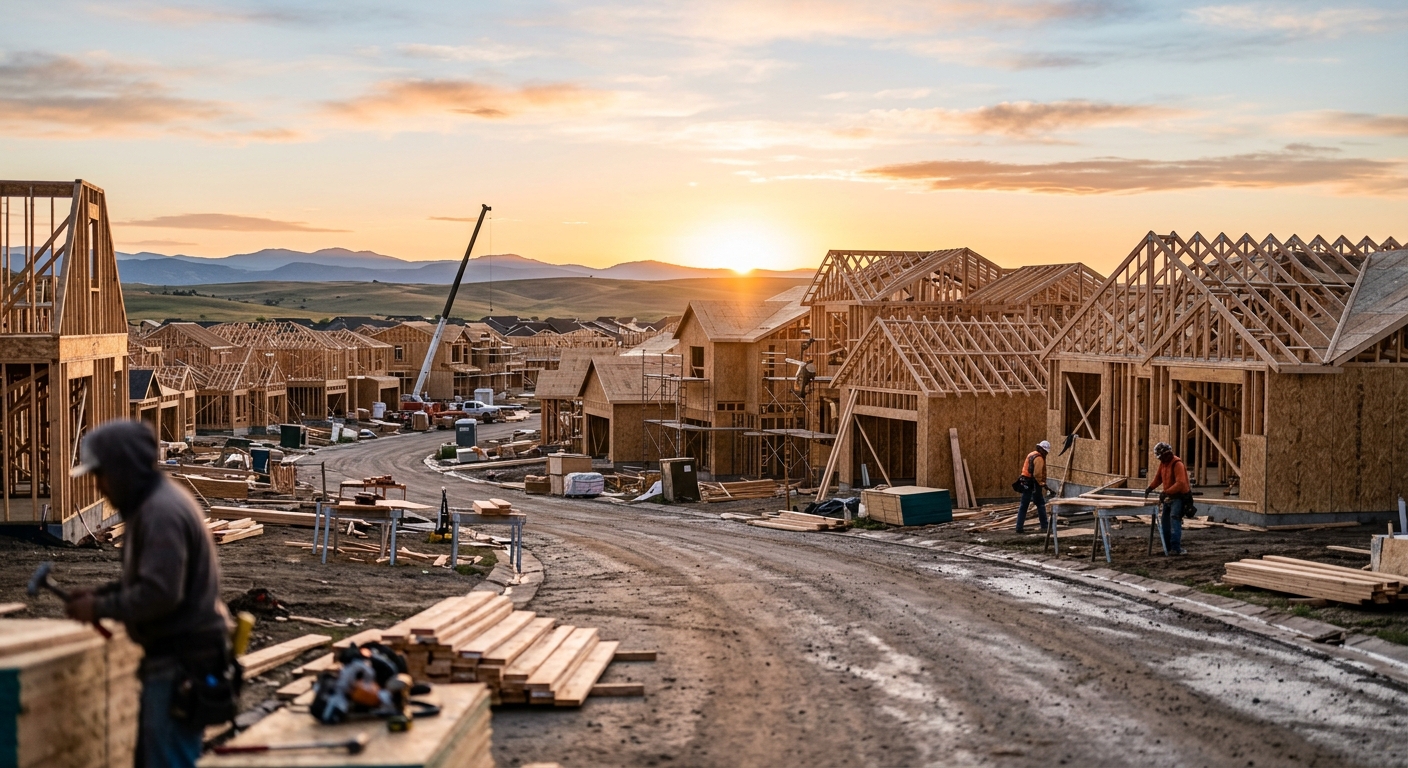
September housing starts and NAR’s pending home sales index land Oct. 20, followed by PulteGroup’s third-quarter results and Freddie Mac’s rate survey on Oct. 22.
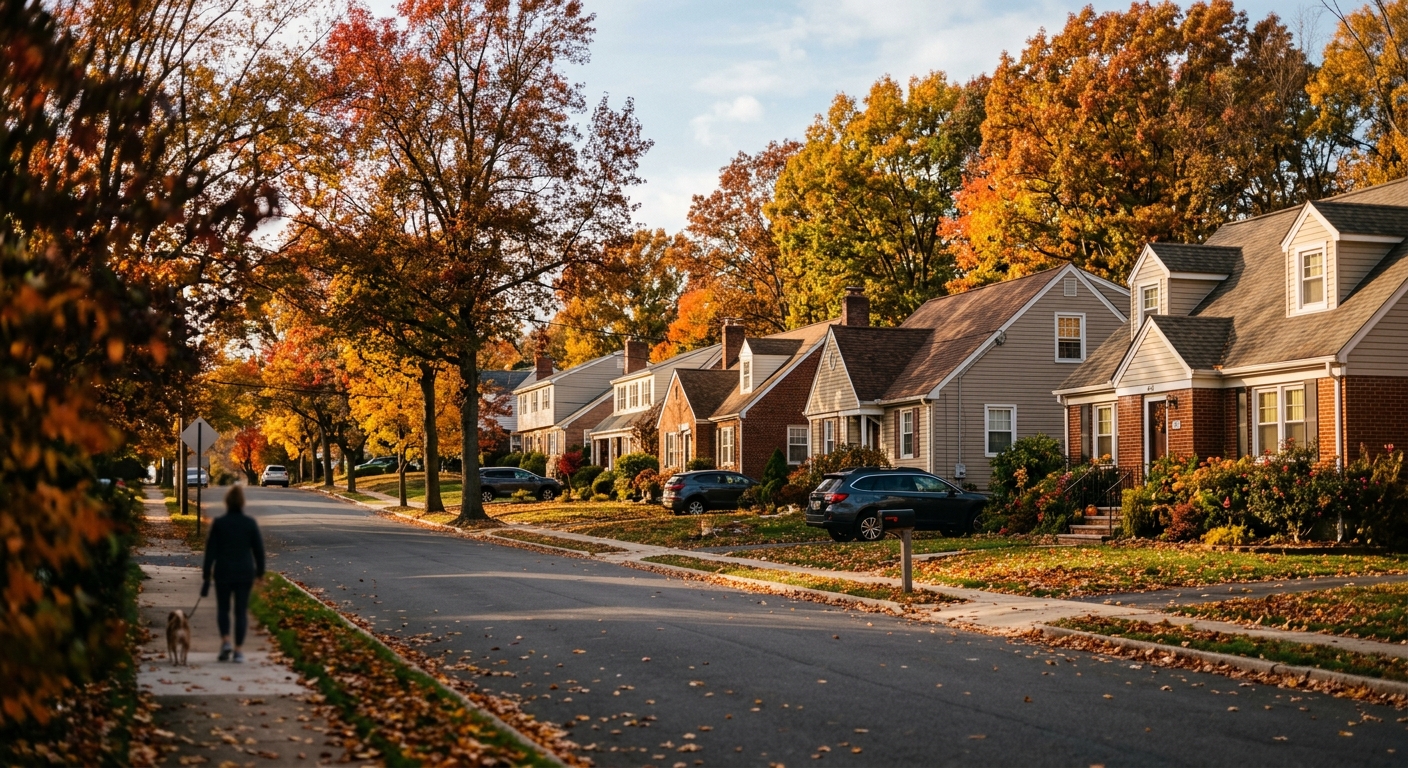
Inflation rose to 3.7%, mortgage rates held at 7.40%, September home sales ticked up while contracts fell everywhere, and Washington moved on FHA, HUD staffing and portal practices.
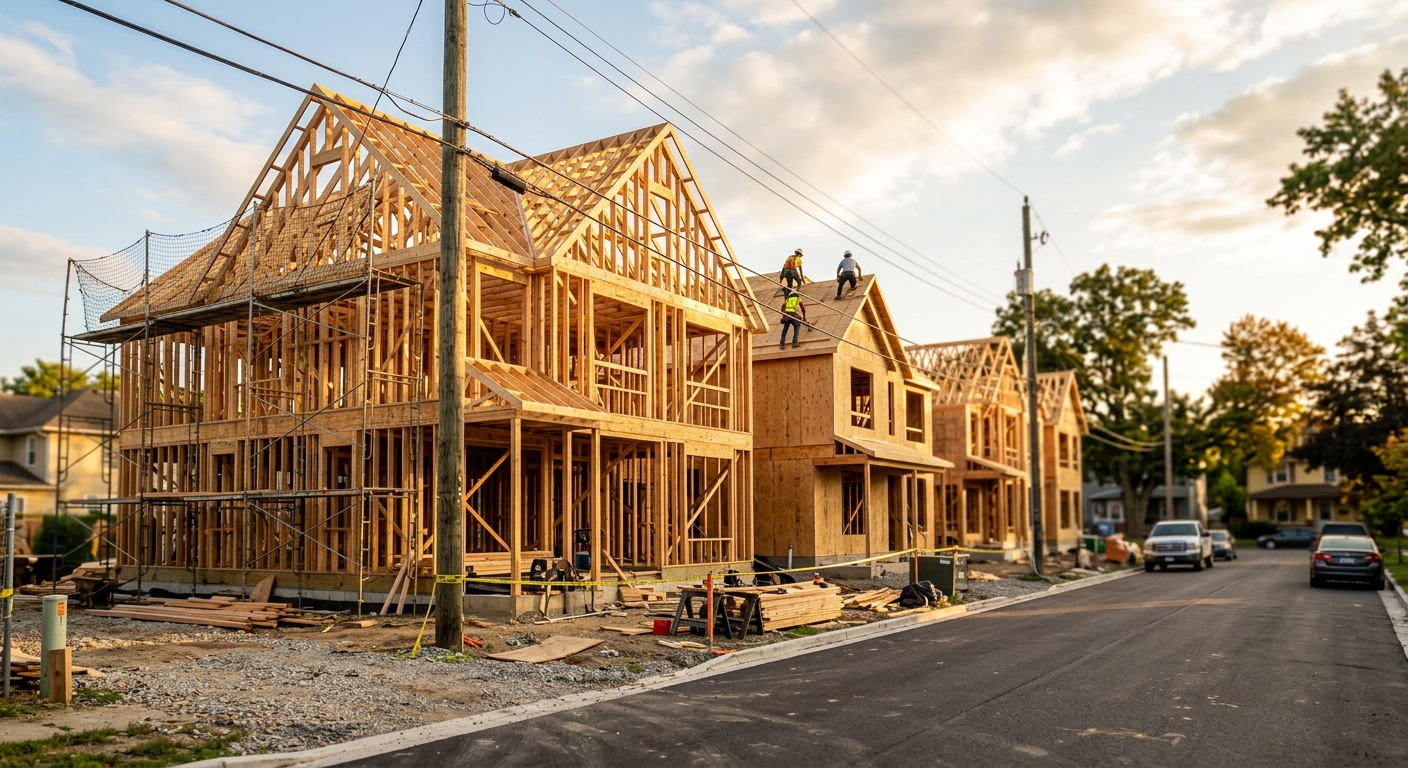
Fifteen cities, from Albuquerque to Providence, will get $450,000 to $750,000 each to adopt faster permitting, expanded ADUs or housing strike teams, with up to 30 cities planned.

A GAO report released Oct. 14 finds HUD fell from about 8,800 to 6,300 employees in 2025, ended 21% of its contracts, and left fair housing groups with a 10-month funding gap.
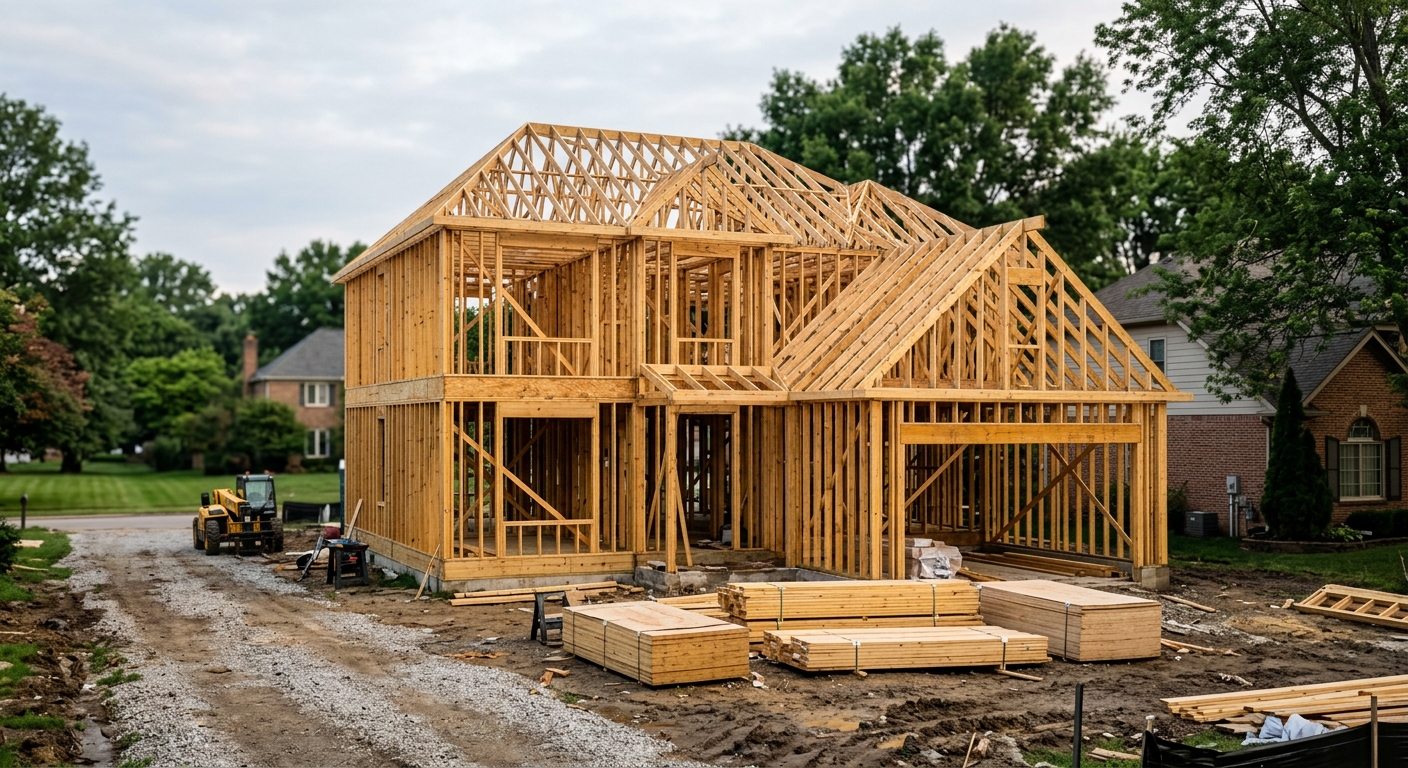
An average of 47% of builders reported shortages across the nine trades NAHB has tracked since 1996 — a higher reading than any during the last housing boom, at nearly 30% fewer housing starts.
Redfin counted 928,892 buyers against 1,510,784 sellers in September, the widest gap in its records and the fourth consecutive monthly record. Forty-one of the 50 largest metros are now buyer’s markets.
Existing-home sales rose 1.5% in September to a 3.99 million annual rate, NAR said Oct. 13, but remained 2.2% below a year earlier as investors and second-home buyers took 20% of transactions.
Get expert insights, market updates, and new opportunities delivered to your inbox.