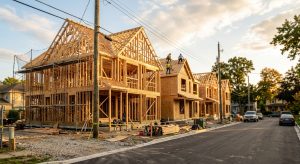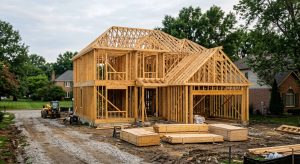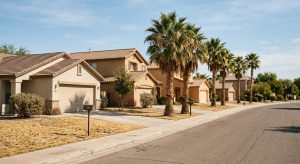
Asked what is driving the affordability squeeze in their cities, 96% of the mayors in a new national survey pointed at the same thing: the cost of housing.
The U.S. Conference of Mayors put that finding at the center of a four-city tour it announced on Sept. 25, built to press the case that local governments cannot fix the problem without federal help. San Diego Mayor Todd Gloria, the organization’s president, will lead it.
The schedule assigns one cost of living to each stop. Albuquerque, N.M., takes childcare on Oct. 8, hosted by Mayor Tim Keller. Austin, Texas, takes housing on Oct. 14 with Mayor Kirk Watson. Columbus, Ohio, hosts a healthcare session on Oct. 21 with Mayor Andrew J. Ginther, and Atlanta closes the series on food costs on Oct. 29 with Mayor Andre Dickens. Each stop is meant to put mayors alongside residents and community organizations and to surface measures that other cities could copy.
The numbers behind it
The survey the tour is built on was published a week earlier, on Sept. 18. It collected answers from 113 mayors in 39 states and Puerto Rico between Aug. 18 and Sept. 4.
Ninety-three percent said the cost of living in their city had risen over the past year, and 39% said conditions had worsened significantly. Beyond the headline figure on housing costs, the mayors described knock-on effects that read like a list of stalled local policy goals: 82% said rising housing costs are undercutting their efforts to expand homeownership, 71% said the same costs are working against efforts to reduce homelessness, and 70% said the affordability crisis is holding back local economic growth. Forty-six percent reported trouble attracting and retaining workers.
“Americans are feeling squeezed by the cost of housing, groceries, utilities and other everyday necessities,” Gloria said when the survey was released. He credited Congress with a start — “The 21st Century ROAD to Housing Act becoming law this summer was an important first step toward bringing down housing costs, but there is much more work to do” — and the organization says the survey results “reinforce the need for federal action to support local efforts to lower everyday costs.”
In announcing the tour, Gloria put it in the terms mayors hear it: “As mayors, affordability is the issue we hear about everywhere we go. Families are working hard, but the rising cost of housing, groceries, childcare and healthcare is making it harder to get by and get ahead. Mayors see these pressures up close, but we also see practical solutions that are working in our communities.”
Why the federal ask keeps coming back
A survey of mayors is a survey of advocates, and the conclusion it reaches — that cities need more money and authority from Washington — is the conclusion the organization exists to reach. What gives the numbers weight is how consistent they are with data nobody is lobbying with. Federal Reserve Governor Michael Barr said this week that home affordability has fallen to a 21-year low, and a recent accounting found that Washington spent $460 billion on housing affordability since 2015 with little measurable narrowing of the gap — which is an argument about how federal money is spent more than whether there is enough of it.
The choice of Austin for the housing stop is pointed. It is the market where Airbnb started a $250 million program to restart stalled housing projects — private capital moving into a gap that neither city budgets nor federal programs have closed.
For builders, lenders and brokerages, the tour matters less for what it produces in October than for what it signals about the next legislative cycle. A hundred-odd mayors converging on a single diagnosis, with the ROAD to Housing Act already on the books, is the political groundwork for a second housing bill. The industry’s interest is in which lever gets pulled: supply-side permitting and zoning changes, demand-side subsidy, or the local fees and approval costs that builders blame for a substantial share of a new home’s price.