Homeowners Insurance Before Closing: What Buyers Should Check Early
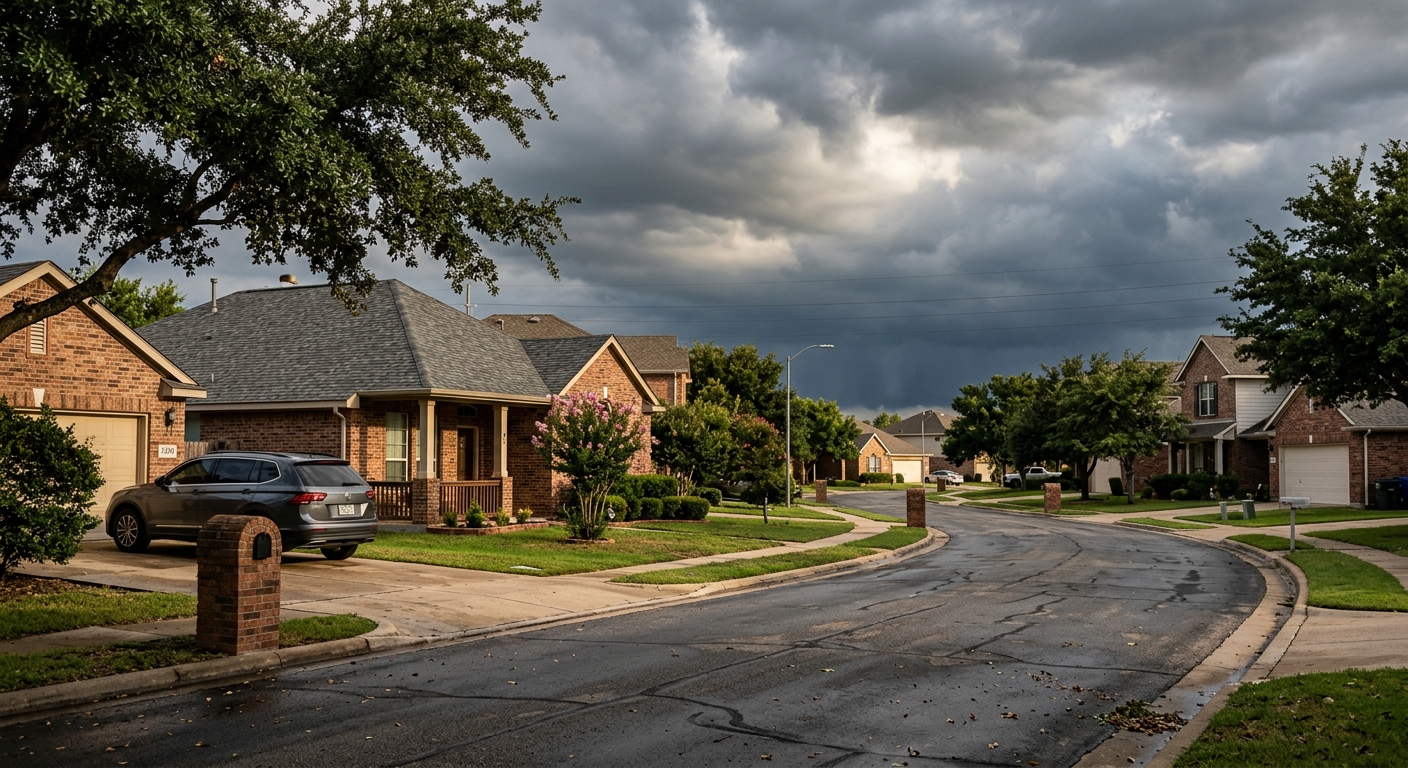
Homeowners insurance can affect your loan, payment and closing date. Why buyers should shop coverage early, not last.
Housing market news and data for 2026: home prices, inventory, days on market, and buyer demand — plus what the latest trends mean for buyers and sellers.
Homeowners insurance can affect your loan, payment and closing date. Why buyers should shop coverage early, not last.
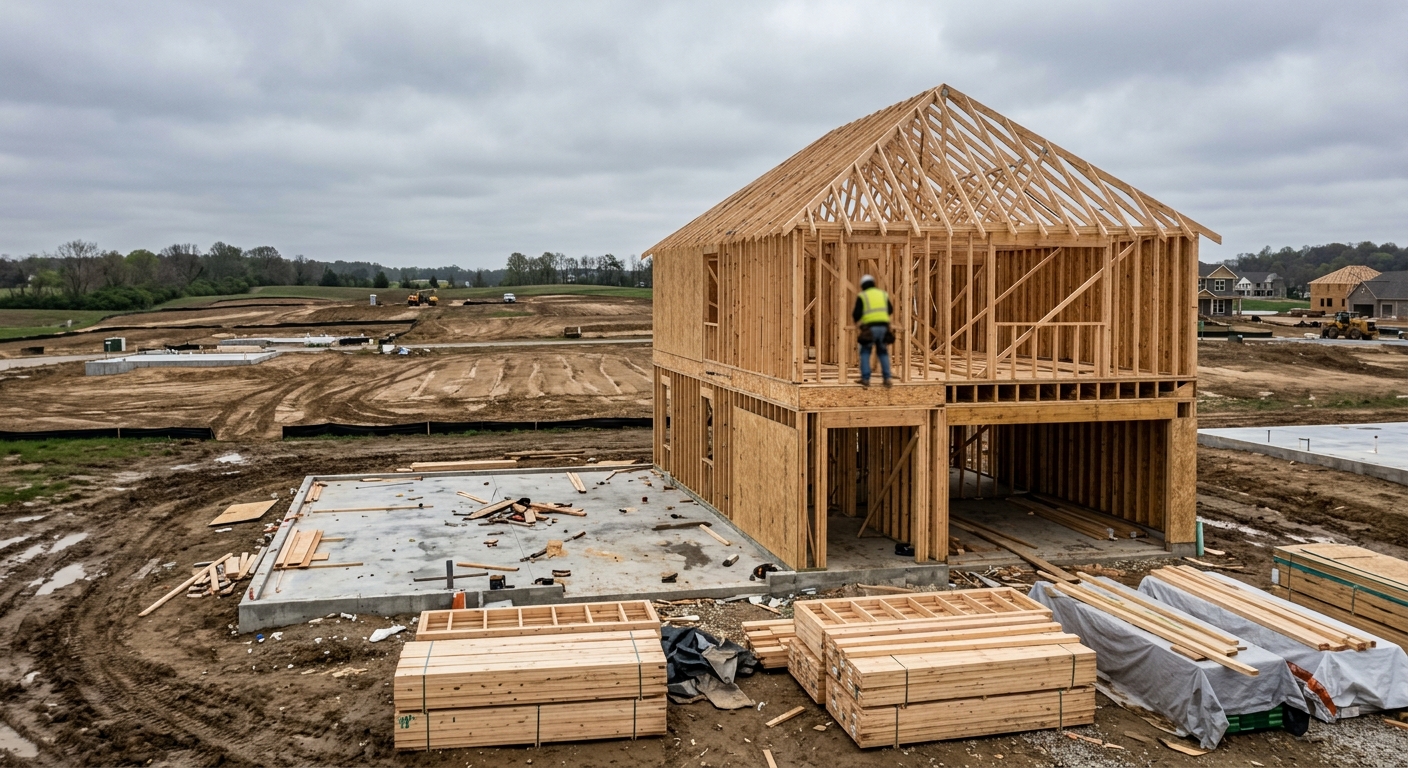
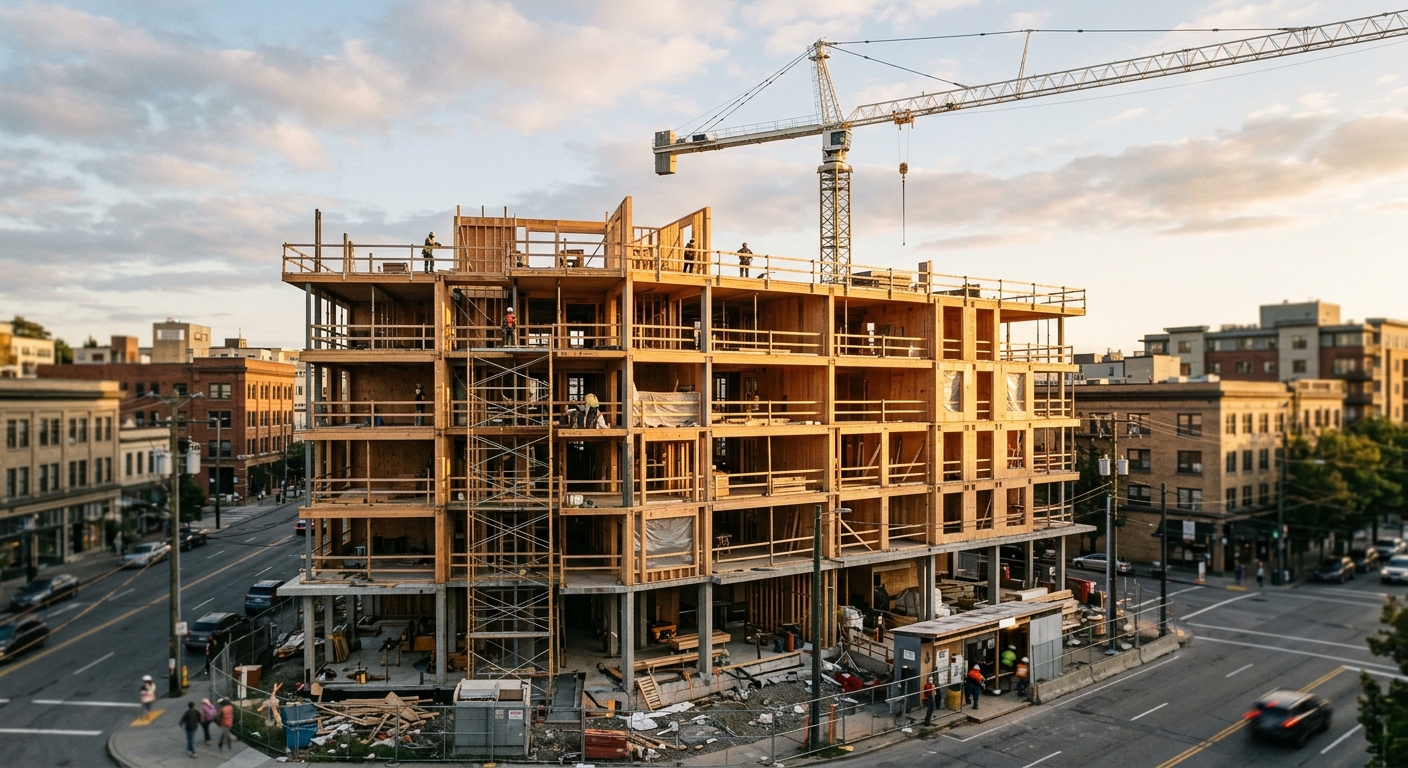
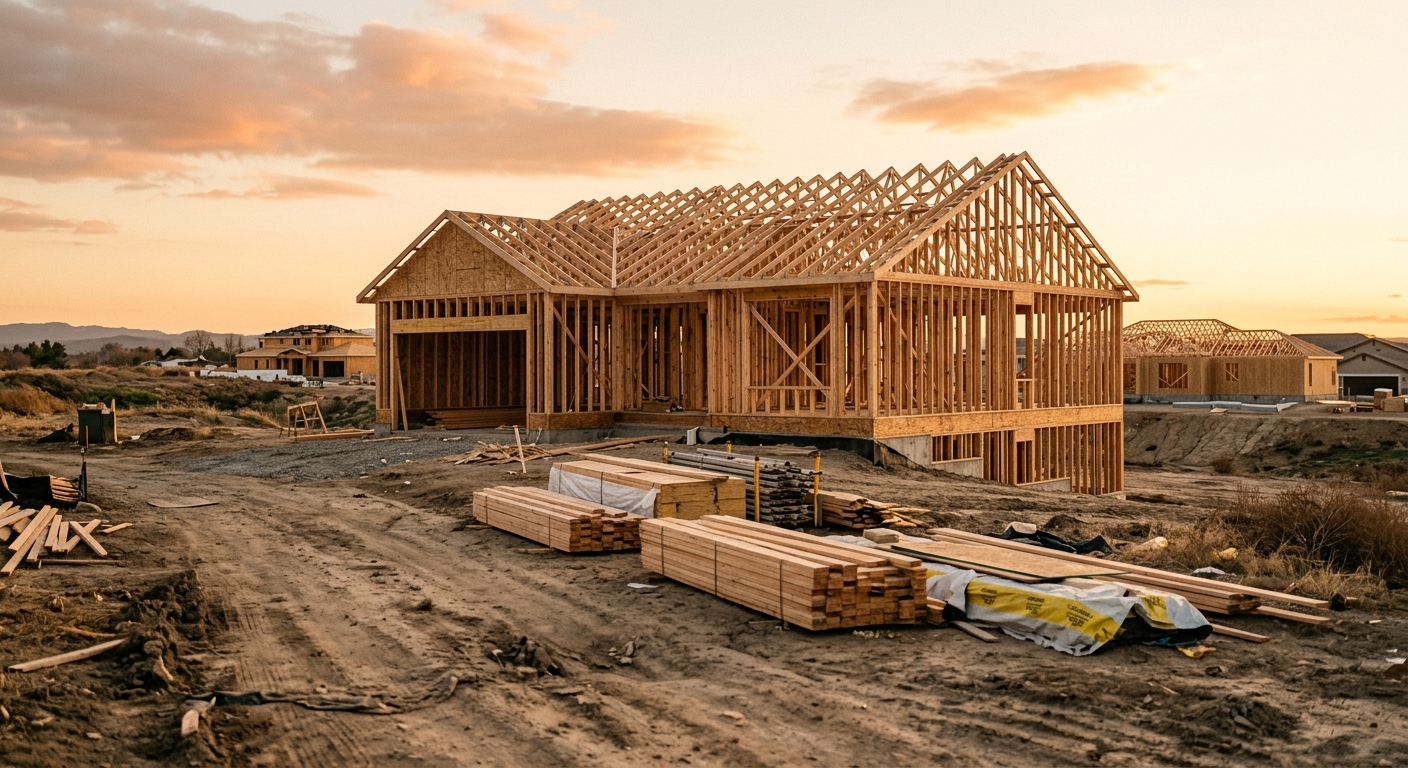
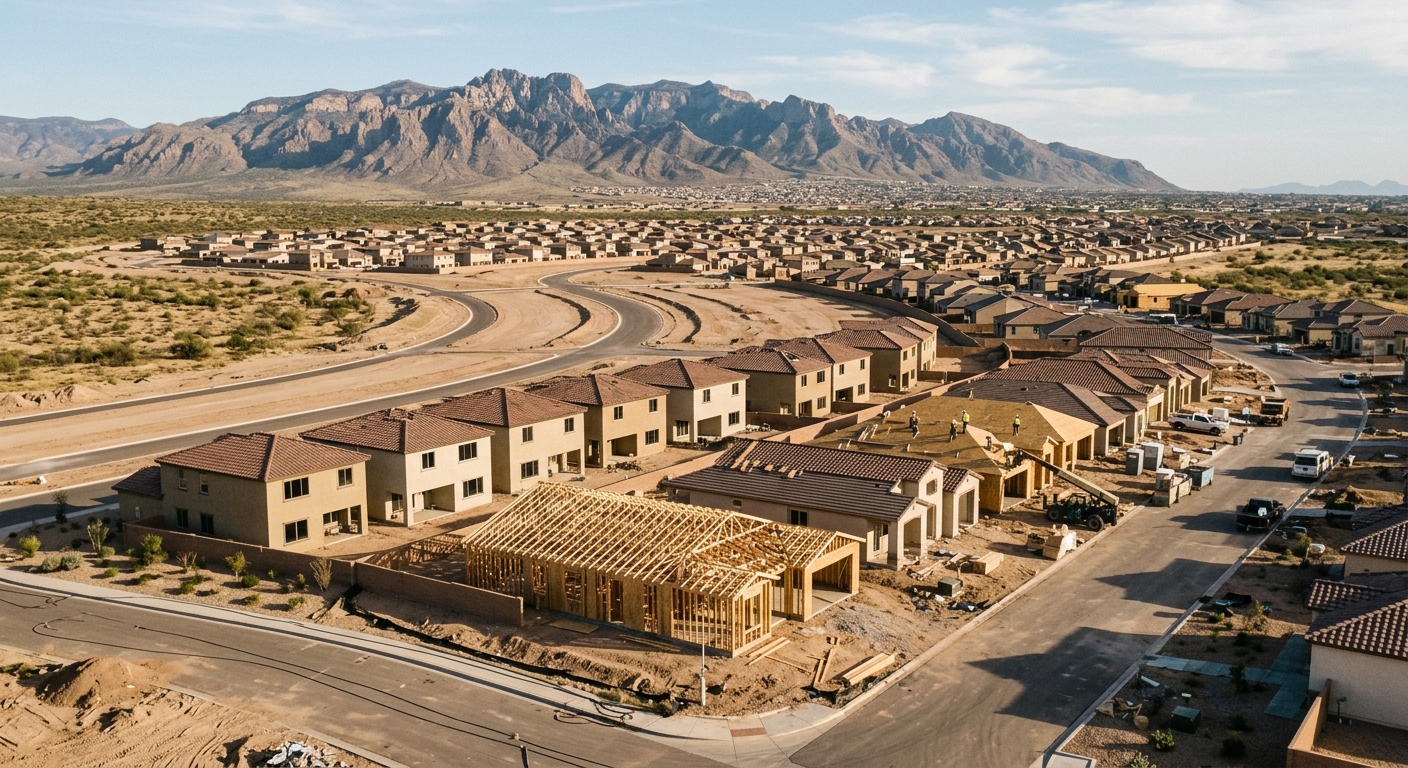
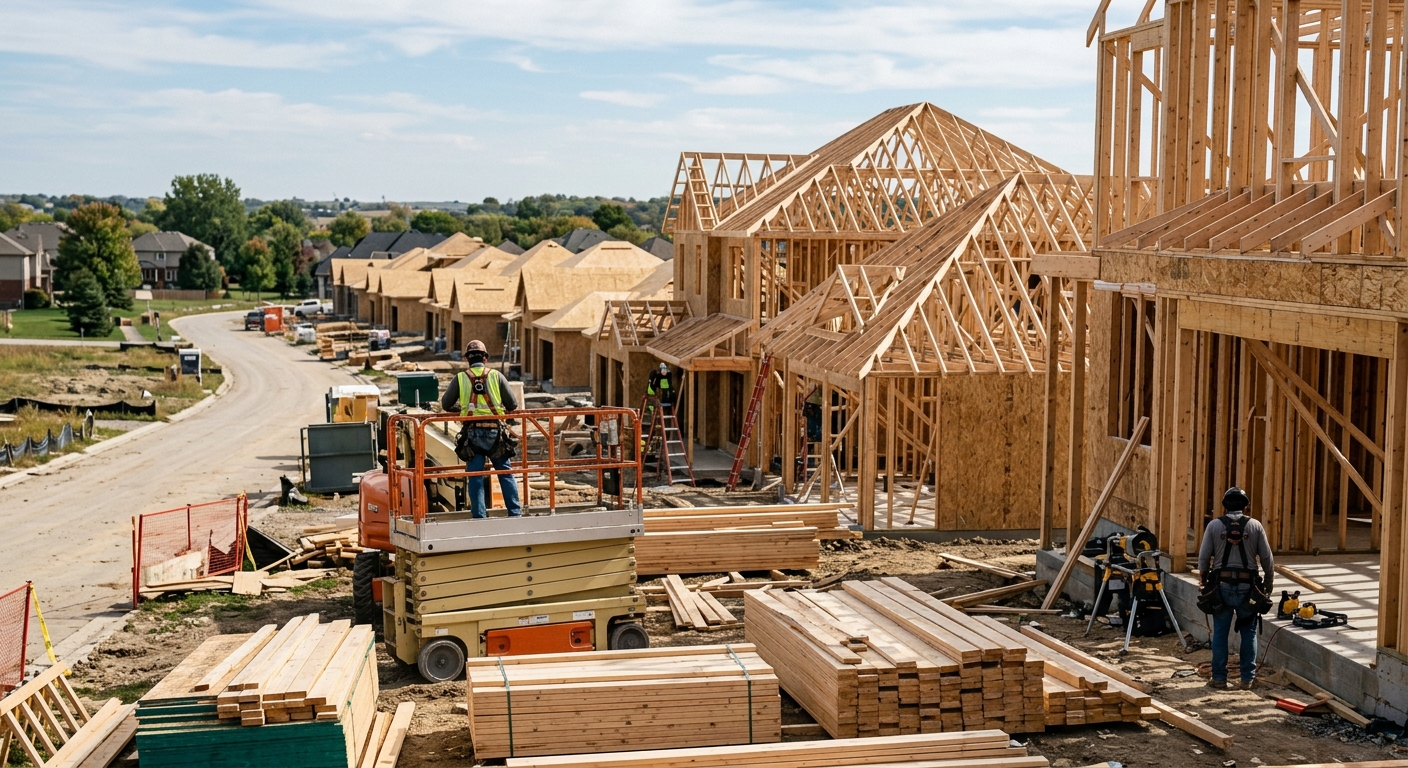
Before signing a new-construction contract, buyers should ask about deposits, financing, warranties, changes, delays and inspections.
Spec homes are move-in-ready or nearly finished builder homes. Here’s why builders may discount completed inventory.
New-home supply and resale supply are sending different signals in 2026. Here’s why buyers see two different housing markets.
Housing starts fell in May 2026. Here’s why construction pullbacks matter for future housing supply, buyers, builders and prices.
Builder incentives can lower costs, but buyers need to compare rate buydowns, closing credits, upgrades and total price carefully.
New construction may offer incentives, while existing homes may offer better locations. Here’s how buyers should compare both in 2026.
Real estate contingencies can protect buyers, but they also affect offer strength. Learn inspection, financing and appraisal clauses.
Earnest money shows sellers a buyer is serious, but buyers can risk losing it if they miss deadlines or break contract terms.
Closing costs can surprise buyers and sellers. Learn what closing costs include, who pays them and how to review them.
An appraisal gap happens when the appraised value is lower than the purchase price. Here’s what buyers and sellers should know.
A practical home inspection checklist for 2026 buyers, including roof, foundation, HVAC, plumbing, electrical and safety issues.
Rent vs. buy calculators can help, but many miss taxes, insurance, repairs, time horizon and selling costs.
Buying vs. renting in 2026 depends on location, time horizon, mortgage rates, rent levels and ownership costs.
How much are buyers putting down in 2026? Down payments fell to a four-year low, but cash still matters.
A practical first-time homebuyer checklist for 2026, from budgeting and preapproval to inspections, insurance and closing.
What should sellers fix before listing? Focus on repairs, cleaning, curb appeal and buyer confidence before expensive remodels.
Why do homes sit on the market? These seven factors often explain stale listings, from pricing to repairs and weak buyer demand.
Seller concessions and price cuts solve different problems. Here’s when each strategy may help sellers attract buyers in 2026.
Pricing a home in a slower market takes more than comps. Learn how sellers should use inventory, buyer feedback and concessions.
Contract cancellations remain elevated in 2026 as buyers face affordability, inspection and financing concerns.
Home price cuts remain common in 2026, but they do not always mean distress. Here’s what buyers and sellers should watch.
Housing inventory is rising, but that does not automatically mean home prices will fall. Here’s what buyers and sellers should watch.
Are home prices falling in 2026? The latest data shows list prices are easing, but sale prices and home values tell a more mixed story.
A federal court vacated FinCEN’s residential real estate reporting rule. What the decision means for cash deals and trusts.
Fair housing compliance starts with the listing description. A practical guide for agents, landlords and property managers.
Relistings are rising as some sellers return to the market with new prices, new photos or more realistic expectations.
How long does it take to sell a home in 2026? The answer depends on days on market, local demand, pricing and closing timeline.
Is a pre-listing inspection worth it? Learn when sellers should inspect before listing and how it can reduce surprises.
Home staging still matters in 2026, but sellers should focus on the rooms and presentation choices buyers notice most.