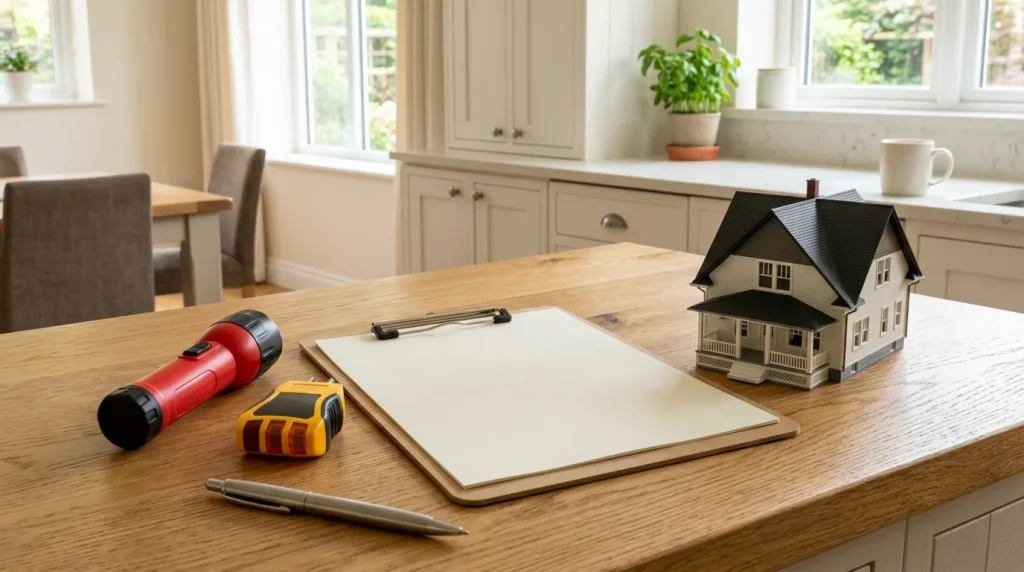
A home inspection is one of the most important steps in the buying process, especially in a market where buyers are watching every dollar.
The inspection does not decide whether a buyer should purchase the home. It gives the buyer information. That information can support a repair request, seller credit, price renegotiation or, in some cases, cancellation if the contract allows it.
The Consumer Financial Protection Bureau says that if a purchase contract is contingent on a satisfactory inspection, the buyer may be able to cancel without penalty if the buyer is not satisfied with the inspection results.
Key takeaways
- A home inspection helps buyers understand the property before closing.
- Buyers should inspect major systems, not just cosmetic issues.
- Roof, foundation, HVAC, plumbing and electrical concerns can be expensive.
- Inspection contingencies matter because they protect buyer options.
- Buyers may need specialized inspections beyond a general home inspection.
- The inspection report should be reviewed before negotiation deadlines expire.
Start with the major systems
A home inspection checklist should begin with the parts of the home that can create the largest repair bills.
Buyers should pay close attention to roof condition, foundation and structural issues, water intrusion, electrical systems, plumbing systems, heating and cooling, attic and insulation, windows and doors, drainage and grading, pest or termite concerns, included appliances and visible safety hazards.
InterNACHI’s home inspection checklist is based on its standards of practice and includes major systems such as roof, exterior, structure, electrical, plumbing, heating, cooling, interior, insulation and ventilation.
Roof and attic
The roof is one of the most important inspection areas.
Buyers should ask how old the roof is, whether coverings are damaged, whether there are signs of active leaks, whether gutters and downspouts function, whether there is attic moisture and whether vents, flashing, skylights or chimneys are damaged.
InterNACHI’s standards state that inspectors should inspect roof-covering materials, gutters, downspouts, vents, flashing, skylights, chimneys and other roof penetrations from ground level or the eaves, and should report observed indications of active roof leaks as needing correction.
Foundation and structure
Foundation problems can be costly and complicated.
Buyers should look for cracks, uneven floors, sticking doors, water intrusion, settlement signs and visible structural movement. A general home inspector may recommend further evaluation by a structural engineer if serious concerns appear.
Not every crack is a dealbreaker. But buyers should understand the difference between minor cosmetic cracking and movement that may require professional repair.
Plumbing and electrical systems
Plumbing and electrical problems can affect safety, insurance, financing and repair budgets.
A buyer should review water pressure, drain performance, visible leaks, water heater age, pipe material, electrical panel condition, outlet function, grounding, exposed wiring and outdated or unsafe components.
If the home is older, buyers may need additional evaluation from licensed specialists.
HVAC and mechanical systems
Heating and cooling systems can be expensive to repair or replace.
Buyers should ask how old the HVAC system is, whether it was serviced recently, whether it heats and cools properly, whether there are unusual noises, and whether permits are available for major replacements.
A working system is not the same as a system with a long remaining life.
Specialized inspections
A general home inspection may not cover everything. Depending on the property, buyers may need specialized inspections for termites or pests, sewer line, well water, septic system, radon, mold, chimney, pool, roof certification, flood risk or structural engineering.
What this means
A home inspection checklist is not about finding a perfect house. Perfect houses are rare.
The goal is to understand risk before closing. Buyers should focus first on safety, structure, water, roof, electrical, plumbing and mechanical systems.
FAQ
What is included in a home inspection?
A general home inspection commonly reviews major visible systems, including roof, exterior, structure, plumbing, electrical, HVAC, interior, insulation and ventilation.
Can a buyer cancel after inspection?
It depends on the purchase contract. If the contract is contingent on a satisfactory inspection, the buyer may have the right to cancel if not satisfied with the results.
Should buyers attend the inspection?
Yes, when possible. Attending helps buyers ask questions and understand issues directly from the inspector.
What problems should buyers not ignore?
Buyers should pay close attention to roof leaks, foundation movement, water intrusion, electrical hazards, plumbing failures, HVAC problems and safety concerns.
Does a general inspection include pests or sewer lines?
Not always. Buyers may need separate specialized inspections depending on the property and local risks.
Sources
- CFPB Schedule a Home Inspection
- CFPB Find the Right Home
- HUD For Your Protection: Get a Home Inspection
- InterNACHI Home Inspection Checklists
- InterNACHI Standards of Practice