Grocery-Anchored Retail Centers: Why Investors Still Like Them
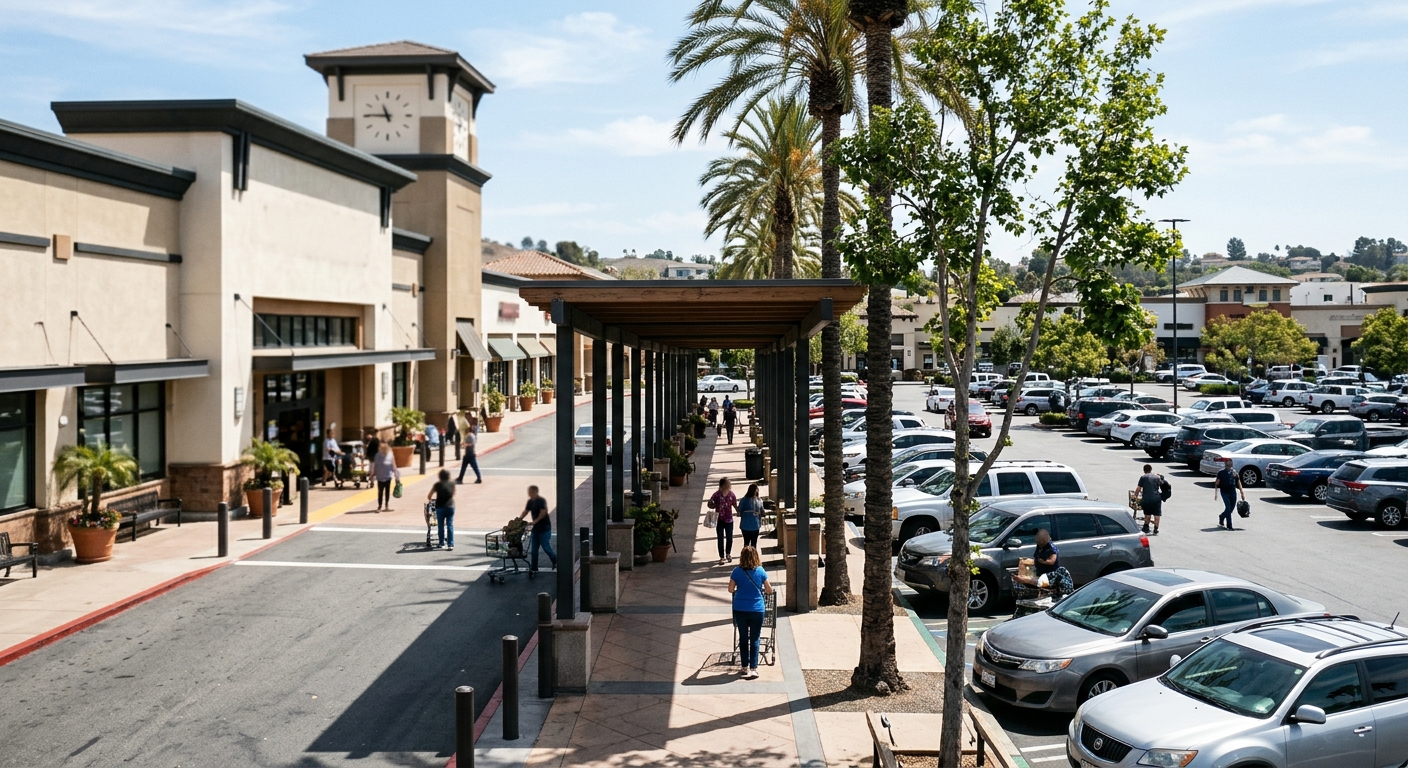
Grocery-anchored retail centers keep drawing investors: necessity traffic, steady tenants and limited new supply support returns.
Don Baker is a full-time staff reporter for RealtyWire, where he covers residential real estate, commercial real estate, multifamily housing, market trends, finance, construction, rental data, and regulatory issues affecting the real estate industry.
Before joining RealtyWire, Don worked as an investor relations director for a multifamily private equity fund, where he wrote investor updates and reporting materials on the performance, operations, and outlook of investment properties. That role gave him hands-on experience analyzing real estate trends, rental statistics, construction activity, financing issues, multifamily operations, compliance matters, and the legal and regulatory factors that shape property ownership and investment.
Don brings a broad understanding of both residential and commercial real estate to his reporting, with a particular focus on helping readers understand how market data, policy changes, capital markets, and local property trends affect buyers, sellers, investors, brokers, developers, and property owners.
He earned a Bachelor of Science in Business from Southern Illinois University and currently lives in Atlanta, Georgia.
Grocery-anchored retail centers keep drawing investors: necessity traffic, steady tenants and limited new supply support returns.
A wall of commercial mortgage maturities hits in 2026. Why refinancing math, not property performance, is the real risk.
Apartment rents and single-family rents are diverging in 2026 as new multifamily supply cools one market but not the other.
Single-family rents are still rising faster than apartment rents in 2026. New rental supply explains most of the gap.
Rental yield compares a property’s annual rent to its price. How investors calculate it — and the costs that skew it.
Cap rates measure a property’s income against its value. How investors use them to compare deals — and where they mislead.
Pre-foreclosure is the window before a foreclosure sale when homeowners still have options — and buyers face real risks.
HOA fees fund shared amenities and maintenance, but rules, reserves and special assessments deserve review before closing.
Buying in a flood zone changes insurance, financing and resale math. A due-diligence checklist before making an offer.
Homeowners insurance can affect your loan, payment and closing date. Why buyers should shop coverage early, not last.
FHA and VA loans both help buyers with lower upfront costs, but eligibility, mortgage insurance and funding fees differ.
A 15-year mortgage can save interest and build equity faster, while a 30-year mortgage offers lower monthly payments.
New-home supply and resale supply are sending different signals in 2026. Here’s why buyers see two different housing markets.
New construction may offer incentives, while existing homes may offer better locations. Here’s how buyers should compare both in 2026.
Closing costs can surprise buyers and sellers. Learn what closing costs include, who pays them and how to review them.
A practical home inspection checklist for 2026 buyers, including roof, foundation, HVAC, plumbing, electrical and safety issues.
Rent vs. buy calculators can help, but many miss taxes, insurance, repairs, time horizon and selling costs.
A practical first-time homebuyer checklist for 2026, from budgeting and preapproval to inspections, insurance and closing.
Contract cancellations remain elevated in 2026 as buyers face affordability, inspection and financing concerns.