Miami-based developer Neology Group has closed an inaugural $175 million capital raise that the company says gives it nearly $1 billion in transactional capacity, positioning it to expand beyond its historical focus on South Florida multifamily projects into larger mixed-use and district-scale developments across the broader Southeast, according to a company announcement.
Neology, founded nearly two decades ago and led by CEO Lissette Calderon and CFO Rick Porras, says it has developed more than 5 million square feet of residential real estate, built more than 2,000 condominium units and manages roughly 1,000 apartment homes, with a current pipeline exceeding 4,500 residential units. The company said it expects to deploy the new capital over the next 18 months across a pipeline of multifamily communities, mixed-use districts and joint development opportunities in Florida and other Southeastern markets, while also evaluating off-market opportunities. Calderon said the investor base includes a mix of family offices and private investors who have backed the firm for years, along with new institutional investors, though she did not disclose specific investor names.
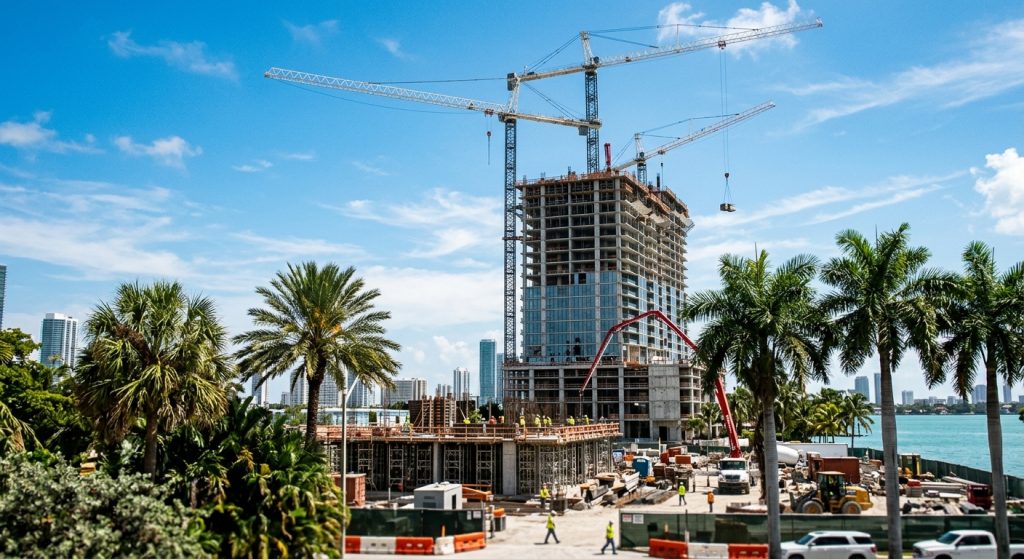
Among the projects the new capital will help support is a three-phase mixed-use development in Miami’s Rubell Arts District, done in partnership with the Rubell family and Lion Development Group. The project’s first phase calls for a 21-story tower with 330 luxury apartments and 10,000 square feet of ground-floor retail, designed to help anchor a broader cultural neighborhood built around the Rubell Museum.
Calderon called the closing “evidence of the faith our investors have in the vision we hold” for the company’s next phase of growth. Porras said the new capital “provides us with enough scale to explore bigger opportunities while maintaining entrepreneurial agility,” pointing to the balance the firm is trying to strike between scaling up and staying nimble as it moves beyond its traditional multifamily niche.
Neology’s earlier work has been concentrated in South Florida neighborhoods including Allapattah and other emerging Miami submarkets, where the firm built its track record through project-by-project multifamily and condominium development. The company said the new capital base is meant to support a shift toward larger, longer-horizon partnerships — like the multi-phase Rubell Arts District project — that require more patient, scaled financing than single-building deals typically carry.
What it means: The raise reflects a broader pattern of established regional developers moving to scale up capital bases in order to compete for larger, more complex mixed-use and district-scale projects — a dynamic RealtyWire has also tracked in Lincoln Property Company’s move past $2 billion in 2026 capital formation and in Florida-focused development activity such as Woodfield Development’s $100 million Palm Bay, Fla., mixed-use apartment project. For Neology specifically, the shift from single-property multifamily deals toward district-scale partnerships like the Rubell Arts District project signals an attempt to move up-market into a segment of development that requires larger, more patient capital bases than its earlier project-by-project model.