LTC Properties said on Oct. 1 that it bought three senior housing communities for nearly $160 million and sold 20 triple-net-leased properties for more than $260 million, a trade that moves the Westlake Village, Calif., real estate investment trust further out of landlord-only leases and into running senior housing itself.
The two transactions, disclosed in a release on the company’s investor site, continue a portfolio overhaul LTC started 17 months ago. The REIT (NYSE: LTC) now says its senior housing operating portfolio — the segment it labels SHOP — generates more than 40% of annualized net operating income. The segment did not exist before May 2025.
What was bought
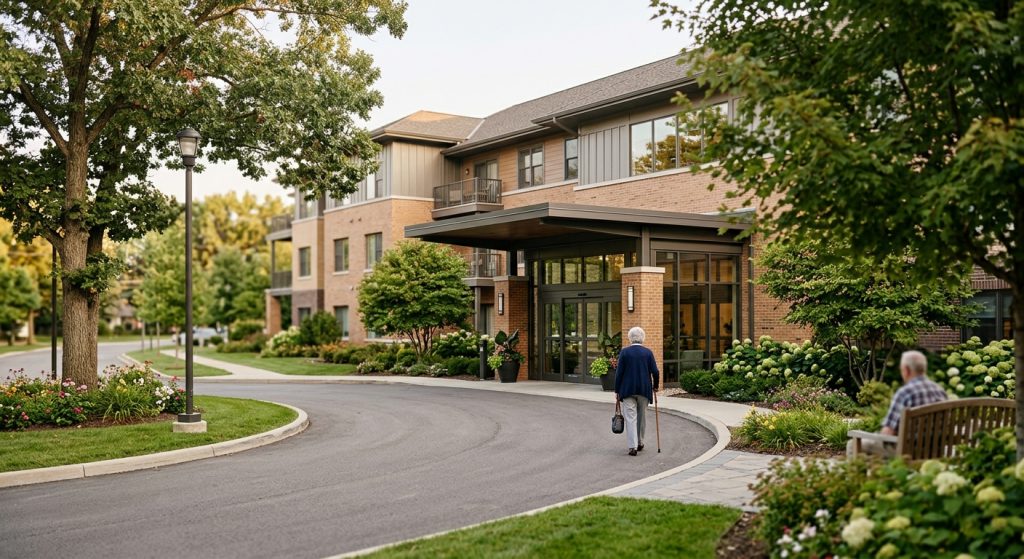
LTC paid $69 million for one community in Florida, to be operated by Charter Senior Living, and $89 million for two communities in Virginia and Maryland, to be operated by IntegraCare. The release describes IntegraCare as an operator new to LTC.
Together the three properties add 270 independent living, assisted living and memory care units. LTC said their average age is six years and that they sit in markets designated primary by the National Investment Center for Seniors Housing & Care, or NIC.
The company put expected returns on the record: an average year-one capitalization rate of approximately 6.5% and an anticipated unlevered internal rate of return in the low to mid teens. Both are LTC’s forecasts, and the release carries them as forward-looking statements rather than results.
What was sold to pay for it
The purchases were funded by the disposal of two portfolios that did not fit the operating strategy: three triple-net skilled nursing centers and 17 triple-net senior housing communities. Those sales generated more than $260 million in gross proceeds and an expected gain on sale of roughly $225 million.
The income LTC gave up is the number that frames the trade. Total annualized rental income from the two divested portfolios was $12 million, which works out to roughly 4.6% of the gross sale proceeds. The replacement assets are projected to produce about 6.5% in their first year. That spread, if LTC’s underwriting holds, is the economic case for the swap.
The REIT also said it now expects to collect the previously disclosed payoff of a $180 million mortgage loan secured by 14 skilled nursing centers in early to mid-November 2026, adding further cash to redeploy.
A portfolio rebuilt in 17 months
LTC launched the SHOP platform in May 2025. Since then, by the company’s account, the segment has grown from 13 communities to 46, while the triple-net skilled nursing portfolio has shrunk to about 30% of annualized net operating income. The SHOP portfolio averages nine years of age and is run by 13 operators, 11 of them relationships LTC did not have before the platform existed.
The pace this year has been heavy. LTC said it has completed approximately $740 million of SHOP acquisitions year to date, more than 80% of the midpoint of its 2026 acquisition target, and taken in $550 million of gross proceeds from sales and a loan payoff that together carried $33 million of annualized income and an anticipated combined gain on sale of more than $330 million. The company bought two Minnesota communities for $95 million in August on the same logic.
“Since launching SHOP, we have moved quickly to build scale, broaden our operator base, and expand our presence in markets with compelling long-term demand drivers,” said Dave Boitano, LTC’s executive vice president and chief investment officer. “These acquisitions accelerate our momentum, while the sale of non-SHOP assets highlights our commitment to actively managing our portfolio and reallocating capital into opportunities with greater growth potential.”
Why REITs keep choosing operating risk
The structural difference between the two models is who takes the upside and the downside. Under a triple-net lease, the REIT collects a contractual rent and the operator absorbs swings in occupancy, labor costs and rates. In an operating portfolio, the REIT consolidates the property’s revenue and expenses and keeps the margin — or eats the shortfall.
Choosing the second structure is a bet on occupancy and rate growth continuing. LTC is not alone in making it. Senior housing transaction volume has been running high, with second-quarter merger and acquisition volume approaching $4 billion, and other healthcare REITs have been buying at scale — CareTrust REIT reported $291 million of new deals on its way to $1.5 billion of 2026 investments.
LTC’s own portfolio shows how far the shift has gone. The company says it owns more than 160 properties nationwide, and that on gross real estate investments nearly 80% of its assets are now senior housing communities, with skilled nursing making up the rest.
On our reading, the risk in this strategy is concentrated in execution rather than in demand. A 6.5% first-year cap rate on six-year-old buildings leaves limited room for operating disappointment, and LTC is relying on operators it has worked with for months rather than years — including, in this deal, one it has never worked with at all. The release itself lists dependence on third-party operators and reliance on a few major operators among the risks to its forecasts. More of our coverage of the sector is in commercial real estate.