New construction and existing homes are giving buyers two very different markets in 2026.
Existing-home sales improved in May, but resale inventory remained below a fully balanced national market. New-home sales weakened, while new-home supply remained elevated. That split creates an important question for buyers: is a newly built home the better deal, or does an existing home still offer better value?
The answer depends on price, location, incentives, carrying costs, warranty coverage, timing and local inventory.
Key takeaways
- NAR reported 4.17 million existing-home sales in May 2026 at a seasonally adjusted annual rate.
- Existing-home inventory totaled 1.55 million units, equal to 4.5 months of supply.
- Census/HUD reported new-home sales at a 580,000 seasonally adjusted annual rate in May.
- New homes for sale totaled 496,000, equal to 10.3 months of supply.
- NAHB said 35% of builders cut prices in June and 62% used sales incentives.
- Buyers should compare total cost, not just list price.
Existing homes: more inventory, but still not a glut
NAR reported that existing-home sales rose 3.2% month over month and year over year in May, reaching a seasonally adjusted annual rate of 4.17 million. NAR also reported 1.55 million existing homes for sale, equal to 4.5 months of supply.
That means resale buyers have more options than during the tightest years of the market, but not unlimited leverage nationally.
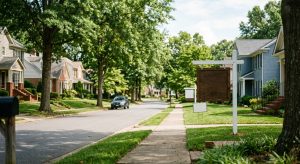
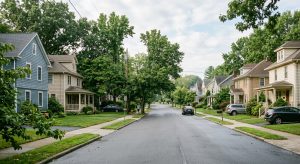
Existing homes may offer advantages that new construction cannot match: established neighborhoods, mature landscaping, shorter move-in timelines, more central locations, older homes with larger lots in some markets and less uncertainty about future phases of development.
But existing homes can also carry repair risk. A lower purchase price may not be a better deal if the home needs a roof, HVAC system, plumbing work or major updates.
New construction: more supply and more incentives
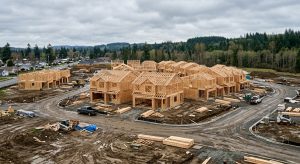
The new-home market is showing more pressure.
Census/HUD reported that new single-family home sales fell to a 580,000 seasonally adjusted annual rate in May 2026, down 7.3% from April and 6.8% from a year earlier. New homes for sale totaled 496,000, equal to 10.3 months of supply.
That supply level is one reason builders are using incentives. NAHB reported that 35% of builders cut prices in June, with an average price reduction of 6%. NAHB also said 62% of builders used sales incentives.
The real comparison: monthly cost and risk
A buyer should not compare only the sticker price.
| Question | New construction | Existing home |
|---|---|---|
| Monthly payment | May be helped by builder buydowns | Depends on seller concessions and rate |
| Repairs | Usually fewer immediate repairs | Could need updates or system replacements |
| Location | Often farther from established centers | May offer more established locations |
| Timeline | Completion timing may vary | Often faster if vacant or occupied by seller |
| HOA costs | New communities may have dues and rules | Varies widely |
| Warranty | Builder warranty may apply | Usually more buyer due diligence |
| Negotiation | Incentives may be available | Price cuts or concessions may be possible |
A new home with incentives can still be expensive if taxes, HOA dues, lot premiums and upgrades are high. An existing home can still be a strong value if it is well maintained and priced realistically.
What this means
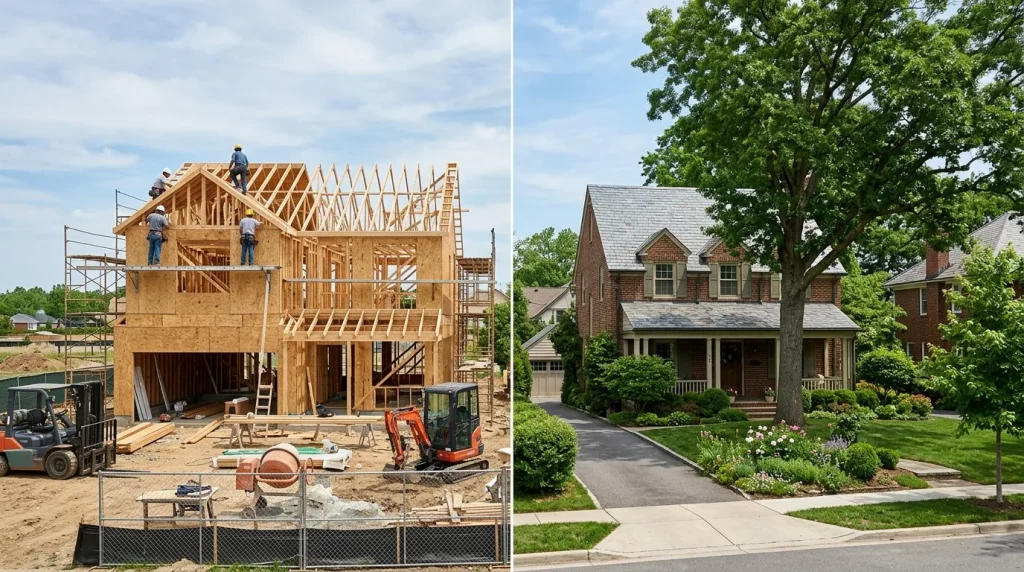
For buyers, the best strategy is to compare a new home and resale home side by side using total monthly cost and expected repair risk.
Ask what the all-in monthly payment is, what incentives are included, whether incentives are tied to a preferred lender, what repairs are likely in the next five years, what taxes, insurance and HOA dues are, and how long it will take to move in.
For sellers of existing homes, nearby builders matter. If builders are offering incentives, resale sellers may need to compete with price, condition, location or concessions.
FAQ
Is new construction cheaper than an existing home in 2026?
Not always. New construction may offer incentives, but buyers must compare total cost, including upgrades, lot premiums, taxes, insurance and HOA dues.
Why are builders offering incentives?
Builders are using incentives because affordability is tight and new-home supply is elevated.
Are existing homes still a better deal?
They can be, especially if they offer better location, lower carrying costs or fewer community fees. Condition matters.
What is the biggest risk with new construction?
Buyers should review completion timing, lender requirements, incentive terms, HOA costs, warranties and future community phases.
What is the biggest risk with an existing home?
Repair risk. Buyers should inspect major systems and budget for maintenance.
Sources
- NAR Existing-Home Sales Report
- Census/HUD New Residential Sales
- NAHB Builder Sentiment and Incentives
- Census/HUD New Residential Construction