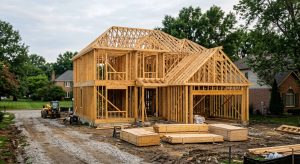
A new-construction contract is not the same as a typical resale purchase agreement.
Builders often use their own contract forms, their own deposit rules, their own timelines and their own warranty procedures. Buyers may also face upgrade selections, change orders, preferred lender incentives, construction delays and different inspection opportunities.
Before signing, buyers should slow down and ask direct questions. A new home may look simple from the sales office, but the contract controls what happens if the home is delayed, financing changes, upgrades cost more than expected or defects appear after closing.
This article is general information, not legal advice. Buyers should consult qualified professionals before signing a binding contract.
Key takeaways
- Builder contracts can differ significantly from resale contracts.
- Buyers should understand deposit rules before paying.
- Financing incentives may be tied to a preferred lender.
- Upgrade costs, change orders and completion timelines should be clear.
- Builder warranties are limited and vary by component.
- Buyers should ask about inspections before, during and after construction.
- Contract terms vary by state, builder and community.
1. What deposit is required, and when is it refundable?
New-construction deposits can be larger or structured differently than resale earnest money.
Buyers should ask how much is due at signing, whether the deposit is refundable, what happens if financing falls through, what happens if the home is delayed, what happens if the buyer cancels and whether upgrade deposits are treated differently.
Do not rely on verbal explanations. The contract should explain what happens to the money.
2. Is the price fixed?
Buyers should confirm whether the contract price is fixed or whether escalation clauses, material-cost changes, lot premiums or change orders can increase the final cost.
Ask whether the base price is final, upgrades are included, the lot premium is included, the builder can raise the price before closing, incentives are guaranteed and changes require written approval.
3. What is included in the home?
The model home may include upgrades that are not included in the base price.
Buyers should ask for a written list of included features, optional upgrades and excluded items. Important items include appliances, window coverings, landscaping, fencing, flooring, lighting, smart-home systems, garage finishes, irrigation, decks or patios and community fees.
If it matters, get it in writing.
4. What are the financing terms?
Many builders offer incentives through a preferred lender or affiliated lender. That can be useful, but buyers should compare the full loan.
The CFPB says a Loan Estimate gives important details about a mortgage loan, and buyers should request multiple Loan Estimates from different lenders to compare and choose the right loan.
Buyers should compare interest rate, APR, points, lender credits, closing costs, rate-lock period, cash to close, monthly payment and whether incentives disappear if the buyer uses another lender.
5. What happens if construction is delayed?
Construction timelines can change because of weather, labor shortages, materials, inspections, permits or supply-chain delays.
Buyers should ask about the estimated completion date, guaranteed outside date, what happens if the home is delayed, whether the buyer can cancel after a long delay, who pays for rate-lock extensions and whether the buyer can move in before final items are complete.
6. What inspections are allowed?
A new home still needs inspection.
NAR says inspections can help buyers identify costly problems they may not notice until after move-in, and buyers may choose to include an inspection as a contingency in their purchase agreement.
For new construction, buyers should ask whether they can inspect before drywall, near completion, before final walkthrough and before warranty expiration.
7. What warranty applies?
The FTC says most newly built homes come with a builder warranty, and builder warranties generally offer limited coverage on workmanship and materials for specific components. Coverage length varies by component.
Buyers should ask what the builder warranty covers, what is excluded, how long coverage lasts, how claims are submitted, whether appliances are covered by manufacturers instead, whether there is a structural warranty and whether arbitration is required for disputes.
What this means
A new-construction contract should be treated as a major legal and financial document, not a formality.
Buyers should ask about deposits, price changes, financing, upgrades, delays, inspections, warranties and community rules before signing. If the answer is important, it should be in writing.
FAQ
Is a new-construction contract different from a resale contract?
Yes. Builders often use their own contracts, timelines, deposit rules, warranty terms and upgrade procedures.
Can a builder keep my deposit?
It depends on the contract, state law and why the buyer cancels. Buyers should review deposit refund terms before signing.
Should I use the builder’s preferred lender?
Maybe, but buyers should compare Loan Estimates from multiple lenders.
Do new homes need inspections?
Yes. A new home can still have construction defects or incomplete items. Buyers should ask what inspections are allowed.
What does a builder warranty cover?
The FTC says builder warranties generally offer limited coverage on workmanship and materials for certain components, and coverage length varies by component.
Should a buyer have an attorney review a new-construction contract?
In many cases, yes. Builder contracts can be complex, and legal rights vary by state.
Sources
- CFPB Loan Estimate Explainer
- FTC Warranties for New Homes
- NAR Consumer Guide: Home Inspections
- HUD Buying a Home