Real Home Prices Fall for an 11th Straight Month
Case-Shiller shows prices up 0.8% in a year when inflation ran 3.8% — meaning inflation-adjusted U.S. home values fell for an 11th straight month.
Mike Douglas is a business and real estate writer based in suburban Chicago, bringing together professional newsroom experience, firsthand brokerage knowledge, and a practical interest in property investing. He earned a BS from Arizona State University and went on to report for multiple newspapers, including the Chicago Tribune, where he covered business and real estate.
Before focusing on real estate journalism, Mike spent five years as a Realtor in Phoenix, giving him direct insight into buyers, sellers, agents, negotiations, and the day-to-day realities of local housing markets. Today, his reporting draws on both his journalism background and his real estate experience to explain market trends, housing developments, and industry changes with clarity and authority. As a novice multifamily real estate investor, Mike also brings a hands-on perspective to coverage of property ownership, investment strategy, and long-term market opportunities.
Case-Shiller shows prices up 0.8% in a year when inflation ran 3.8% — meaning inflation-adjusted U.S. home values fell for an 11th straight month.
Fannie Mae forecasts 4.76 million total home sales for 2026 — up just 0.2% — with existing sales edging higher while new-home sales fall 6.1%.
California’s median hit a record $930,260 as $1M+ homes claimed 38.5% of sales — while volume stayed below 300,000 for a 44th straight month.
Existing-home sales slipped 2.4% in June to a 4.09 million pace even as affordability improved. What the NAR report signals for buyers and sellers.
Zillow: June sales jumped 9.2% from May while inventory grew just 0.9% annually — a two-year low. The buyer-friendly window is quietly narrowing.
Wire fraud can drain closing funds in minutes. A verification checklist for buyers, sellers and agents before any money moves.
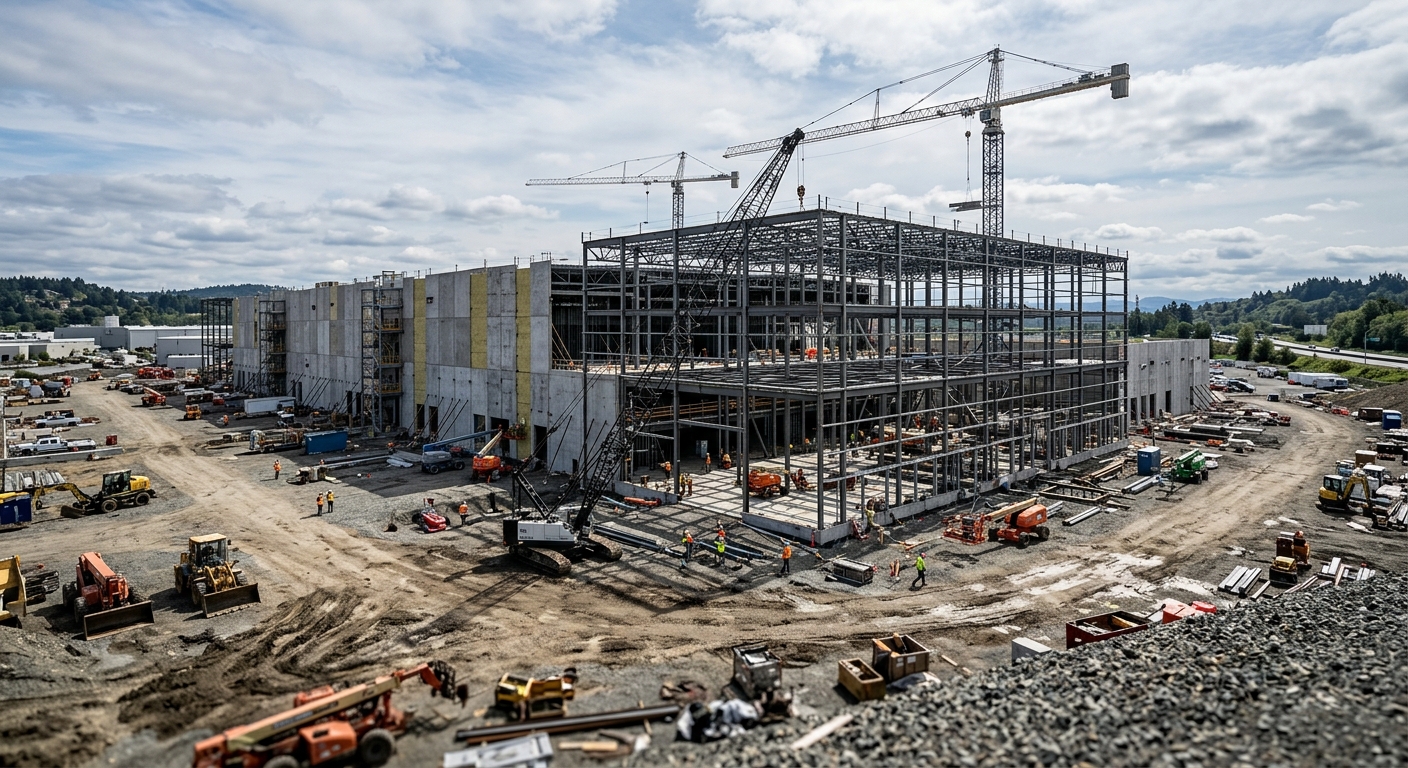
Data centers are reshaping industrial land markets in 2026, with power availability now driving site selection more than fiber.
Multifamily vacancy shows how much rental supply sits empty — and shapes rent growth, concessions and negotiating power.
Free rent, waived fees and other apartment concessions are common in 2026. How renters can negotiate a better deal.
Investor home purchases fell to their lowest level since 2020, Redfin data shows. Is the pullback ending or deepening?
Home maintenance can run 1% to 4% of a home’s value each year. What new owners should budget for repairs and replacements.
A condo special assessment can add thousands to ownership costs. What buyers and sellers should check before closing.
Climate risk now belongs in home-buying due diligence. The flood, wildfire, wind and insurance questions to ask before closing.
Homeowners insurance is the missing line in most affordability math. Why coverage costs now shape what buyers can afford.
Standard homeowners insurance usually excludes flood damage. What separate flood coverage does — and who actually needs it.
Mortgage applications are running above year-ago levels. What weekly application data says about buyer demand in 2026.
A lower mortgage rate does not always make refinancing worth it. Learn how to calculate your break-even point and compare costs.
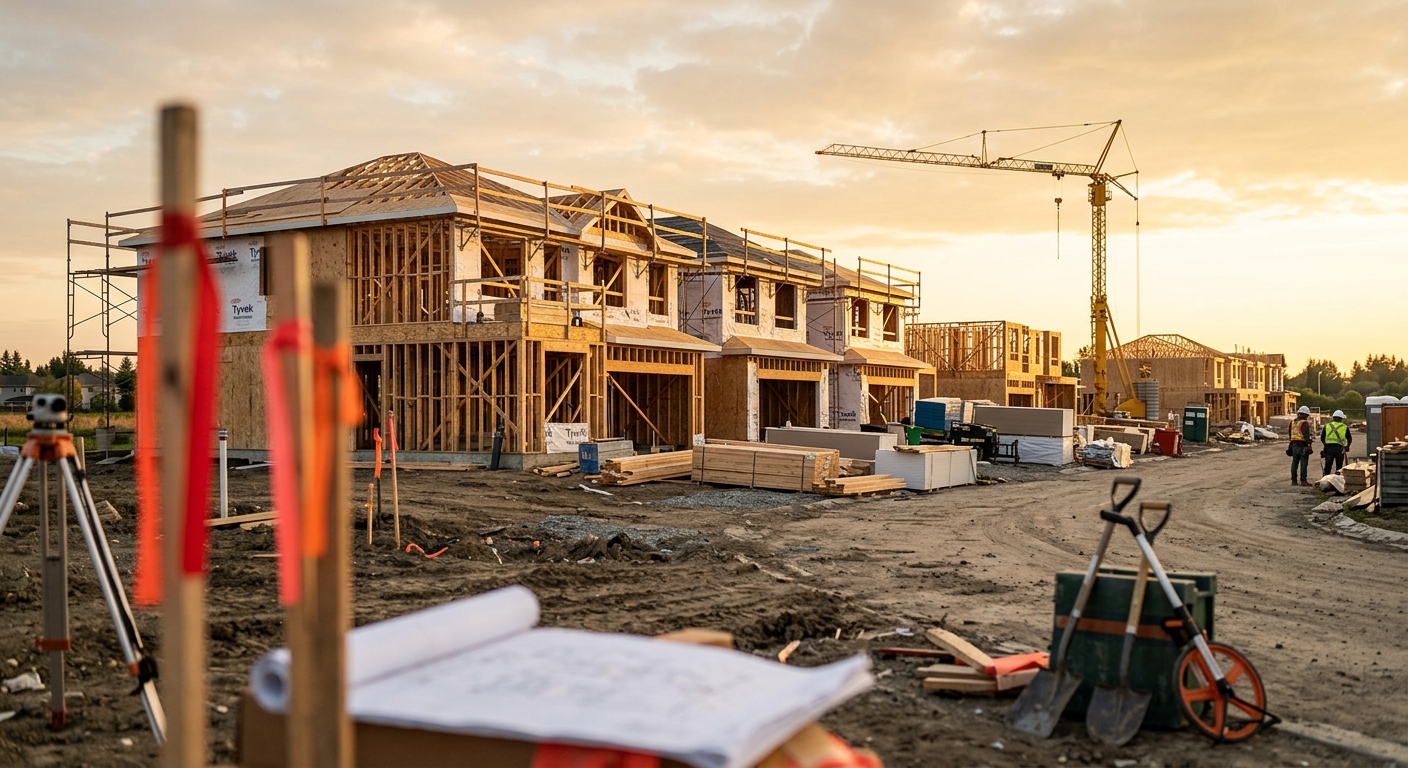
Before signing a new-construction contract, buyers should ask about deposits, financing, warranties, changes, delays and inspections.
Builder incentives can lower costs, but buyers need to compare rate buydowns, closing credits, upgrades and total price carefully.
Earnest money shows sellers a buyer is serious, but buyers can risk losing it if they miss deadlines or break contract terms.
How much are buyers putting down in 2026? Down payments fell to a four-year low, but cash still matters.
Why do homes sit on the market? These seven factors often explain stale listings, from pricing to repairs and weak buyer demand.
Seller concessions and price cuts solve different problems. Here’s when each strategy may help sellers attract buyers in 2026.
Pricing a home in a slower market takes more than comps. Learn how sellers should use inventory, buyer feedback and concessions.
Pending home sales rose in May 2026, but contract activity is only one signal. Here’s what buyers, sellers and agents should watch.
AI is entering real estate workflows fast. Which tools actually save agents and brokers time — and which are mostly hype.
Mortgage points can lower your interest rate, but they only make sense if the upfront cost is worth the monthly savings.
AI tools can create fair housing violations in seconds. What agents, brokers and landlords should watch in 2026.
Home price cuts remain common in 2026, but they do not always mean distress. Here’s what buyers and sellers should watch.
Office-to-residential conversions work only when floor plates, prices and zoning align. Where adaptive reuse actually pencils.
Get expert insights, market updates, and new opportunities delivered to your inbox.