
Current real estate market data, news and analysis for the Sierra Vista-Douglas, AZ metropolitan area — 126,332 residents across Cochise county.
Data as of May 2026. Sources: Redfin Data Center, U.S. Census Bureau.
Latest Sierra Vista Real Estate News
Coverage of this market is coming soon. Browse all housing market news.
Sierra Vista Real Estate Market Overview
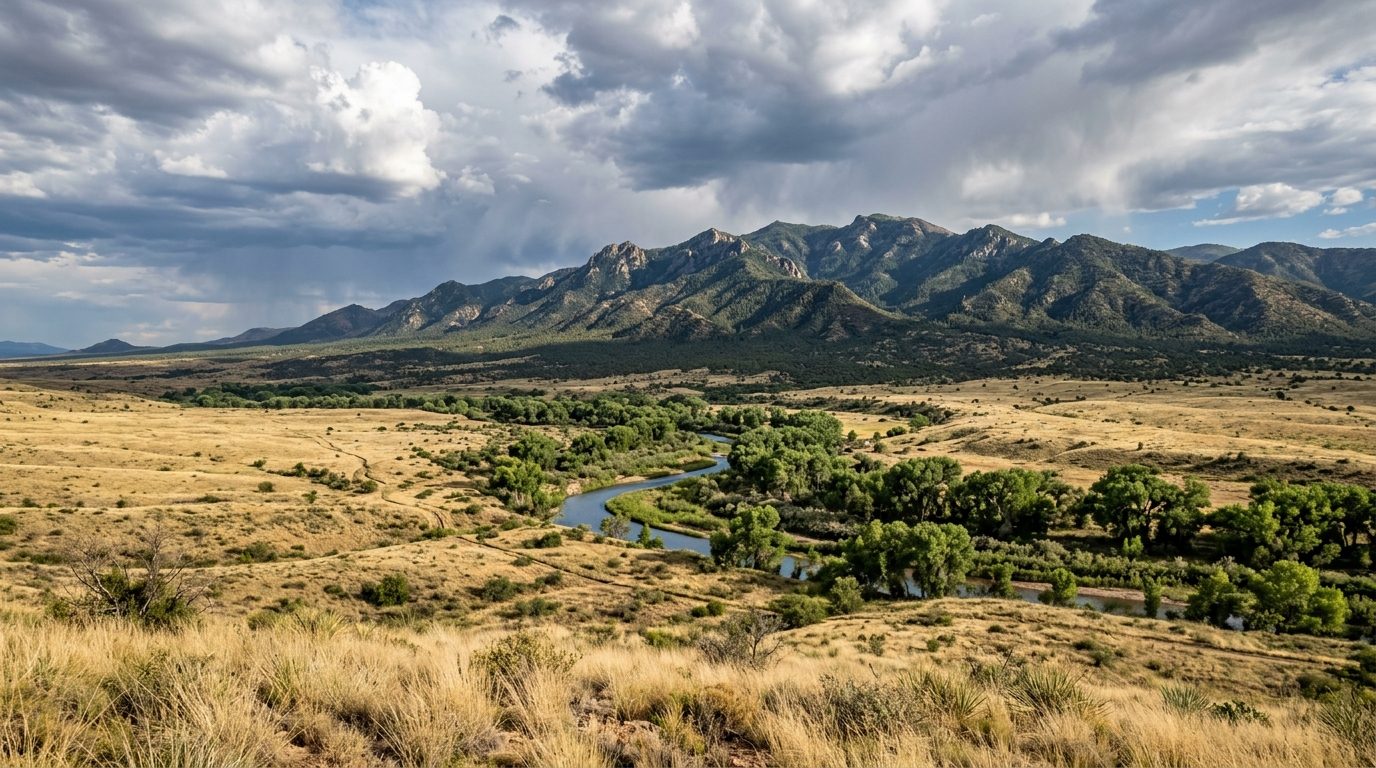
Sierra Vista-Douglas sits in southeastern Arizona’s high desert, a broad basin along the San Pedro River flanked by the Huachuca Mountains to the southwest and the Mule and Dragoon ranges elsewhere across Cochise County. Elevation moderates the desert climate, keeping the region cooler than the low-desert cities to the west. Housing stock reflects two distinct eras of settlement: mining-era towns such as Bisbee, Tombstone, and Douglas, built up around ore bodies and rail lines with dense cores of stone, brick, and frame construction climbing hillsides or laid out on a townsite grid; and Sierra Vista, whose neighborhoods grew outward from Fort Huachuca in ranch-style and suburban subdivisions as the Army post expanded and was eventually annexed into the city.
Within Sierra Vista, pricing tends to track distance from the fort’s gates, school attendance zones, and how recently a subdivision was built, with newer construction on the city’s eastern and southeastern edges generally commanding more than older housing near the historic Fry corridor. In the mining towns, geography and history do work that new construction does elsewhere: Bisbee’s steep, terraced streets in Old Bisbee and the planned bungalow neighborhood of Warren carry a premium tied to historic-district status, walkability, and tourism demand, even though lots are small and hillside building is constrained. Douglas and Tombstone sit lower in the range, shaped respectively by the smelter town’s economic contraction and Tombstone’s small, tourism-dependent footprint.
Fort Huachuca anchors the metro’s economy as home to the Army’s Intelligence Center of Excellence and one of the world’s largest unmanned aircraft systems training operations, driving demand for defense, intelligence, and information-technology work alongside contractors such as Northrop Grumman. Government employment more broadly, including Cochise County offices centered in Bisbee, accounts for a large share of area jobs. Healthcare is anchored by Canyon Vista Medical Center in Sierra Vista and Copper Queen Community Hospital in Bisbee, with Cochise College providing higher education across several campuses. Away from the fort, the economy turns agricultural and touristic: the Willcox area is a center of Arizona wine-grape growing, pistachio production, and cattle ranching, while Bisbee, Tombstone, and Kartchner Caverns draw visitors, and Douglas functions as a border-trade gateway paired with Agua Prieta, Sonora.
Water is the region’s defining long-term concern: much of the metro draws from the Upper San Pedro aquifer, where decades of pumping have outpaced natural recharge in parts of the Sierra Vista subwatershed, making water-service source, well depth, and any applicable water-rights or conservation requirements worth confirming before purchase, especially outside municipal service areas. Summer monsoon storms can produce sudden runoff through washes and arroyos, and grassland and mountain-adjacent areas carry wildfire exposure that varies with proximity to canyons and open range. Property taxes and overall regulatory burden are comparatively light by national standards. Because Fort Huachuca drives so much rental and ownership demand, buyers should also weigh how troop levels, housing allowances, and the post’s privatized on-base housing affect off-post market conditions, and, near Naco and Douglas, factor in the practical realities of living along an active international border.
Cities and Towns in the Sierra Vista Metro Area
Notable Communities and Neighborhoods
Sierra Vista Real Estate Market FAQ
How is the Sierra Vista-Douglas metro area organized geographically?
The metro covers all of Cochise County and is centered on the San Pedro River valley. Sierra Vista, the largest city, is built around Fort Huachuca at the base of the Huachuca Mountains, while smaller towns radiate outward across the surrounding valleys and ranges: Bisbee and Douglas to the south near the international border, Tombstone and Benson to the north along the San Pedro corridor, and Willcox and Huachuca City to the east and west in more agricultural and rural settings. Each town has a distinct economic identity rather than functioning as a continuous suburban ring.
Which parts of the metro tend to be more expensive, and why?
Newer subdivisions on Sierra Vista’s eastern and southeastern edges tend to command more than older housing near the city’s historic core, reflecting build age and proximity to newer schools and retail. In the historic mining towns, Bisbee’s Old Bisbee and Warren neighborhoods carry a premium tied to historic-district character, walkable hillside streets, and steady tourism demand despite small lot sizes, while Douglas and Tombstone sit at the lower end, shaped by industrial decline and a small, tourism-dependent economic base respectively.
What should buyers verify locally before purchasing in this metro?
Confirm whether a property is on municipal water and sewer or relies on a private well, and check any applicable water-rights or groundwater-management requirements, particularly outside city limits. In the historic mining towns, ask about mine subsidence, tailings, or other environmental legacy issues tied to past operations. Near Fort Huachuca, check flight paths, training-area noise, and how proximity to the post affects rental demand. Along the border near Naco and Douglas, understand any land-use or access considerations tied to the international boundary.
What is the region’s most significant natural-resource risk for homeowners?
Water availability is the central long-term issue. Much of the metro sits above the Upper San Pedro aquifer, where groundwater pumping in parts of the Sierra Vista subwatershed has exceeded natural recharge for decades, prompting conservation programs and scrutiny of new development’s water demand. Buyers relying on private wells should investigate local well-depth trends and any water-management district rules before purchasing, and should also be aware that monsoon-season storms can produce fast runoff through desert washes in low-lying areas.
Nearby Markets