Seniors housing and care merger-and-acquisition activity totaled nearly $3.9 billion in the second quarter of 2026, with assisted living communities accounting for the largest share of deals, according to acquisition data compiled by LevinPro LTC, a division of Irving Levin Associates. The figures point to a sustained wave of consolidation in a sector where investors are chasing limited new supply and rising occupancy.
Irving Levin Associates, a Norwalk, Connecticut-based research firm that has tracked health care and seniors housing transactions since 1948, reported 240 publicly announced seniors housing and care deals in the quarter, including 205 U.S. transactions. Excluding foreign deals, that puts the annualized U.S. pace at roughly 820 transactions for the year.
Assisted Living Led Seniors Housing M&A Volume
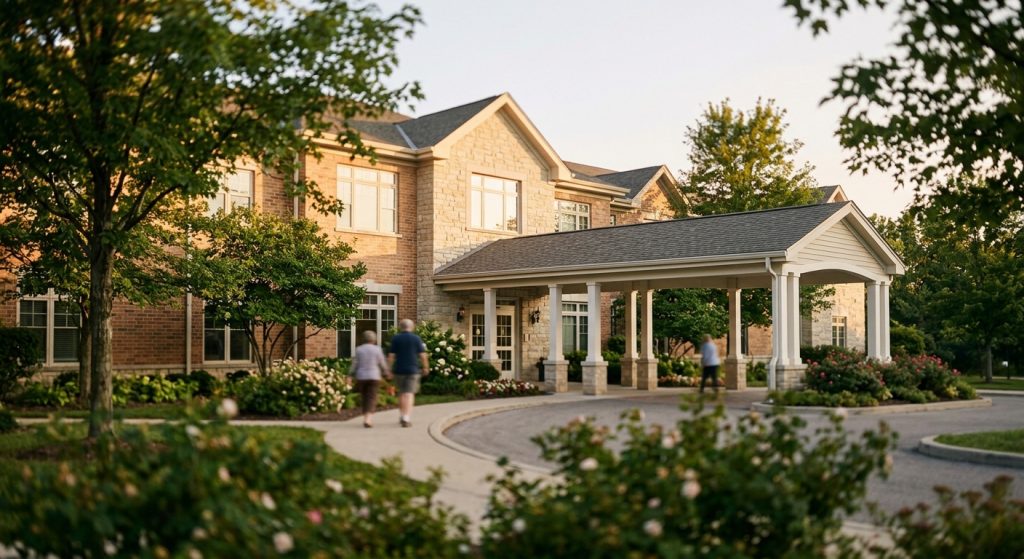
Assisted living communities made up 50.4% of announced transaction volume in the quarter, the largest share of any property type, according to the LevinPro LTC data. Skilled nursing facilities accounted for 35.8%, followed by independent living at 7.9%, affordable senior apartments at 2.9%, CCRCs at 1.7% and active adult communities at 1.3%.
The figures place seniors housing among the more active corners of commercial real estate this year. Dollar volume was little changed from the first quarter of 2026, when $3.95 billion in deals were recorded, but was up sharply from a year earlier. Irving Levin Associates said U.S. transaction counts rose 25.7% from the 191 deals recorded in the second quarter of 2025, excluding one large foreign transaction that quarter. Monthly deal volume has now topped 80 transactions for three consecutive quarters, the firm said.
Ben Swett, managing editor of The SeniorCare Investor, a publication produced by Irving Levin Associates, said in the report that “high-quality, stabilized seniors housing communities are commanding the most attention from investors,” adding that pricing for those assets “has soared.” That characterization reflects the firm’s own read of the market rather than an independently verified pricing index.
What’s Driving the Deal Volume
The data arrives as occupancy across the senior housing sector has continued to climb. Occupancy in traditional senior housing properties reached 89.5% in the first quarter of 2026, up 40 basis points from the prior quarter, according to separate data from NIC MAP Vision, a real estate data provider that tracks senior housing performance. Constrained new construction has limited the addition of new supply even as demand from an aging population continues to grow, a combination that has made existing, stabilized properties more attractive to both institutional and private buyers.
That supply-demand imbalance helps explain why assisted living, generally the largest and most transaction-heavy category within seniors housing, has continued to draw the bulk of buyer interest. It also comes as bank lenders have returned to commercial real estate financing more broadly in 2026, providing additional capital for buyers pursuing seniors housing acquisitions. Investors evaluating these deals typically weigh pricing using capitalization rates, the metric commonly used to compare income-producing property values across sectors.
What It Means
Verified: Irving Levin Associates’ LevinPro LTC database recorded $3.89 billion in seniors housing and care M&A activity across 240 publicly announced transactions in the second quarter of 2026, with assisted living properties representing the largest share at 50.4%. That volume was roughly flat compared with the first quarter of 2026 and up sharply from a year earlier.
Attributed: Characterizations of investor demand and pricing trends, including comments from The SeniorCare Investor’s managing editor, reflect the data provider’s own analysis and have not been independently verified by RealtyWire.
RealtyWire analysis: Sustained deal volume above $3.5 billion for two consecutive quarters, combined with rising occupancy, suggests seniors housing has become one of the more resilient commercial property sectors for investors in 2026, even as capital availability has tightened in other parts of commercial real estate.