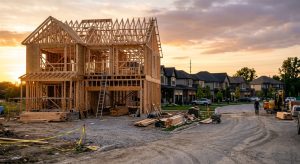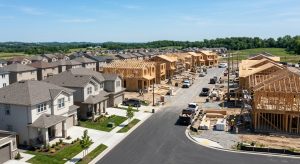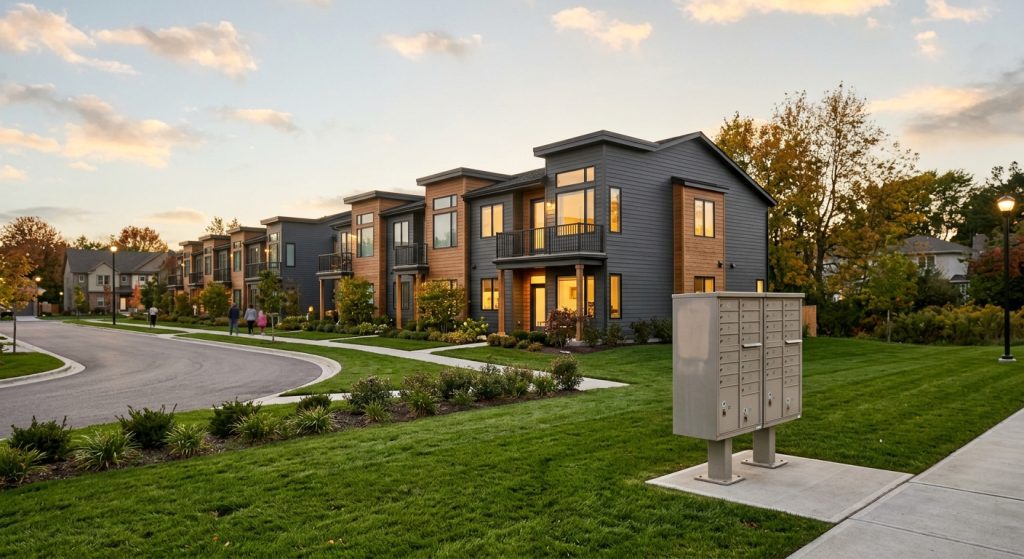
Homeowners association foreclosures jumped nearly 40% over the past two years, hitting 6,376 properties in the first quarter of 2026, according to data from real estate analytics firm ATTOM Data Solutions cited in a Wall Street Journal report. The pace of HOA-related foreclosures is now outrunning the growth in overall mortgage foreclosures, a sign that cash-strapped associations are moving faster and harder against delinquent owners.
The increase reflects a squeeze on HOA finances rather than a broader wave of homeowner distress. Rising insurance premiums, depleted reserve funds and costly new safety mandates adopted after the 2021 partial collapse of the Champlain Towers South condominium in Surfside, Florida, have left many of the country’s hundreds of thousands of community associations short on cash, according to the New York Post, which cited the Journal’s findings. Some associations are skipping standard grace periods and handing delinquent accounts straight to attorneys.
Lien filings tell a similar story. HOAs filed more than 285,000 liens against homeowners in 2025, up about 8.8% from the prior year, according to data from real estate technology firm Benutech supplied to the Journal. “HOAs are being forced into more aggressive collections to avoid their own financial collapse,” Benutech co-founder Brian Fox told the Journal.
Why associations are squeezing owners
The math behind the crackdown starts with insurance. HOA master policies covering shared buildings, roofs, pools and common areas have seen sharp premium increases nationally as insurers reprice risk from severe weather and construction costs. One Long Island, New York, HOA saw its annual premium jump to $360,000 from $60,000, the Post reported. Associations facing that kind of cost shock have limited options: raise dues, levy special assessments, or both — and then chase down owners who cannot or will not pay the higher bills.
In Magnolia Cove, an 80-home community outside Charlotte, North Carolina, monthly dues rose from $350 to $1,250, with a $10,000 special assessment added on top, according to the Post’s reporting. At Fairview Condo 1 in Middle Island, New York, 15 of the building’s 202 units are behind on $595 monthly dues, creating a roughly $8,900 monthly shortfall for the association; 10 of those units are already in foreclosure. The board has responded with additional special assessments and deferred maintenance, the Journal found.
Even wealthy owners are not immune. Boxer Floyd Mayweather Jr.’s Las Vegas home accumulated $25,000 in unpaid HOA dues, interest and legal fees starting in January 2025. His attorney attributed the lapse to an accounting oversight that has since been resolved following an overhaul of his financial team, according to the Post.
Small debts, big consequences
Attorneys who represent homeowners in HOA disputes say the foreclosure trigger is rarely the missed dues themselves — it’s what gets layered on top. “Missed dues are often only a fraction of the bill,” said Kirk Pearson, an attorney who represents homeowners in HOA disputes, noting that ballooning collection costs do the real damage. HOAs frequently outsource delinquent accounts to specialized collection firms that add heavy fees to outstanding balances — firms that, in some cases, are owned by the same corporate attorneys advising the association, giving the HOA’s legal team a financial incentive to pursue foreclosure rather than help homeowners resolve the debt, Pearson told the Post.
State law determines how much protection a delinquent owner has. In many states, “super-priority” statutes let an HOA lien jump ahead of the mortgage lender in a foreclosure sale. Redemption rights also vary widely: most states give a foreclosed owner roughly 90 days to buy back the property by paying delinquent amounts plus fees, but Pennsylvania offers no right of redemption once a sheriff’s sale hammer falls, according to Stephen M. Hladik, a Pennsylvania mortgage-foreclosure attorney who spoke with the Post. Buyers at HOA foreclosure auctions also need to research whether other liens survive the sale, Hladik said.
What it means
The 40% two-year increase in HOA foreclosures and the 8.8% rise in lien filings are figures ATTOM and Benutech supplied directly to the Wall Street Journal, making them the most current national data point on the trend. The underlying drivers — insurance inflation, reserve shortfalls and post-Surfside safety spending — are well documented industry-wide, though the dollar examples cited above are individual cases rather than national averages. For prospective buyers, the trend underscores the value of reviewing an association’s financial reserves, insurance history and delinquency rate before closing, alongside standard HOA fee and insurance due diligence. What to watch: whether more states move to cap collection fees or extend redemption rights, and whether insurance costs ease enough to slow the pace of special assessments driving owners into delinquency.