
Current real estate market data, news and analysis for the Lubbock, TX metropolitan area — 368,431 residents across 6 counties in Texas.
Data as of May 2026. Sources: Redfin Data Center, U.S. Census Bureau.
Latest Lubbock Real Estate News
Coverage of this market is coming soon. Browse all housing market news.
Lubbock Real Estate Market Overview
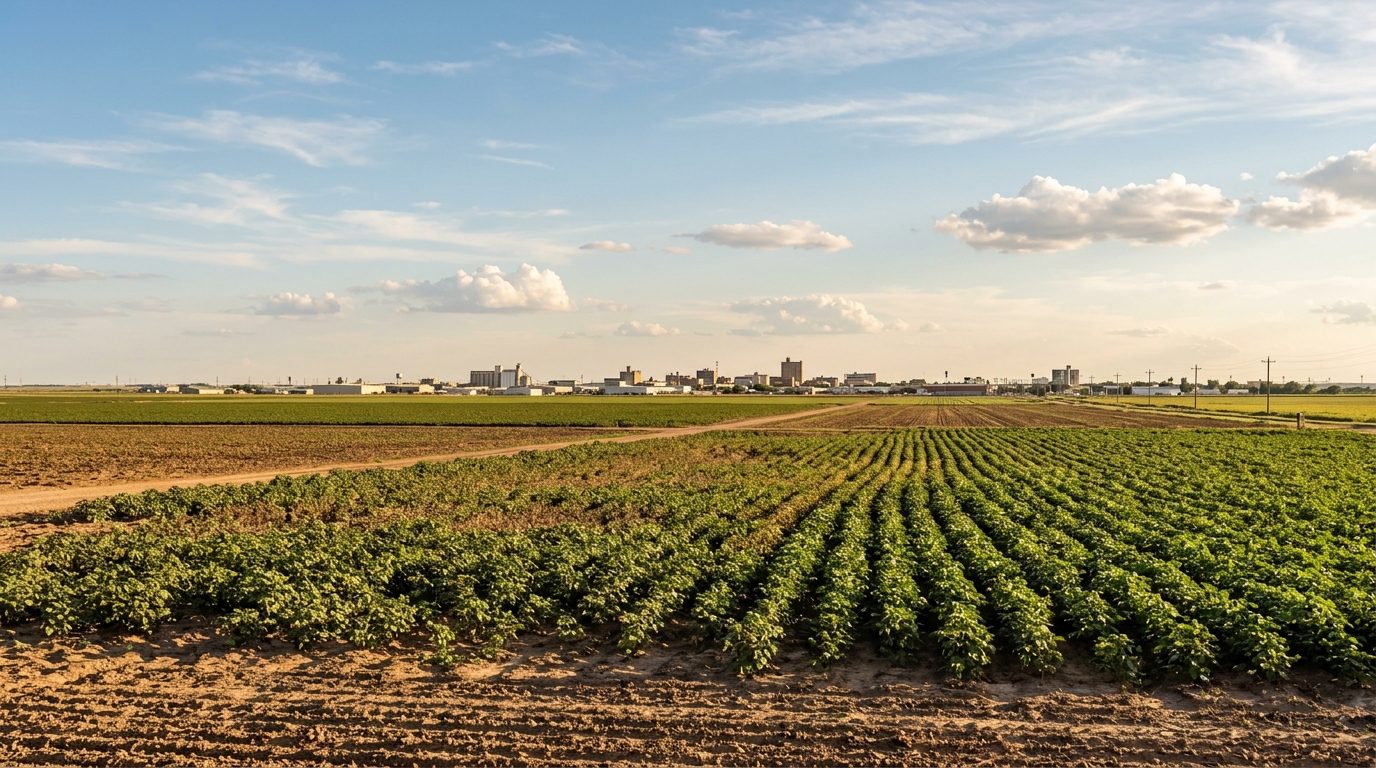
Lubbock sits at the center of the Llano Estacado, the flat, elevated tableland known as the South Plains, bounded by the Caprock Escarpment where the high plains drop into rolling terrain below. The city and surrounding farm-trade towns sit on open, featureless land with no rivers, coastline, or hill country to constrain growth, so development spreads outward in broad rings rather than filling in around barriers. Housing stock reflects this history: brick ranch homes from the mid-twentieth century define older neighborhoods near downtown and Texas Tech University, while the city’s outer edges and surrounding towns carry newer subdivisions on former cotton and sorghum farmland. With few topographic limits, construction keeps extending outward, giving the metro continuous, low-density growth rather than infill.
Neighborhoods closest to Texas Tech University and the adjoining medical district hold value for mature trees, walkable streets, and proximity to campus and hospital jobs, even though homes there tend to be smaller and older than elsewhere. Newer subdivisions toward the south and southwest, several built around golf courses, planned parks, or master-planned town centers, appeal to buyers wanting larger new-construction homes and newer schools, putting them toward the top of the local price range. Older neighborhoods on the north and east sides, along with smaller outlying farm-trade towns, tend to offer more modest housing tied to their agricultural and industrial-era origins. Proximity to the university and medical corridor, or to a newer planned development with its own parks and schools, generally commands a premium over areas built around the original farming and rail economy.
The area’s economy rests on higher education, health care, and agriculture. Texas Tech University, with its Health Sciences Center, is the metro’s dominant employer, shaping the labor force, housing demand, and civic culture. Health care is anchored by Covenant Health System and University Medical Center, both functioning as referral hospitals for West Texas and eastern New Mexico well beyond the metro itself. Agriculture remains foundational: the surrounding counties form one of the largest contiguous cotton-growing regions in the world, supported by cottonseed processing, agribusiness, and farm-supply companies, alongside sorghum, wheat, and an emerging wine-grape industry. Manufacturing and logistics have grown alongside these sectors, including semiconductor fabrication and food processing, aided by the city’s position on Interstate 27 as a regional distribution and rail point.
The region sits along the western edge of Tornado Alley and is among the more hail- and wind-prone parts of the state, so roof condition, windstorm coverage, and wind and hail deductibles are worth confirming before closing. The area depends on the Ogallala Aquifer for irrigation and municipal water, and its long-term decline is a recognized planning issue, so buyers of acreage or a well-served property should check water rights and well capacity directly. Texas levies no state income tax, but overlapping city, county, school, and special-purpose property taxes fund local services, so buyers should identify every taxing authority on a parcel, including utility or improvement districts common in newer subdivisions. Public transit is limited, and most residents drive. The city continues to annex land at its edges, and zoning and jurisdiction rules differ between the city, its suburbs, and unincorporated county land, so buyers should confirm which rules apply locally, check flood zone status given the flat terrain’s drainage tendencies, and verify which school district serves a property.
Cities and Towns in the Lubbock Metro Area
Notable Communities and Neighborhoods
Lubbock Real Estate Market FAQ
How is the Lubbock metro organized geographically?
The metro is centered on the city of Lubbock, which sits on the flat, elevated Llano Estacado at the heart of the South Plains region of West Texas. Smaller county-seat and farm-trade towns surround the city in every direction across open, largely unbroken tableland, with no river valley, coastline, or mountain range shaping where development can occur. Because the terrain is essentially level, the city has expanded outward from an original downtown and university core in widening rings, with newer growth concentrated on the southern and southwestern edges and older, established neighborhoods closer to the center.
Which parts of the Lubbock area tend to be pricier, and why?
Areas near Texas Tech University and its adjoining medical district carry value from mature landscaping, walkable layouts, and closeness to university and hospital employment, despite often having smaller, older homes. Newer planned subdivisions on the south and southwest side, some organized around golf courses or neighborhood parks, tend to sit higher in the local market because of larger new-construction homes and newer schools. Older neighborhoods farther from the university corridor, and smaller outlying towns built originally around agriculture and rail, tend to be more modestly priced, reflecting older housing stock and greater distance from major employment centers.
What should buyers verify locally before purchasing property in the Lubbock area?
Buyers should confirm which school district actually serves a given address, since district boundaries can cut across city and county lines regardless of mailing address. It is worth identifying every overlapping taxing authority attached to a parcel, including any municipal utility or public improvement districts common in newer subdivisions, since these affect the total tax bill. Because the city continues to annex land at its edges, buyers should also check whether a property falls inside city limits, an incorporated suburb, or unincorporated county land, since zoning, code enforcement, and utility service can differ accordingly. Water source and windstorm insurance terms are also worth confirming directly rather than assuming.
What is the main weather-related risk for homeowners in the Lubbock area?
The Lubbock area sits along the western edge of Tornado Alley and is one of the more hail- and wind-prone parts of Texas, with severe thunderstorms capable of producing large hail, damaging straight-line winds, and occasional tornadoes, particularly in spring. Roof condition and age are especially relevant to insurability and claims history here, and buyers should review windstorm and hail coverage terms, including separate deductibles for wind and hail losses, as a standard part of due diligence rather than an afterthought.
Nearby Markets