
Current real estate market data, news and analysis for the Midland, TX metropolitan area — 193,139 residents across Martin and Midland counties.
Data as of April 2026. Sources: Redfin Data Center, U.S. Census Bureau.
Latest Midland Real Estate News
Coverage of this market is coming soon. Browse all housing market news.
Midland Real Estate Market Overview
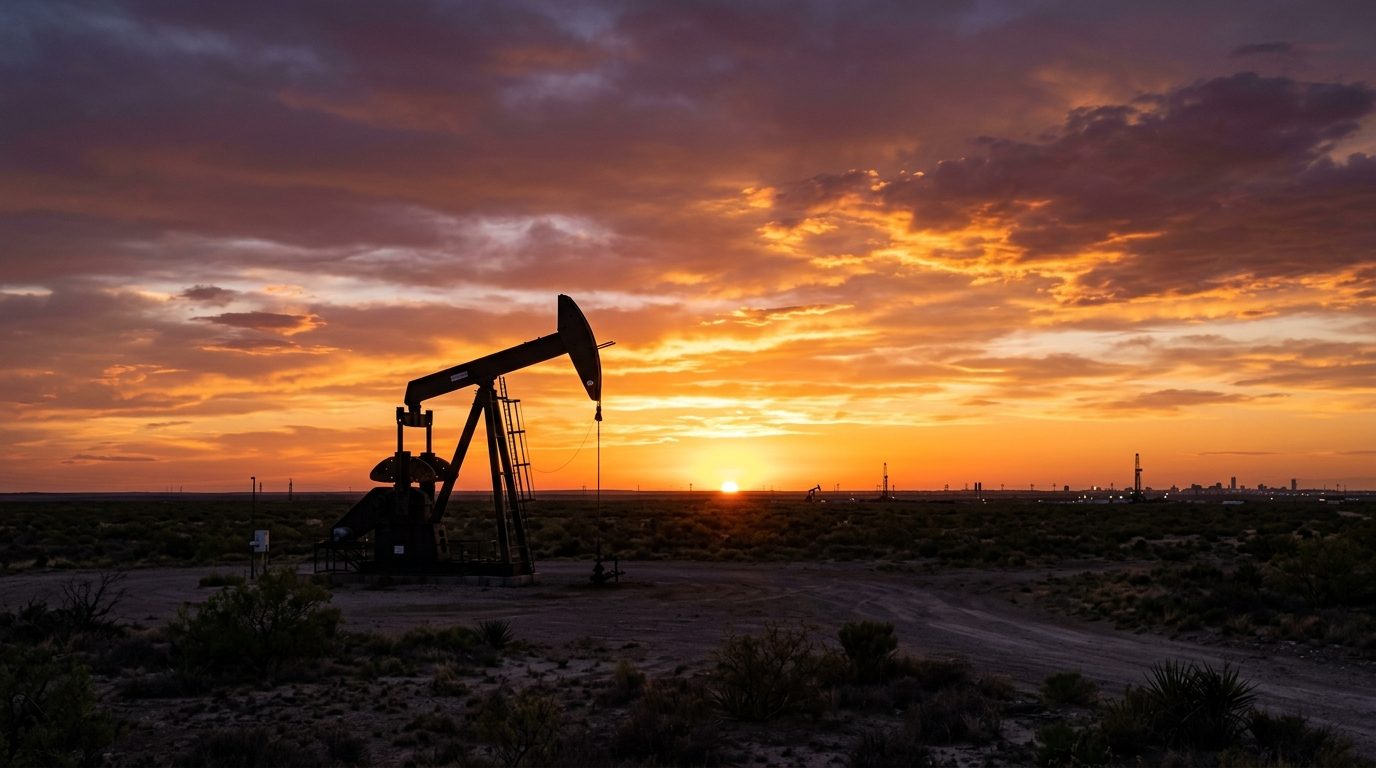
Midland sits on the flat, semi-arid plains of West Texas atop the Permian Basin, one of the most productive oil-and-gas regions in the world. Summers are hot, with dozens of days topping 90 degrees each year, while winters are mild and precipitation is modest and concentrated in the summer months. The city’s housing stock is comparatively young, with most of it dating from the second half of the 20th century onward, and its growth has always tracked the oil industry’s boom-and-bust rhythm rather than steady, linear expansion, with periods of rapid building alternating with long stretches where construction essentially stalled. That cyclical history is visible in the city’s building stock today, with clusters of construction from specific boom eras rather than a smooth progression of ages.
Northwest and west Midland, including established subdivisions along the Loop 250 corridor, form the metro’s newer, higher-amenity growth belt, drawing strong demand from oil-sector professionals and executives. East Midland and the older core areas mix more modest, older housing that offers a more affordable entry point relative to the newer west-side subdivisions. This west-side-new, east-side-older pattern is a defining and commonly understood feature of the local market, tied directly to where oil-industry wealth has concentrated over the decades.
The local economy is built almost entirely around oil and gas. Diamondback Energy is headquartered in Midland, and ConocoPhillips has a major presence following its acquisition of Midland-based Concho Resources. Chevron, ExxonMobil, Occidental, EOG Resources, and oilfield-services companies including Halliburton, Baker Hughes, SLB, Patterson-UTI, and ProPetro all maintain significant local operations, alongside pipeline operators such as Kinder Morgan and Plains All American. Outside of energy, Midland Independent School District, Midland Health, which operates Midland Memorial Hospital, Midland College, and city and county government are the metro’s largest non-energy employers.
Because the local economy is so tightly tied to oil prices, buyers should understand that Midland’s housing market has historically moved with the energy cycle more directly than most U.S. metros, a consideration for both timing a purchase and evaluating resale prospects. Water is a genuine constraint in this arid region: the city draws most of its supply from a reservoir system in the Colorado River Municipal Water District, which has faced drought-driven depletion, with the remainder coming from a well field in Winkler County, a factor worth understanding for any long-term ownership decision, particularly for properties with significant landscaping or irrigation needs. Texas has no state personal income tax, but combined property tax rates in Midland, covering city, county, school district, college, and hospital district levies, are assessed separately by each taxing entity, so buyers should confirm the total combined rate for a specific address rather than assume a single flat rate. Public transit is limited to a fixed-route and paratransit bus system connecting Midland and neighboring Odessa; most of the metro is car-dependent.
Cities and Towns in the Midland Metro Area
Notable Communities and Neighborhoods
Midland Real Estate Market FAQ
How is the Midland, TX housing market organized across the metro?
The market splits along a west-east line — newer, higher-amenity subdivisions in northwest and west Midland along the Loop 250 corridor, and more modest, older housing stock in east Midland and the older core.
Which parts of the Midland metro tend to carry higher prices?
Northwest and west Midland subdivisions along the Loop 250 corridor generally command more than east Midland and older core neighborhoods, reflecting newer construction and where oil-sector demand has concentrated.
What should buyers verify before purchasing in the Midland area?
Confirm the combined property tax rate for a specific address across all local taxing entities, and for any property with significant landscaping needs, understand the area’s water supply constraints given its arid climate.
Does the oil and gas industry directly affect the Midland housing market?
Yes — Midland’s economy and housing market have historically moved with the energy price cycle more directly than most U.S. metros, which is worth factoring into both purchase timing and long-term resale expectations.
Nearby Markets