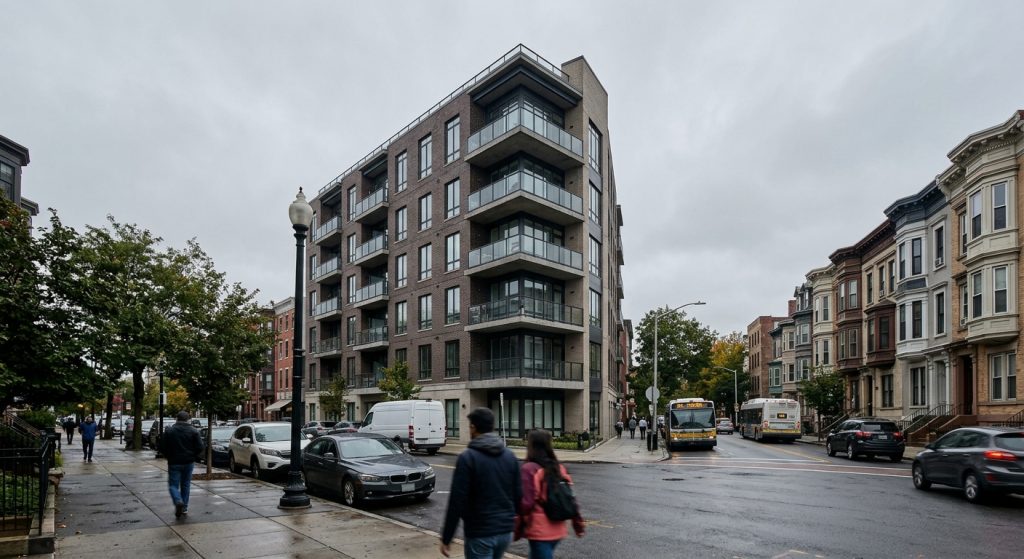
A West Philadelphia renter has filed what is reportedly the first lawsuit under Philadelphia’s ban on algorithmic rent-price coordination, according to a July 28 report by The Philadelphia Inquirer. The class-action suit, filed by tenant Yiyao Liu, names property manager Willow Bridge Property Co. and software company RealPage as defendants over rent pricing at the Vue32 apartment building.
The lawsuit alleges that Willow Bridge used RealPage’s rent-recommendation service, which the suit claims relies on rent and occupancy information from competing landlords that is not available to the public, in violation of Philadelphia’s ordinance, according to the Inquirer’s reporting. RealPage has not been proven to have violated the law, and the allegations remain unproven claims at this stage of litigation.
Philadelphia’s City Council unanimously passed the ban in October 2024, with Councilmember Nicolas O’Rourke introducing the legislation as what the Inquirer described as a preemptive move against the nationwide spread of rent-coordination software among corporate landlords. The ordinance took effect in February 2025 and bars landlords from coordinating rent prices with competitors or using software that facilitates such coordination.
RealPage told the Inquirer that its technology is “pro-competitive technology that has been used responsibly for years,” and the company declined to comment further on active litigation. Willow Bridge’s response to the allegations was not detailed in the Inquirer’s report.
The Philadelphia case follows a broader wave of legal and regulatory action against RealPage’s rent-setting software nationally. The U.S. Department of Justice sued RealPage and several landlords, including Willow Bridge, alleging the software facilitated antitrust violations by helping landlords coordinate pricing; RealPage settled with the DOJ in late 2025 without admitting guilt or paying a financial penalty, according to the Inquirer. Separately, Washington, D.C. secured $1.4 million in settlements from two other landlords accused of using RealPage software to inflate rents. San Francisco became the first U.S. city to ban algorithmic rent-setting in the summer of 2024, with Philadelphia following that fall.
The case adds to a broader debate over the use of pricing algorithms and AI tools across the rental housing industry, an issue RealtyWire has tracked as cities and states weigh competing approaches to regulating the technology. New York City’s own rent-stabilization system has faced separate scrutiny this year over how effectively it targets tenants most in need, part of a wider national conversation over how policy tools — regulatory or algorithmic — shape what renters actually pay.
What it means: The facts here are drawn from a single general-press source, the Philadelphia Inquirer, and are limited to what that outlet reported; RealtyWire has not independently reviewed the court filing. The allegations against Willow Bridge and RealPage are just that — allegations in a newly filed lawsuit, not established facts — and RealPage has publicly disputed the characterization of its software as anticompetitive. The case is nonetheless a genuine test of enforceability for the growing wave of local bans on algorithmic rent pricing, regardless of its ultimate outcome.