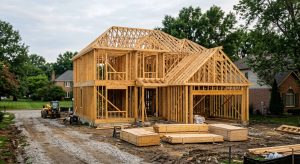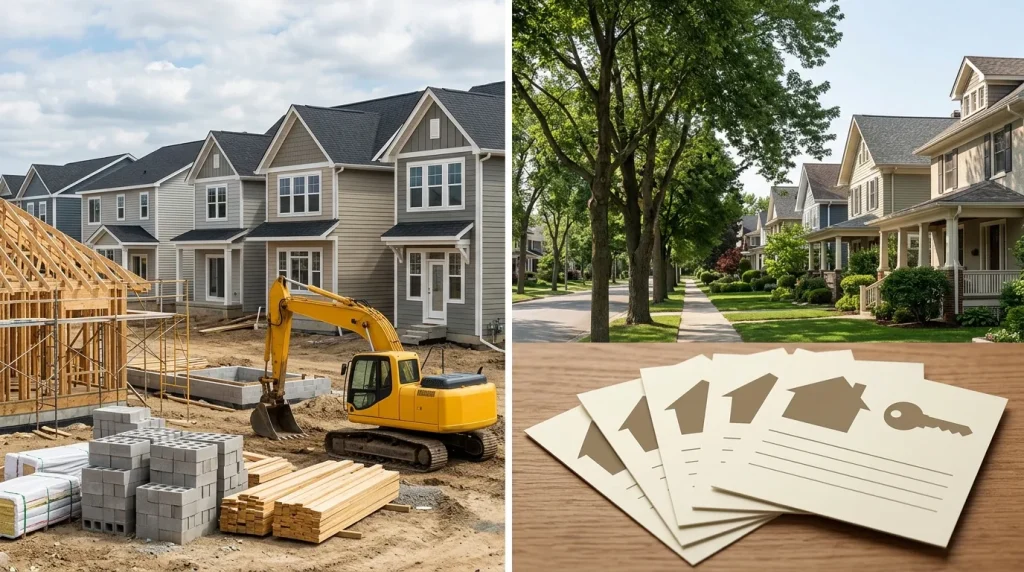
Homebuyers in 2026 are seeing two different housing markets: one for newly built homes and another for existing homes.
The difference is clearest in months of supply. Census/HUD reported that new homes for sale represented 10.3 months of supply in May 2026. NAR reported that existing homes had 4.5 months of supply in May. Those two numbers tell very different stories.
For buyers, that split can affect negotiating power. For sellers, it can affect pricing. For builders, it can determine whether incentives are needed to move inventory.
Key takeaways
- New homes had 10.3 months of supply in May 2026.
- Existing homes had 4.5 months of supply in May 2026.
- New-home sales were 580,000 SAAR in May.
- Existing-home sales were 4.17 million SAAR in May.
- New-home supply can be high even when resale supply is still relatively limited.
- Buyers should compare new construction and resale homes separately.
- Sellers of existing homes should monitor nearby builder competition.
Why months of supply matters
Months of supply estimates how long it would take to sell the current inventory at the current sales pace.
A higher months-of-supply number means buyers may have more choices and sellers may face more competition. A lower number usually means supply is tighter.
But months of supply depends on both inventory and sales pace. If sales slow, supply can rise even if the number of homes for sale does not change much.
That is what makes the new-home market look softer than the resale market right now.
New-home supply is elevated
Census/HUD reported that new single-family home sales fell to a 580,000 seasonally adjusted annual rate in May 2026, down 7.3% from April and 6.8% from May 2025. New houses for sale totaled 496,000, equal to 10.3 months of supply.
That level gives builders a reason to negotiate in some markets. If sales are slower and inventory is sitting, builders may use price cuts, mortgage-rate buydowns, closing-cost credits or upgrade packages.
NAHB’s June survey supports that point. It reported that 35% of builders cut prices and 62% used sales incentives.
Resale supply is tighter
The existing-home market is different.
NAR reported existing-home sales at a 4.17 million seasonally adjusted annual rate in May, up 3.2% from April and from a year earlier. NAR also reported 1.55 million units of inventory, equal to 4.5 months of supply.
That is more inventory than buyers saw during some of the tightest recent years, but it is still not the same as the new-home market.
Existing-home supply is constrained by homeowners who do not want to give up low mortgage rates, sellers waiting for better conditions and local inventory shortages in certain price ranges.
Why buyers experience two markets
A buyer shopping new construction may find builder incentives, finished inventory and more room to negotiate. A buyer shopping resale may find better locations, established neighborhoods and fewer builder-style discounts.
Neither market is automatically better. New construction may offer modern layouts, warranties, fewer immediate repairs, energy-efficient systems and builder incentives. Existing homes may offer established locations, mature neighborhoods, shorter move-in timelines, larger lots in some markets and potentially lower community costs.
What this means
For buyers, new-home supply vs. resale supply should be part of the search strategy. Compare both markets in the same price range. Ask what incentives are available from builders and what concessions resale sellers may consider.
For sellers, nearby new construction can be real competition. If a builder offers a rate buydown or closing-cost credit, an existing-home seller may need to compete with condition, location, price or concessions.
FAQ
Why is new-home supply higher than resale supply?
Builders may have more unsold inventory while existing homeowners remain reluctant to list or move. New-home supply also rises when sales slow.
What was new-home supply in May 2026?
Census/HUD reported 10.3 months of new-home supply in May 2026.
What was existing-home supply in May 2026?
NAR reported 4.5 months of existing-home supply in May 2026.
Does higher new-home supply mean builders will cut prices?
Not always, but elevated supply can increase the use of incentives. NAHB reported that 35% of builders cut prices in June and 62% used incentives.
Should buyers choose new construction or resale?
Buyers should compare total cost, location, incentives, repairs, HOA dues, taxes, insurance and timing before deciding.
Sources
- Census/HUD New Residential Sales, May 2026
- NAR Existing-Home Sales, May 2026
- NAHB Housing Market Index and Builder Incentives, June 2026