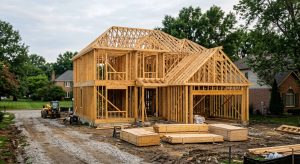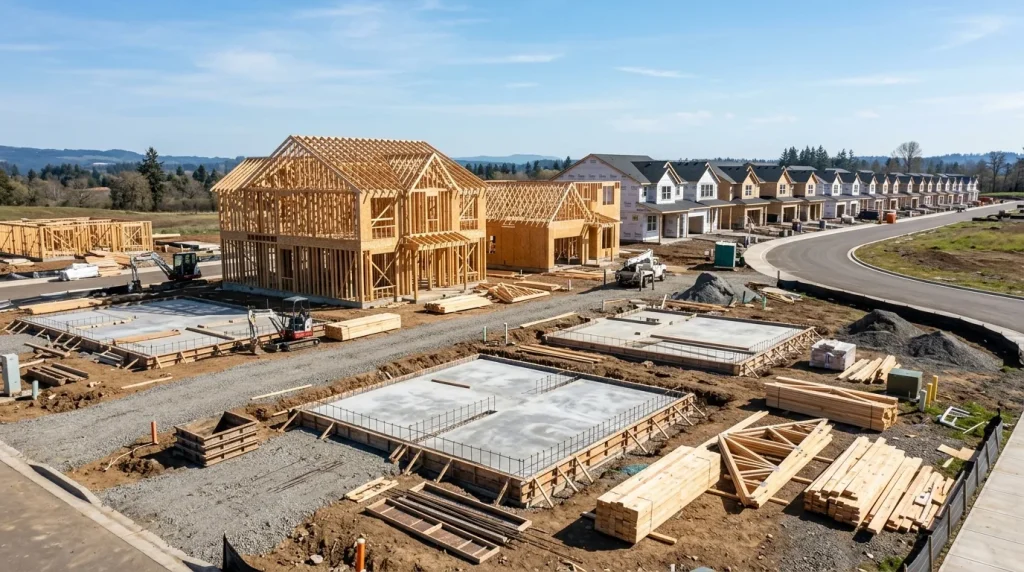
Housing starts are one of the most important early signals in the housing market because they show how much new supply builders are beginning today.
In May 2026, that signal weakened. Census/HUD reported that privately owned housing starts fell to a seasonally adjusted annual rate of 1.177 million, down 15.4% from April and 8.7% from May 2025. Single-family starts were 882,000, down 1.9% from April, while starts in buildings with five units or more fell more sharply.
For buyers, sellers, builders and investors, the question is not only what happened in May. It is what a construction pullback could mean for future inventory.
Key takeaways
- May 2026 housing starts fell 15.4% from April to 1.177 million SAAR.
- Single-family starts were 882,000.
- Building permits were 1.413 million.
- Housing completions were 1.313 million.
- Census/HUD cautions that month-to-month construction data can be irregular and may take several months to show an underlying trend.
- A construction slowdown can reduce future supply even if today’s new-home inventory is elevated.
- Buyers should watch starts, permits and completions together, not separately.
What are housing starts?
Housing starts measure new residential construction that has begun. They are different from building permits and completions.
A permit shows a builder has permission to build. A start shows construction has begun. A completion shows the unit is finished and ready, or nearly ready, to enter the housing stock.
That timeline matters. A drop in housing starts today does not immediately reduce the number of homes available for sale or rent. But it can affect supply months or years later, depending on the type of housing and construction timeline.
May data showed a pullback
Census/HUD reported three key construction numbers for May 2026:
| Indicator | May 2026 SAAR | What it means |
|---|---|---|
| Building permits | 1.413 million | Future construction pipeline |
| Housing starts | 1.177 million | Construction newly underway |
| Housing completions | 1.313 million | Units reaching the market |
Building permits were down 0.7% from April and nearly flat from a year earlier. Housing starts fell much more sharply, while completions also declined from April and from a year earlier.
That combination suggests builders are not abandoning the market, but they are moving cautiously.
Why starts matter for future supply
The U.S. has spent years dealing with housing shortages in many markets. Even when inventory improves, a prolonged pullback in construction can create future pressure.
If starts slow too much, there may be fewer homes entering the market later. That can matter for both buyers and renters. It can also affect affordability if demand remains steady and supply tightens again.
The short-term picture can look very different. New-home supply was elevated in May, with Census/HUD reporting 496,000 new houses for sale and 10.3 months of supply at the current sales pace.
That means builders may feel pressure today while the broader market still needs more supply over the long term.
Why builders are cautious
Builders are dealing with a difficult mix: high mortgage rates, high construction costs, cautious buyers and competition from existing homes.
NAHB’s June Housing Market Index fell to 35, meaning more builders viewed conditions as poor than good. NAHB also reported that 35% of builders cut prices in June and 62% used sales incentives.
When builders lose confidence, they may delay new projects, slow starts or focus on selling existing inventory before beginning more homes.
What this means
For buyers, fewer starts may not help immediately. There are still new homes for sale in many markets. But if builders pull back for several months, future options could shrink.
For sellers, slower construction may reduce future competition, especially in markets where builders have been pressuring resale listings with incentives.
For policymakers, construction pullbacks matter because affordability depends on supply. A market cannot fix long-term affordability with demand-side solutions alone.
FAQ
What are housing starts?
Housing starts measure residential units where construction has begun. They are a leading indicator of future housing supply.
Did housing starts fall in 2026?
Yes. Census/HUD reported May 2026 housing starts at 1.177 million SAAR, down 15.4% from April.
Are building permits the same as housing starts?
No. A permit authorizes construction, while a start means construction has begun.
Why do housing starts matter for homebuyers?
Housing starts affect future supply. If starts stay low, buyers may face fewer new-home options later.
Does one month of lower starts prove a construction downturn?
No. Census/HUD cautions that construction data can be irregular and may take several months to show an underlying trend.
Sources
- Census/HUD New Residential Construction, May 2026
- Census/HUD New Residential Construction PDF
- Census/HUD New Residential Sales, May 2026
- NAHB Housing Market Index, June 2026