
Current real estate market data, news and analysis for the Naples-Marco Island, FL metropolitan area — 417,131 residents across Collier county.
Data as of May 2026. Sources: Redfin Data Center, U.S. Census Bureau.
Latest Naples Real Estate News
Naples Real Estate Market Overview
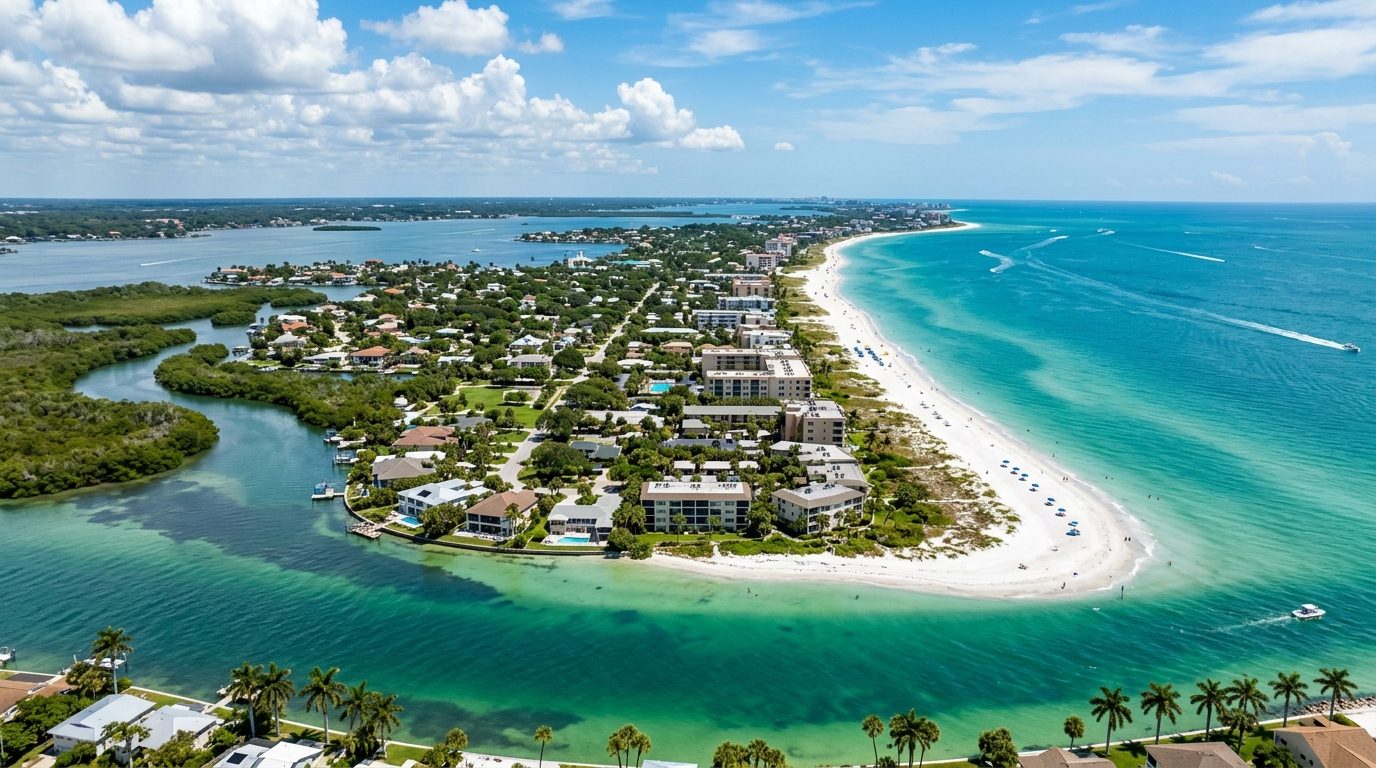
Naples and Marco Island sit on the Gulf of Mexico coast in far southwest Florida, with Big Cypress National Preserve and the Everglades forming the metro’s eastern edge. The land is flat and low-lying, threaded with canals, mangrove estuaries, and preserved wetlands that shape where and how development can occur. Marco Island is a barrier island connected to the mainland by causeways, while the city of Naples hugs a shoreline of sandy beaches. The town of Everglades, once the county seat, sits at the edge of Everglades National Park and retains a fishing-village character distinct from the resort development to its north. Housing stock ranges from older bungalows in historic beachside neighborhoods to Gulf-front high-rise condominiums, gated golf-course subdivisions, and newer inland master-planned communities built around lakes and preserved open space.
Within the metro, value generally tracks proximity to the Gulf and to Naples’s historic downtown core. Neighborhoods directly on or near the water, especially those with private beach access, deep-water boating access, or unobstructed Gulf views, sit at the top of the market because buildable waterfront land is limited. Areas set back from the coast, along the inland canal and lake systems that run through Naples and Marco Island, price below true beachfront but still carry a premium for water access. Golf-course communities span a wide range: older, established clubs closer to the coast tend to price above newer developments farther inland, where communities trade proximity to the beach for larger lots and newer construction. Areas along the region’s eastern corridors and parts of East Naples tend to offer more attainable housing removed from the immediate coastline.
The local economy centers on tourism, health care, and services tied to a large seasonal and retiree population. Hotels, restaurants, golf clubs, and marine-related businesses employ a substantial share of the workforce, with activity rising during the winter season as seasonal residents return. Health care is a major sector, anchored by Naples Comprehensive Health. Arthrex, a global orthopedic medical device manufacturer, is headquartered in Naples and operates a large campus for manufacturing, research, and surgeon training, making it one of the area’s largest private employers outside tourism and health care. Collier County government and its school district are also significant employers, and real estate, construction, and property services form another core piece of the local economy.
Florida levies no state personal income tax, which draws retirees and remote workers to the area, though property taxes, insurance costs, and community fees vary by location. Hurricane exposure is a defining feature of the metro: the coastline sits directly in the path of the Atlantic hurricane basin, storm surge risk is significant given the area’s low elevation, and flood insurance is a serious consideration for many properties regardless of whether a lender requires it. Buyers should check FEMA flood zone designation and elevation, since insurance premiums can vary widely between similar-looking homes depending on construction date and flood zone. Public transit is limited and most residents rely on personal vehicles. Much of the newer development occurs through master-planned communities governed by community development districts or homeowners associations, which levy their own assessments, so buyers should review those fees and rules separately from standard closing costs. Given the county’s environmental sensitivity, buyers should also verify conservation easements before purchasing undeveloped or waterfront land.
Cities and Towns in the Naples Metro Area
Notable Communities and Neighborhoods
Naples Real Estate Market FAQ
How is the Naples-Marco Island housing market organized geographically?
The metro is anchored by the city of Naples along the Gulf coast, the barrier island of Marco Island to the south, and the small town of Everglades near Everglades National Park, with unincorporated Collier County filling in the rest. Much of the newer housing sits inside gated, master-planned communities and golf clubs governed by their own homeowners associations or community development districts, alongside older established neighborhoods closer to downtown Naples and the coastline.
Which areas of the metro tend to be pricier, and why?
Homes directly on or near the Gulf, with private beach access or deep-water boat access, command the highest prices because waterfront land is limited and cannot be replicated. Inland canal and lake-front homes carry a smaller premium for water access, while golf-course communities vary widely depending on how established the club is and how close it sits to the coast. Areas farther inland and to the east generally offer more attainable pricing.
What should buyers verify locally before purchasing in this metro?
Buyers should confirm a property’s FEMA flood zone and elevation, obtain quotes for both homeowners and flood insurance before making an offer, and review any homeowners association or community development district fees, rules, and reserve funding separately from standard closing costs. For land near wetlands or the coast, checking conservation easements and local zoning is also worthwhile.
How significant is hurricane and flood risk in this market?
Hurricane risk is a central factor in this market given the coastal, low-elevation location directly in the path of the Atlantic hurricane basin. Storm surge and wind exposure affect insurance availability and cost, and flood insurance is a serious consideration for many properties even where a lender does not require it. Insurance costs and coverage terms can differ significantly between homes depending on construction date, elevation, and flood zone, so buyers should treat insurance research as a core part of due diligence rather than an afterthought.
Nearby Markets