
Current real estate market data, news and analysis for the Johnstown, PA metropolitan area — 128,968 residents across Cambria county.
Data as of May 2026. Sources: Redfin Data Center, U.S. Census Bureau.
Latest Johnstown Real Estate News
Coverage of this market is coming soon. Browse all housing market news.
Johnstown Real Estate Market Overview
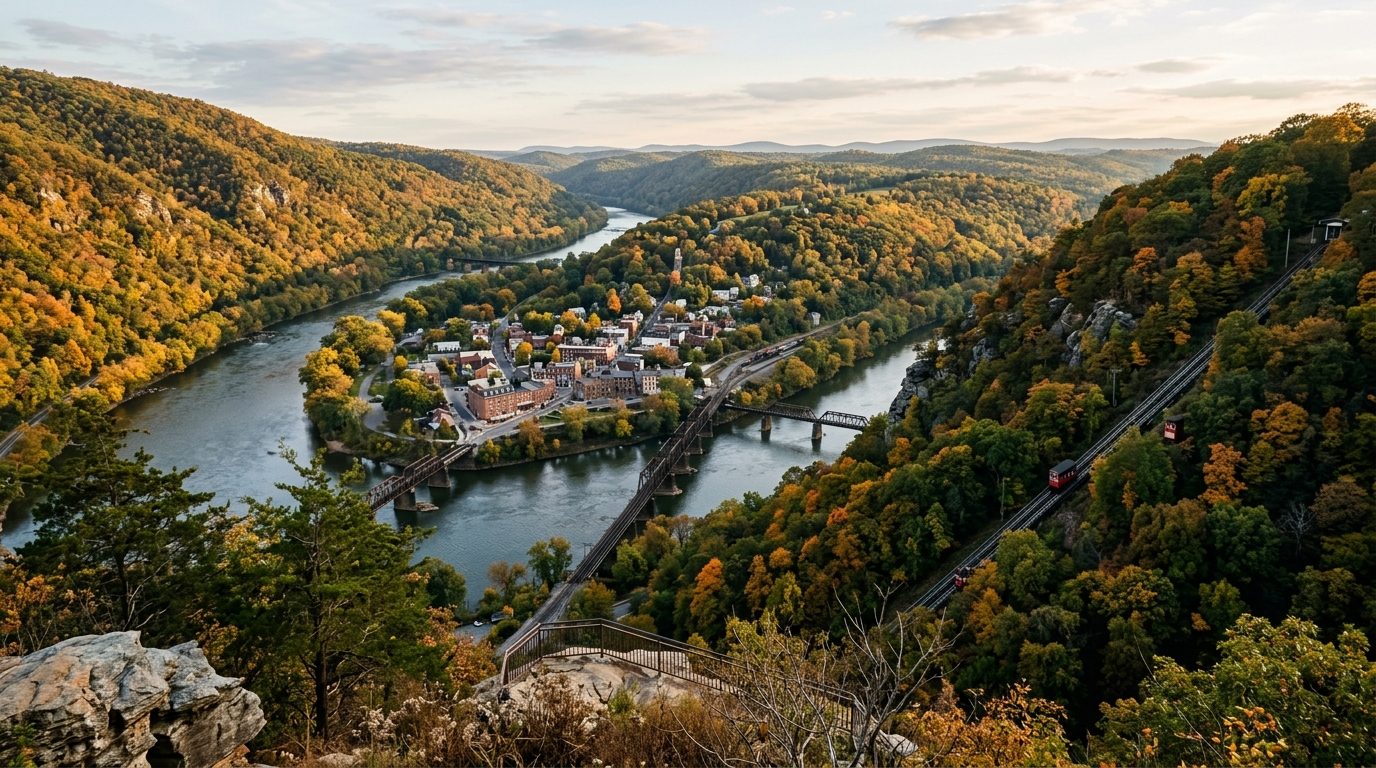
Johnstown sits at the confluence of the Little Conemaugh, Stonycreek, and Conemaugh rivers in the Allegheny Mountains of the Laurel Highlands, its downtown squeezed into a narrow river valley with steep hillsides climbing sharply on nearly every side. The metro developed around Cambria Iron and later Bethlehem Steel, and its housing stock reflects that industrial-era growth: frame and brick worker cottages, foursquares, and rowhouses built close together on narrow lots, many predating the mid-twentieth century. Away from the valley floor, hillside boroughs reached by switchback streets or the historic inclined plane hold larger detached homes on wooded lots. Vacant and aging structures remain part of the picture in older city neighborhoods, a legacy of the region’s long industrial contraction.
Elevation relative to the valley floor is the clearest dividing line between higher- and lower-priced areas. Hilltop and hillside boroughs that were purpose-built above the flood-prone valley after historic flooding, along with outlying municipalities farther from the old industrial core, tend to command stronger demand because they combine detached housing, tree-lined streets, and distance from the river channel. The valley-floor neighborhoods closer to downtown and the historic industrial corridor, where housing is older, denser, and packed tightly along the rivers, generally sit at the lower end of the market, reflecting both their exposure to the valley’s flood history and the age of the building stock.
The economy has diversified away from its steel-making past toward healthcare, education, and advanced manufacturing tied to defense work. Conemaugh Health System operates the region’s largest hospital network and ranks among the metro’s largest employers, and UPMC also maintains a clinical presence locally. The University of Pittsburgh at Johnstown anchors higher education and feeds graduates into area employers. Concurrent Technologies Corporation, a nonprofit applied-research and engineering organization with deep ties to federal and defense work, and JWF Industries, a precision-manufacturing firm serving defense and industrial clients, are notable private employers, alongside Martin-Baker’s local manufacturing operation. Cambria County government, area school districts, and remaining steel-adjacent producers such as Gautier Steel round out the base, though the metro no longer depends on a single dominant industrial employer the way it once did under Bethlehem Steel.
Flood risk is a real and recurring factor in this market rather than a historical footnote: the valley experienced catastrophic floods in 1889, 1936, and 1977, and a U.S. Army Corps of Engineers channel built through downtown after the 1936 flood still requires periodic maintenance to keep the rivers contained. Properties on or near the valley floor can fall within mapped flood zones, which affects insurance requirements for federally backed mortgages, so buyers should confirm a property’s flood-zone status directly rather than assuming based on neighborhood reputation. The steep terrain also means slope stability, drainage, and retaining walls are worth a structural look on hillside lots. The city of Johnstown itself only recently exited Pennsylvania’s Act 47 distressed-municipality program after decades under state financial oversight, so buyers should check current municipal and school-district tax rates and any outstanding infrastructure obligations before purchasing. Public transit is limited to a small county bus system and the historic inclined plane funicular connecting the valley floor to a hillside borough.
Cities and Towns in the Johnstown Metro Area
Notable Communities and Neighborhoods
Johnstown Real Estate Market FAQ
How is the Johnstown, PA housing market organized geographically?
The metro is built around a narrow, Y-shaped river valley where the Little Conemaugh, Stonycreek, and Conemaugh rivers meet, with the city and older industrial neighborhoods on the valley floor and a ring of hillside and outlying boroughs on the surrounding high ground. Housing character shifts noticeably between the two: dense, older attached and semi-attached homes in the valley versus more spread-out detached housing on the hills and in outlying municipalities.
Which parts of the Johnstown metro tend to be priced higher, and why?
Hillside and hilltop boroughs that sit above the valley floor generally command stronger demand, largely because they were historically developed as flood-free alternatives to the river valley and offer more detached homes, larger lots, and distance from the industrial river corridor. Neighborhoods closer to downtown and the rivers, with older and denser housing, tend to sit at the more affordable end of the market.
What should buyers verify locally before purchasing in the Johnstown area?
Buyers should confirm a property’s flood-zone designation and any associated insurance requirement directly with local or federal flood maps rather than relying on general neighborhood reputation, check current municipal and school-district tax rates since these vary by borough and township, and have older homes inspected for age-related structural issues and, on hillside lots, slope stability and drainage.
Does Johnstown have meaningful flood risk today, or is that just historical?
Flood risk remains an active consideration, not just a historical one. The valley floor sits within mapped flood zones tied to the rivers that produced major floods in 1889, 1936, and 1977, and a federal flood-control channel through downtown requires ongoing maintenance to keep the rivers contained, so properties near the valley floor can carry flood insurance requirements that hillside properties typically do not.
Nearby Markets