Build-to-rent housing sits between two major housing trends: many households want single-family space, but many cannot or do not want to buy.
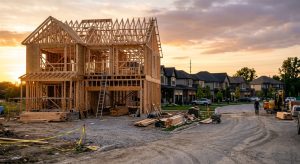
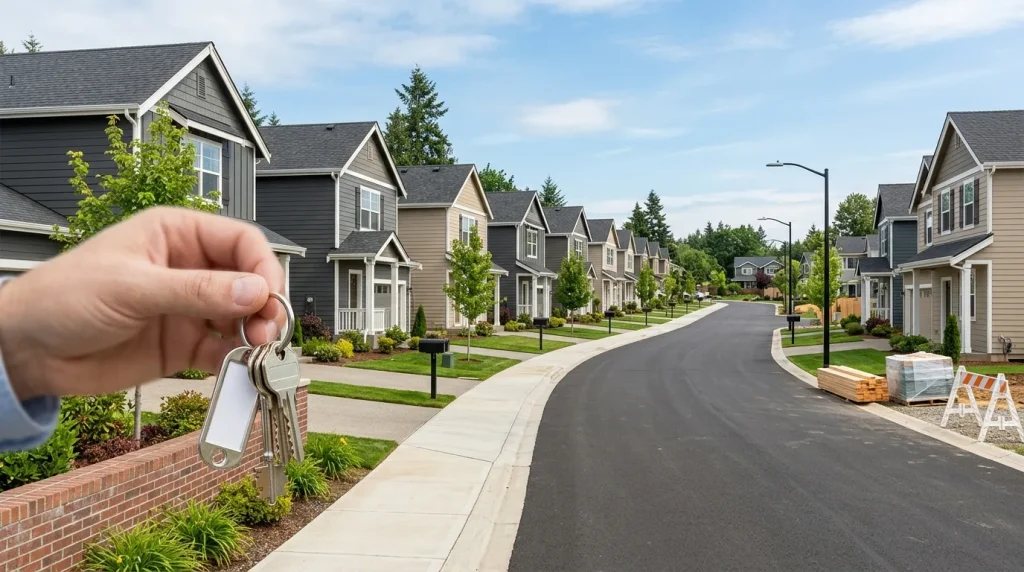
Build-to-rent, often called BTR or single-family built-for-rent, refers to newly built single-family homes or townhomes designed from the start as rental housing. These communities can offer yards, garages, privacy and neighborhood-style layouts, while still operating like rental communities.
CBRE describes build-to-rent communities as new residential communities that increase U.S. housing supply and serve renters who want features not typically offered in traditional multifamily properties.
Key takeaways
- Build-to-rent homes are newly built homes designed to be rented, not sold.
- BTR differs from buying existing homes and converting them to rentals.
- NAHB reported about 14,000 single-family built-for-rent starts in Q1 2026.
- That was down from about 19,000 in Q1 2025.
- Over the prior four quarters, NAHB estimated 62,000 BTR starts, down 26% from the prior four-quarter period.
- Higher financing costs, multifamily supply and policy uncertainty have slowed BTR construction.
- BTR can add rental supply, but investors must watch local oversupply and rent growth.
What is build-to-rent housing?
Build-to-rent housing is purpose-built rental housing in a single-family or townhouse format.
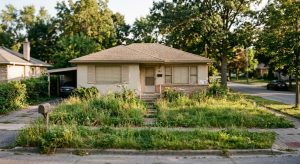
NAHB draws an important distinction between built-for-rent housing and “flip-for-rent” housing. Built-for-rent adds to the housing stock, while flip-for-rent converts for-sale housing into rentals. NAHB says built-for-rent product can meet demand for rental units with amenities different from traditional apartments.
That distinction matters in policy debates. Buying existing homes to rent can compete with owner-occupant buyers. Building new rental homes adds housing supply, even if the homes are rented rather than sold.
Why renters want BTR
Many renters want more space but are not ready or able to buy.
BTR communities may appeal to families who want a yard, renters with pets, households priced out of ownership, relocating workers, people who want a garage, renters who want newer construction and older adults who want single-family living without ownership responsibilities.
NAHB says single-family built-for-rent housing can provide flexibility compared with buying, along with amenities such as yards and garages that many large apartments do not offer.
BTR construction has slowed
BTR is still relevant, but the pace has cooled.
NAHB reported that single-family built-for-rent construction fell back in Q1 2026. According to NAHB’s analysis of Census Bureau data, there were about 14,000 single-family built-for-rent starts in the first quarter of 2026, down from 19,000 in Q1 2025. Over the prior four quarters, 62,000 such homes began construction, down 26% from the 84,000 estimated starts in the prior four-quarter period.
NAHB pointed to higher financing costs, increased multifamily supply and policy concerns related to institutional capital as factors that froze parts of the development market at the beginning of 2026.
Why developers still care
Despite the slowdown, developers still see a structural demand case.
Homeownership remains expensive, many renters want single-family features, and some households prefer rental flexibility. At the same time, the broader rental market has softened in many places because of new apartment supply.
Harvard’s Joint Center for Housing Studies reported that rental demand slowed and the rental market softened after a wave of new apartment supply, but also noted that housing cost burdens remain widespread.
For BTR developers, that creates a more selective market. Demand exists, but projects must be underwritten carefully.
Risks for BTR investors
BTR is not risk-free.
Key risks include local oversupply, weak rent growth, high construction costs, high debt costs, property tax increases, insurance costs, lease-up risk, maintenance costs, competition from apartments and policy uncertainty around institutional ownership.
A BTR community may perform well in a market with strong job growth, limited attainable for-sale housing and few competing deliveries. The same project may struggle in a market where many apartments and BTR communities deliver at once.
What this means
Build-to-rent housing is not just an investor trend. It is part of the broader housing supply conversation.
For renters, BTR can offer single-family living without a mortgage. For developers, it can serve demand that traditional apartments do not fully capture. For policymakers, the key distinction is whether new supply is being added or existing owner-occupied homes are being converted.
In 2026, the BTR story is not pure growth. It is a more disciplined market where financing, local supply and rent growth matter more than the headline demand narrative.
FAQ
What is build-to-rent housing?
Build-to-rent housing refers to newly built single-family homes or townhomes designed to operate as rental housing.
Is build-to-rent the same as single-family rental?
It is part of the single-family rental market, but BTR specifically refers to newly built rental communities rather than scattered existing homes.
Is build-to-rent construction slowing?
Yes. NAHB reported about 14,000 single-family built-for-rent starts in Q1 2026, down from 19,000 in Q1 2025.
Why do renters choose build-to-rent homes?
Renters may choose BTR for yards, garages, more space, newer construction and flexibility compared with buying.
Does build-to-rent help housing supply?
It can, because purpose-built rental homes add new housing units. That differs from converting existing for-sale homes into rentals.
Sources with clickable URLs
- NAHB Eye on Housing — Single-Family Built-to-Rent Slowed at Start of 2026
- NAHB — Single-Family Built-for-Rent Housing Resource
- CBRE — Build-to-Rent Overview
- Harvard Joint Center for Housing Studies — America’s Rental Housing 2026 Takeaways