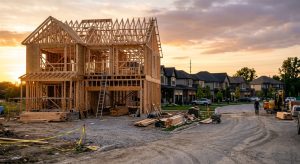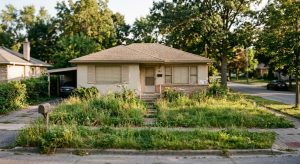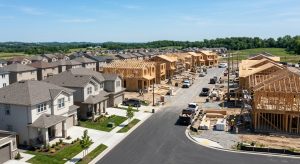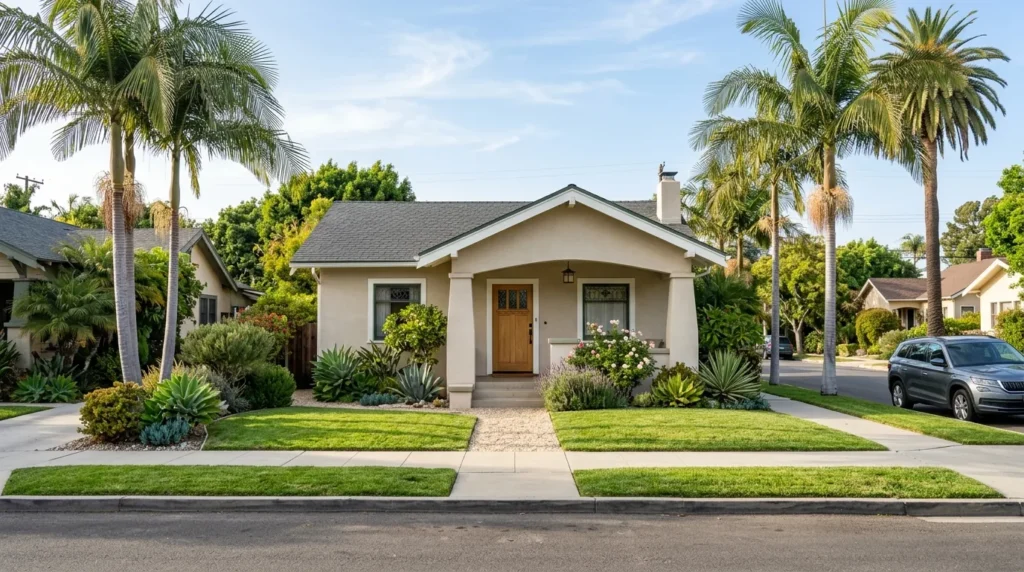
A record 242 U.S. cities now have typical starter homes worth at least $1 million, up from 226 in 2025 and just 80 in February 2020, according to Zillow. California accounts for 105 of them.
The national typical starter home is worth $198,649 — a figure that, placed beside the $1 million threshold, describes two housing markets operating in the same country.
Key facts
- Cities with $1M+ typical starter homes: 242, a record.
- Prior years: 226 in 2025; 80 in February 2020.
- California: 105 cities, about 43% of the national total.
- National typical starter-home value: $198,649.
Tripling in six years
The move from 80 cities in February 2020 to 242 today is roughly a threefold increase in about six years.
That is the clearest available measure of how far affordability pressure has spread geographically. In 2020, million-dollar entry-level housing was a genuine outlier confined to a small number of very expensive coastal communities. It is now a feature of 242 municipalities.
The pace also indicates this was not a gradual drift. The bulk of the change occurred during the pandemic-era price surge and has not reversed. Prices in these markets plateaued rather than retreated, which locked the elevated baseline into place.
The $198,649 national figure is the more important number
A national typical starter home worth $198,649 against a $1 million threshold produces a ratio of roughly five to one.
That gap is the actual finding. The United States does not have a single starter-home market; it has a small number of extremely expensive metros and a much larger set of markets where entry-level housing remains within reach of a median income.
It also complicates national policy discussion. A federal affordability measure calibrated to conditions in coastal California would misdescribe most of the country, while one calibrated to the national typical value would fail the households under the most acute pressure. The problem is real in both places and requires different responses.
California’s concentration reflects supply, not demand
That 105 of 242 cities sit in one state is not primarily about California being desirable — desirability is widespread. It reflects how little housing California has permitted relative to job growth over decades.
When employment expands and housing supply does not, price absorbs the difference. Entry-level housing absorbs it hardest, because buyers competing at the bottom of a constrained market have the least capacity to outbid and the fewest substitutes.
The consequence is that “starter home” ceases to describe a life stage and becomes a price band that entry-level buyers cannot enter. Households that would historically have bought a first home instead rent longer, buy later, or leave the state — which is a meaningful driver of the interstate migration reshaping Sun Belt markets.
What it means
For first-time buyers in high-cost metros, the practical calculus increasingly involves geography. The same income supports dramatically different housing outcomes across markets, and remote or hybrid work has made that trade-off available to more households than before.
For agents in affected markets, the entry-level client profile has changed. Buyers at a $1 million starter price point typically bring dual professional incomes, family assistance or equity from a prior sale — a fundamentally different consultation from a traditional first-time purchase.
For everyone else, the figure is a useful corrective against national headlines. Most of the country is not buying million-dollar starter homes, and broad affordability claims should be checked against local data — the point we make in our analysis of whether home prices are actually falling in 2026.
—