
Current real estate market data, news and analysis for the Pocatello, ID metropolitan area — 91,591 residents across Bannock county.
Data as of May 2026. Sources: Redfin Data Center, U.S. Census Bureau.
Latest Pocatello Real Estate News
Coverage of this market is coming soon. Browse all housing market news.
Pocatello Real Estate Market Overview
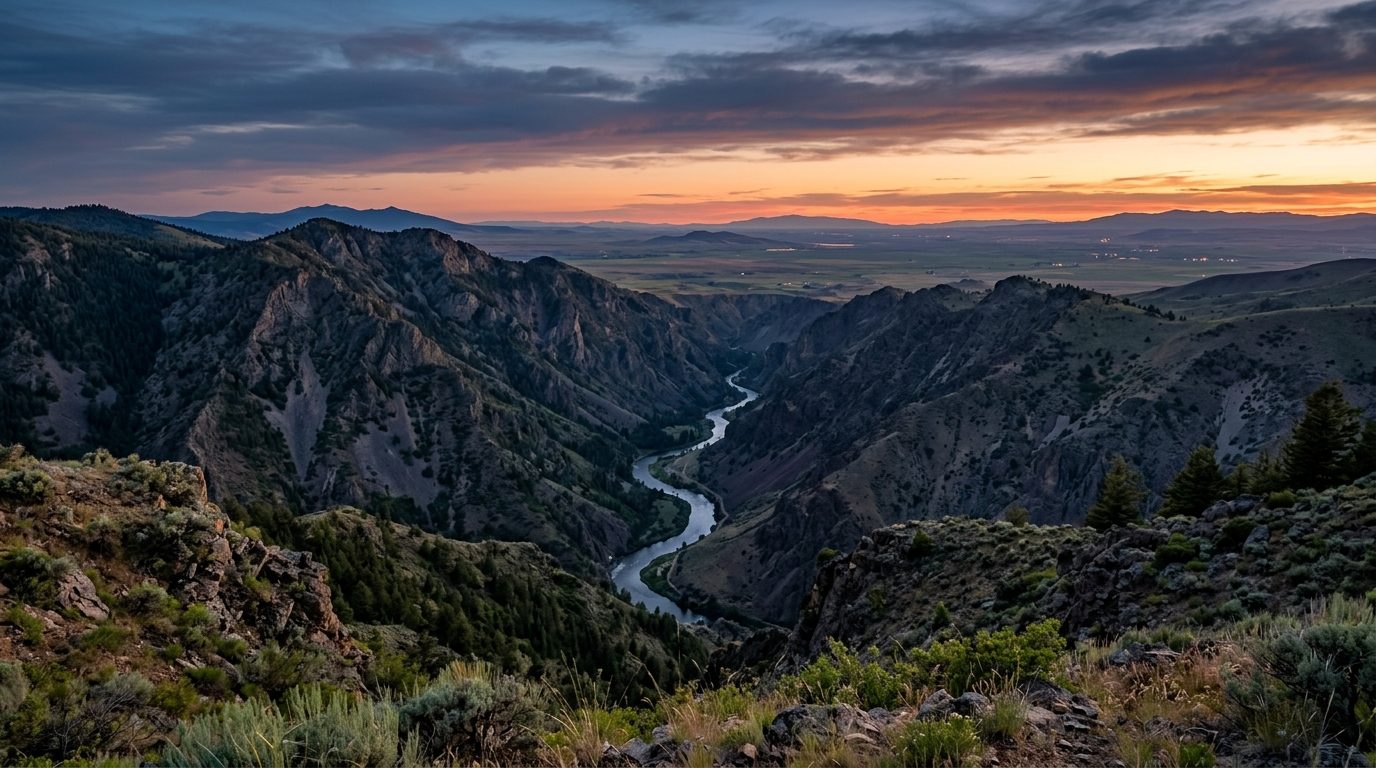
Bannock County sits where the Snake River Plain meets the Rocky Mountains, with Pocatello itself wedged into the Portneuf Valley between the Bannock Range and the Portneuf Mountains and Chubbuck spreading out onto the flatter, more agricultural plain to the north and west. The climate is a genuine four-season mountain-valley pattern, with cold, snowy winters and warm, dry summers rather than the milder high-desert conditions found farther south in the state. Housing stock reflects that layered history: early-1900s bungalows and Colonial Revival homes cluster downtown and near Idaho State University, mid-century ranch homes fill the established benches, and newer ranch and two-story construction climbs the eastern foothills and spreads across the flatter ground around Chubbuck. The smaller outlying towns — Inkom, McCammon, Arimo, Downey, and Lava Hot Springs — are rural canyon or small-valley communities with older farmhouses, modest single-family homes, and acreage properties, with Inkom’s growth naturally limited by its canyon setting.
Highland, Pocatello’s east bench, is generally the most sought-after part of the city, with newer construction, planned subdivisions, and hillside or valley views. Chubbuck has become a strong mid-range option, with flat, newer subdivisions and active development that offers more space at a comparatively lower cost than Highland. The Old Town and Alameda neighborhoods near downtown and the university carry older, smaller, denser housing stock, including a meaningful share of rental and student housing. The small outlying towns of Arimo, Downey, and McCammon tend to be the most affordable, trading a longer commute for larger lots and a rural setting, while Lava Hot Springs has its own resort-town dynamic driven by tourism and second-home demand that can push its pricing outside the usual small-town pattern.
Idaho State University is the metro’s anchor institution, both as a major employer and as a steady source of housing demand near campus. Portneuf Medical Center, a tertiary referral and trauma hospital, is one of the area’s largest employers, and manufacturing has a real local presence through an ON Semiconductor plant and longstanding agribusiness operations tied to J.R. Simplot Company. Amy’s Kitchen operates a food-manufacturing facility in the area, and Union Pacific’s historic role as a rail hub still shapes parts of the local economy. Education, health services, manufacturing, agriculture and food processing, and transportation together make up the core of the job base.
Wildfire is a real consideration on the dry rangeland and canyon edges around the city, and buyers near the foothills or canyon terrain should ask about defensible space and insurability. Winters bring genuine mountain-valley snow and cold, so heating systems, roof snow-load design, and road maintenance on hillside properties are worth checking before buying. Idaho offers a homeowner’s property tax exemption that owner-occupants must apply for through the Bannock County Assessor, along with a separate reduction program for qualifying seniors and disabled owners. Pocatello Regional Transit runs a modest network of fixed routes across the urbanized area, and each town in the county — Pocatello, Chubbuck, Inkom, Lava Hot Springs, and the rest — sets its own zoning and annexation rules, so buyers should confirm local zoning, floodplain status along the Portneuf River, and water rights on any rural parcel.
Cities and Towns in the Pocatello Metro Area
Notable Communities and Neighborhoods
Pocatello Real Estate Market FAQ
How is the Pocatello-area housing market organized?
Pocatello and Chubbuck form the urban core, with Pocatello’s east bench and downtown/university areas offering older and higher-end options and Chubbuck offering newer, flatter subdivisions. Smaller towns like Inkom, McCammon, Arimo, Downey, and Lava Hot Springs sit in the surrounding canyons and valleys and each set their own local rules.
Which parts of the metro tend to be pricier?
Highland, on Pocatello’s east bench, generally commands the highest prices thanks to newer construction and hillside views, with Chubbuck’s newer subdivisions close behind at a somewhat lower cost. Older neighborhoods near downtown and the university tend to be more affordable but include a larger share of rental and student housing.
What should buyers verify before purchasing here?
Anyone looking near the foothills or canyon edges should ask about wildfire risk, defensible space, and insurability, since dry rangeland surrounds much of the valley. It’s also worth confirming floodplain status along the Portneuf River and water rights or irrigation details on any rural or outlying property.
What is the biggest region-specific risk for homeowners here?
Wildfire exposure on the surrounding rangeland and canyon terrain is the most distinctive local risk, alongside genuine mountain-valley winters that put real demands on heating systems and roof design. The region also sits in a moderate seismic zone, which is worth a second look for older, unreinforced buildings in the historic districts.
Nearby Markets