
Current real estate market data, news and analysis for the Lafayette-West Lafayette, IN metropolitan area — 228,468 residents across Benton, Carroll, Tippecanoe and Warren counties.
Data as of May 2026. Sources: Redfin Data Center, U.S. Census Bureau.
Latest Lafayette Real Estate News
Coverage of this market is coming soon. Browse all housing market news.
Lafayette Real Estate Market Overview
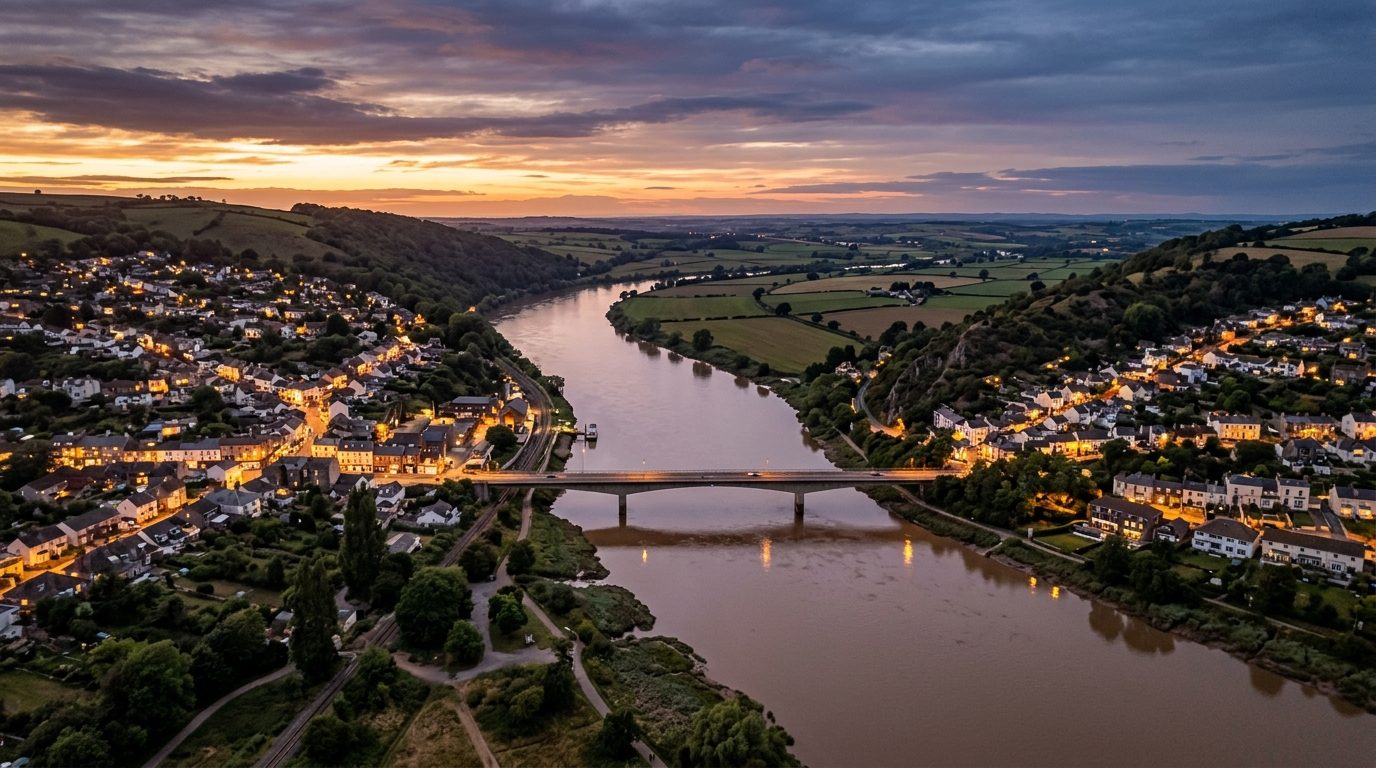
The Wabash River splits this metro’s two core cities, with Lafayette on the east bank and West Lafayette on the west, set within a mostly flat-to-gently-rolling till plain typical of west-central Indiana farm country. West Lafayette itself has real topography for the region, rising from the river’s floodplain up to bluffs on its northern edge. Housing stock reflects that split history: Lafayette’s core holds several National Register historic districts of nineteenth-century homes, West Lafayette mixes early-twentieth-century neighborhoods near Purdue’s campus with newer subdivisions and large purpose-built student housing, and the small farm towns spread across the outlying counties hold older, modest housing on flat agricultural land.
West Lafayette carries a premium overall, helped by a highly regarded local school system and easy walkability to Purdue, and within it both the established neighborhoods closest to campus and the newer larger-lot subdivisions further out sit toward the top of the local market, while low-lying parcels near the Wabash floodplain trade at a discount to higher, set-back ground. In Lafayette, the historic districts near downtown carry their own premium for architectural character, distinct from older neighborhoods that grew up closer to the city’s industrial base. A growing corridor in the southwest part of the metro offers newer, more moderately priced subdivision construction outside the two core cities, and the small towns spread across the outlying rural counties are consistently the most affordable part of the metro, trading proximity to the Purdue and Lafayette job base for space and quiet.
Purdue University anchors the local economy directly as the area’s largest employer and indirectly through a large research park that has drawn a wide range of technology and engineering tenants. Subaru operates its only manufacturing plant outside Asia in this metro, assembling several vehicle lines and accounting for a large share of the area’s industrial workforce. Other manufacturers with a real local presence include a major semi-trailer maker, a large-engine manufacturing operation, an aluminum producer, and several food and ingredient processors. Two hospital systems serve the metro’s healthcare needs alongside the university’s own medical research activity.
Winters here bring genuine cold and regular snowfall, and the region sits within the broader Midwest’s seasonal severe-thunderstorm and tornado corridor, which is worth factoring into both building expectations and insurance conversations. The Wabash River has produced serious flooding historically, so buyers looking at property near the river should check current floodplain maps directly rather than assume a home has always stayed dry. Indiana caps how much a homestead’s property tax bill can grow relative to other property types, which is worth understanding before comparing bills across different towns in the metro. A single planning commission coordinates zoning across Lafayette, West Lafayette, and several surrounding towns, and the area’s unusually strong public bus system reflects heavy university ridership rather than density found elsewhere in the metro. Outside the two core cities, private wells and septic systems are common, and homeowners associations show up mainly in the metro’s newer subdivisions rather than in its historic neighborhoods.
Cities and Towns in the Lafayette Metro Area
Notable Communities and Neighborhoods
Lafayette Real Estate Market FAQ
How is the Lafayette-West Lafayette housing market organized?
The metro splits between two core cities on opposite banks of the Wabash River and a ring of small farm towns across four counties, with West Lafayette shaped heavily by Purdue University and Lafayette carrying more of the area’s historic and industrial character.
Which parts of the metro tend to be pricier?
Neighborhoods close to Purdue’s campus and newer subdivisions on higher ground away from the Wabash floodplain generally command more than older neighborhoods farther from campus or low-lying parcels near the river.
What should buyers verify locally before purchasing?
Confirm whether a property sits on municipal water and sewer or relies on a private well and septic system, especially outside Lafayette and West Lafayette proper, and check current flood-zone maps for anything near the Wabash River.
What’s a region-specific risk buyers should know about?
Riverside flooding is a documented risk in this metro, and buyers considering property near the Wabash should look at flood history and current floodplain maps before making an offer.
Nearby Markets