
Current real estate market data, news and analysis for the Jonesboro, AR metropolitan area — 139,440 residents across Craighead and Poinsett counties.
Data as of May 2026. Sources: Redfin Data Center, U.S. Census Bureau.
Latest Jonesboro Real Estate News
Coverage of this market is coming soon. Browse all housing market news.
Jonesboro Real Estate Market Overview
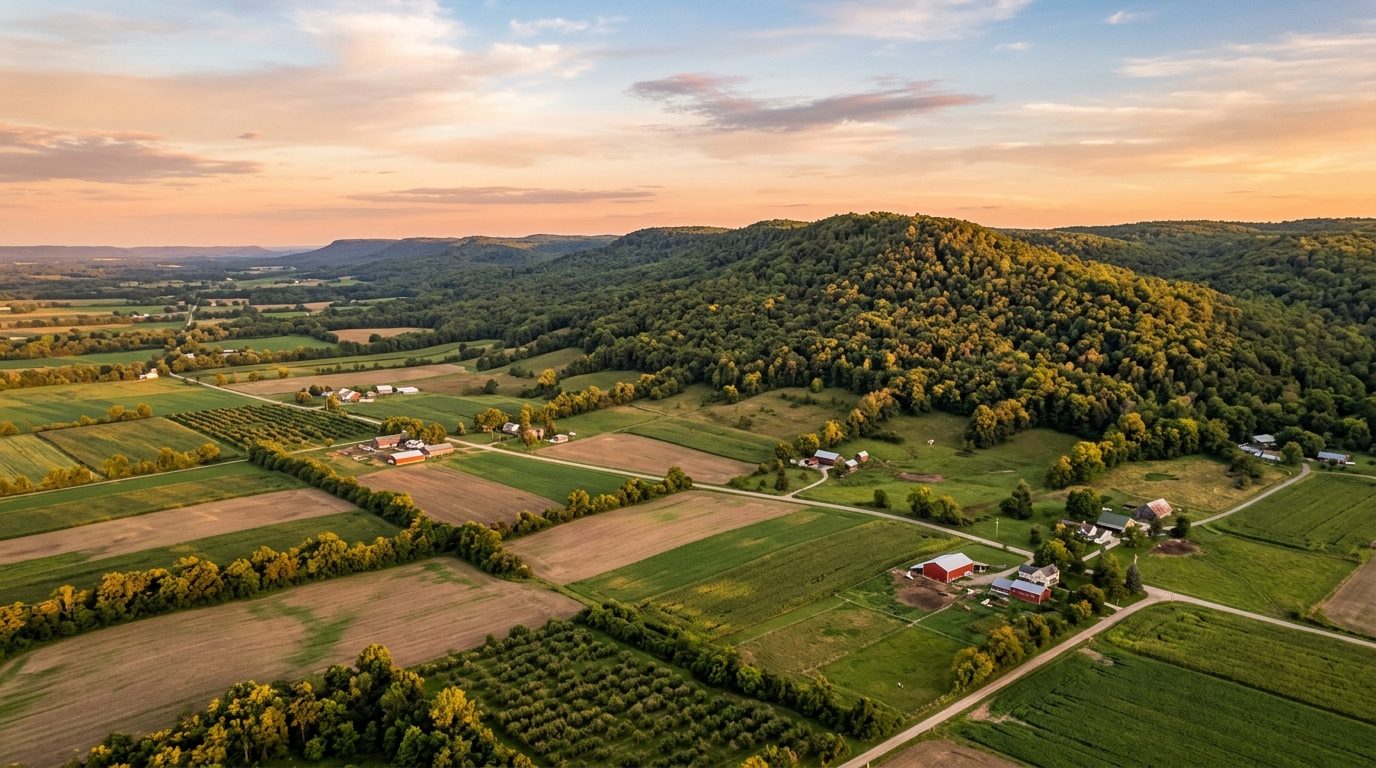
The Jonesboro metro sits in northeast Arkansas, anchored by Crowley’s Ridge, a narrow, wooded upland that rises above the flat Delta plain surrounding it on nearly every side. Jonesboro, the seat of Craighead County, occupies high ground on and around the ridge, which historically kept the core of the city safer from flooding that shapes much of the surrounding countryside. Radiating outward, the terrain drops into Delta bottomland, an expanse of row-crop farmland dotted with small towns such as Trumann, Harrisburg, Marked Tree, Lepanto, and Tyronza. Housing stock reflects this split geography: Jonesboro has a mix of early-to-mid-twentieth-century homes near its historic core, brick ranch and split-level houses from the postwar decades further out, and newer subdivisions along its western and southern edges, while the Delta towns tend toward older, modest single-family homes on larger lots, many predating postwar suburban construction.
Within Jonesboro, the west side of the city, along and beyond Stadium Boulevard and Southwest Drive, carries much of the newest construction, driven by newer schools, shopping corridors, and country-club-style developments such as Ridgepointe. Areas closer to downtown and Arkansas State University mix older owner-occupied homes with rentals serving students, which keeps that submarket more affordable but also more transient. Nettleton, a formerly independent town absorbed into Jonesboro that retained its own school district, along with established neighborhoods like Fox Meadow, Hillcrest, and Craighead Forest, offer housing with mature trees and short commutes to work centers. Outside city limits, the smaller Delta towns of Poinsett County and rural Craighead County are consistently the most affordable part of the metro, reflecting distance from major employers and a smaller pool of new construction.
The metro economy centers on Jonesboro, the commercial, medical, and educational hub for northeast Arkansas. Arkansas State University is a major anchor, drawing students, faculty, and staff into the housing market and supporting a steady rental sector near campus. Health care is a leading employer, led by the NEA Baptist and St. Bernards hospital systems, which operate large campuses and clinic networks across the region. Manufacturing matters too: Frito-Lay runs a large snack-food plant, Hytrol Conveyor Company is headquartered in Jonesboro as a leading conveyor-system maker, and Nice-Pak operates a large wet-wipe manufacturing campus. Outside the city, agriculture anchors the Delta economy, with farmland devoted heavily to rice, soybeans, cotton, and corn, supporting grain elevators, equipment dealers, and agribusiness services in the smaller towns.
A few local factors are worth understanding before buying here. Delta terrain around Crowley’s Ridge means low-lying land near creeks, bayous, and farm drainage systems can be prone to flooding, so checking flood zone status and drainage history for a specific property matters, particularly outside Jonesboro’s higher ground. Northeast Arkansas also sits within an active tornado corridor with a history of significant events, so buyers should ask about storm shelters, safe rooms, and construction quality. Property tax rates vary by county and school district, so confirming the applicable millage is worthwhile. Public transit is limited, so most residents rely on personal vehicles, and commute patterns run heavily toward Jonesboro from surrounding towns. In rural Delta communities, many properties rely on private wells and septic systems rather than municipal service, and land is often governed by agricultural zoning or drainage-district rules, so verifying utility service, septic permitting, and any levee-district obligations is advisable before closing.
Cities and Towns in the Jonesboro Metro Area
Notable Communities and Neighborhoods
Jonesboro Real Estate Market FAQ
How is the Jonesboro metro area organized?
Jonesboro is the commercial, medical, and educational core of the metro, sitting on the higher ground of Crowley’s Ridge, and it draws commuters, students, and patients from surrounding Craighead and Poinsett counties. The smaller towns ringing Jonesboro, such as Bono, Brookland, Lake City, and Bay in Craighead County, and Trumann, Harrisburg, and Marked Tree in Poinsett County, function largely as bedroom or agricultural communities, with residents commuting into Jonesboro for work, shopping, and health care along routes such as Highway 63 and Highway 1.
Which areas of the metro tend to be pricier, and why?
The west side of Jonesboro generally commands higher prices because it holds the bulk of newer construction, larger subdivisions, and amenities like golf-course communities. Established, centrally located neighborhoods with mature trees and short commutes also hold value well. Homes closer to downtown and Arkansas State University are shaped by a mix of older owner-occupied housing and student rentals. The smaller Delta towns outside Jonesboro tend to be the most affordable part of the metro, reflecting older average housing stock, greater distance from major employers, and less new construction.
What should buyers verify locally before purchasing in this metro?
Buyers should confirm FEMA flood zone status and local drainage history for any property, since Delta terrain around Crowley’s Ridge includes low-lying, flood-prone land. In rural areas of Craighead and Poinsett counties, it’s important to verify whether a property relies on a private well and septic system versus municipal water and sewer, and to check for agricultural zoning, drainage-district assessments, or levee-related obligations. Confirming the applicable property tax millage for the specific county and school district, and checking permit history for any additions or renovations, is also worthwhile.
What is the main region-specific risk to be aware of here?
Northeast Arkansas lies within an active tornado corridor, and Craighead and Poinsett counties have experienced significant tornado events over the years. Buyers should ask about the presence of storm shelters or safe rooms, review roof and construction quality, and check a property’s storm history. Relatedly, low-lying Delta land away from Crowley’s Ridge can be susceptible to flooding from heavy rain and drainage-system overflow, so flood risk is worth evaluating alongside tornado risk.
Nearby Markets