
Current real estate market data, news and analysis for the Great Falls, MT metropolitan area — 85,029 residents across Cascade county.
Data as of May 2026. Sources: Redfin Data Center, U.S. Census Bureau.
Latest Great Falls Real Estate News
Coverage of this market is coming soon. Browse all housing market news.
Great Falls Real Estate Market Overview
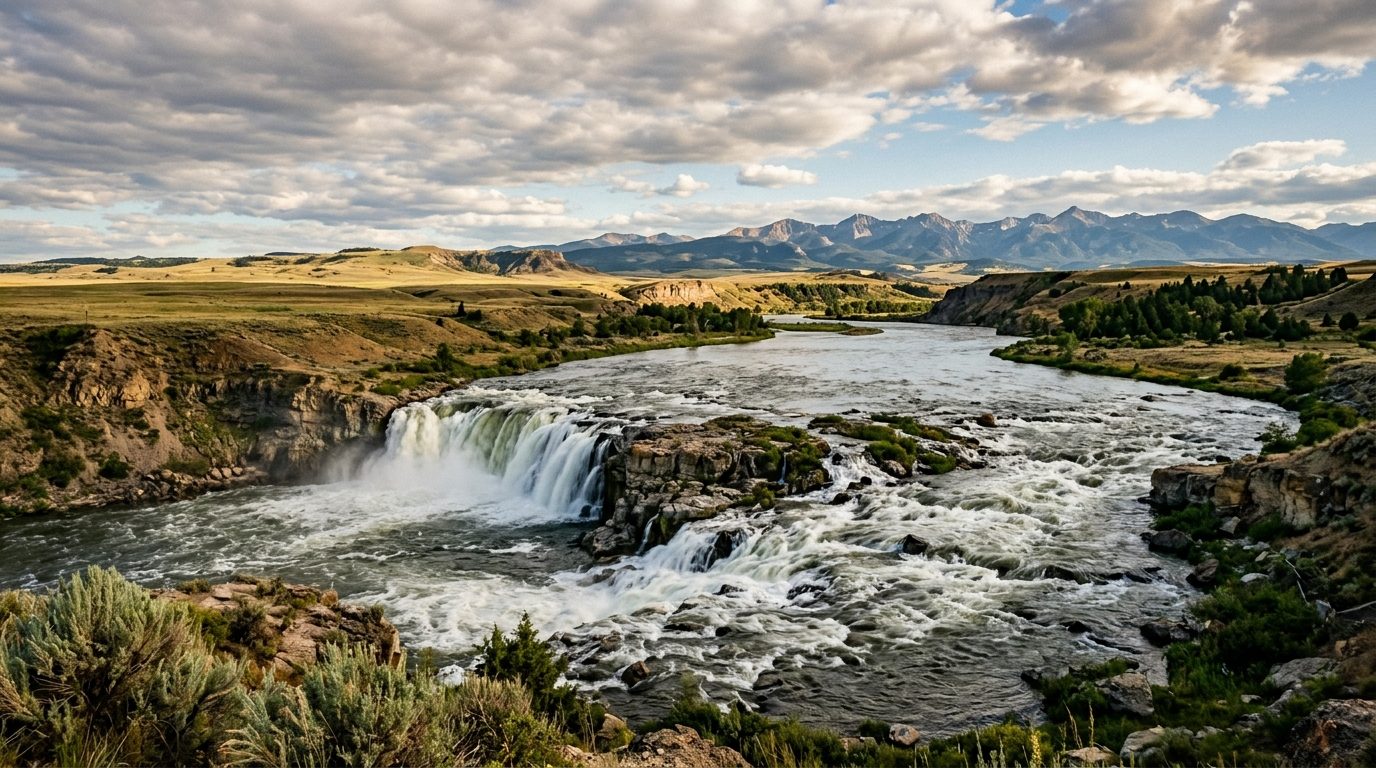
Great Falls sits where the northern Great Plains meet the Rocky Mountain Front, on the Missouri River near its confluence with the Sun River, taking its name from a series of waterfalls on the Missouri that are now harnessed by a string of hydroelectric dams. Much of the metro’s housing predates 1980, a legacy of the city’s early rail and smelting boom and a wartime building surge tied to what became Malmstrom Air Force Base: early-1900s bungalows and foursquares fill the grid-pattern blocks near downtown and the Northside and West Bank, mid-century ranch homes cover the areas developed after the 1950s highway expansion, and newer subdivisions sit on the southwest and southeast edges of the city. The outlying towns of Belt, Cascade, Stockett, and Monarch are small and rural, while Neihart, tucked into the Little Belt Mountains, is a tiny former mining town.
The historic Northside and West Bank neighborhoods, along with newer subdivisions on the south and southwest side near the city’s golf courses, tend to sit toward the higher end of the local market, offering larger lots and newer construction. Black Eagle, a former company town built around the area’s smelting industry, and other older industrial-adjacent neighborhoods are generally more affordable. The small outlying county towns offer lower-cost, rural, and small-town housing, with Neihart standing apart as a tiny, isolated market in the mountains. Homes near Malmstrom Air Force Base and the area’s main medical campuses tend to see steadier demand than the rest of the metro.
Malmstrom Air Force Base, home to an Air Force Global Strike Command missile wing, is the region’s largest single employer and a major driver of the local economy. Benefis Health System, operating two campuses across a wide referral region, is the largest private employer. Agriculture remains foundational to the county beyond the city itself, with winter wheat and cattle production forming the backbone of the surrounding rural economy, and light industrial and food-processing operations have grown around an agriculture-focused business park on the edge of the city. Legacy heavy industry, including copper smelting and flour milling, has largely wound down since the late twentieth century.
Winters are genuinely cold and snowy, but the defining local weather feature is the Chinook wind that blows off the Rocky Mountain Front, capable of raising temperatures by dozens of degrees within minutes and producing sustained high winds most winters — a real factor for roofing and siding choices. Montana has no state sales tax, and property taxes are assessed under a mill-levy system with generally low effective rates. Public transit is limited and the metro is largely car-dependent. Buyers looking at the outlying towns should confirm well and septic service, and anyone near the Missouri or Sun rivers should check floodplain status before purchasing.
Cities and Towns in the Great Falls Metro Area
Notable Communities and Neighborhoods
Great Falls Real Estate Market FAQ
How is the Great Falls-area housing market organized?
Great Falls itself is the core of the metro, with the historic Northside and West Bank and newer southwest-side subdivisions at the higher end of the market. Smaller towns like Belt, Cascade, Stockett, and Neihart sit in the surrounding county and offer smaller, more rural housing markets.
Which parts of the metro tend to be pricier?
The historic Northside and West Bank neighborhoods and newer subdivisions on the city’s south and southwest side, near its golf courses, tend to be the most desirable parts of the metro. Older industrial-adjacent areas like Black Eagle are generally more affordable.
What should buyers verify before purchasing here?
Anyone buying near the Missouri or Sun rivers should confirm floodplain status before closing, and buyers in the outlying towns should verify well and septic service versus municipal utilities. Given the area’s strong winds, it’s also worth asking about roofing and siding durability on any home under consideration.
What is the biggest region-specific risk for homeowners here?
The Rocky Mountain Front’s Chinook winds, which can bring sustained high gusts and rapid temperature swings most winters, are the area’s most distinctive weather risk and worth factoring into exterior maintenance costs. The local economy’s reliance on a single large military installation is also worth understanding for long-term housing demand.
Nearby Markets