
Current real estate market data, news and analysis for the Cleveland, TN metropolitan area — 134,057 residents across Bradley and Polk counties.
Data as of May 2026. Sources: Redfin Data Center, U.S. Census Bureau.
Latest Cleveland Real Estate News
Coverage of this market is coming soon. Browse all housing market news.
Cleveland Real Estate Market Overview
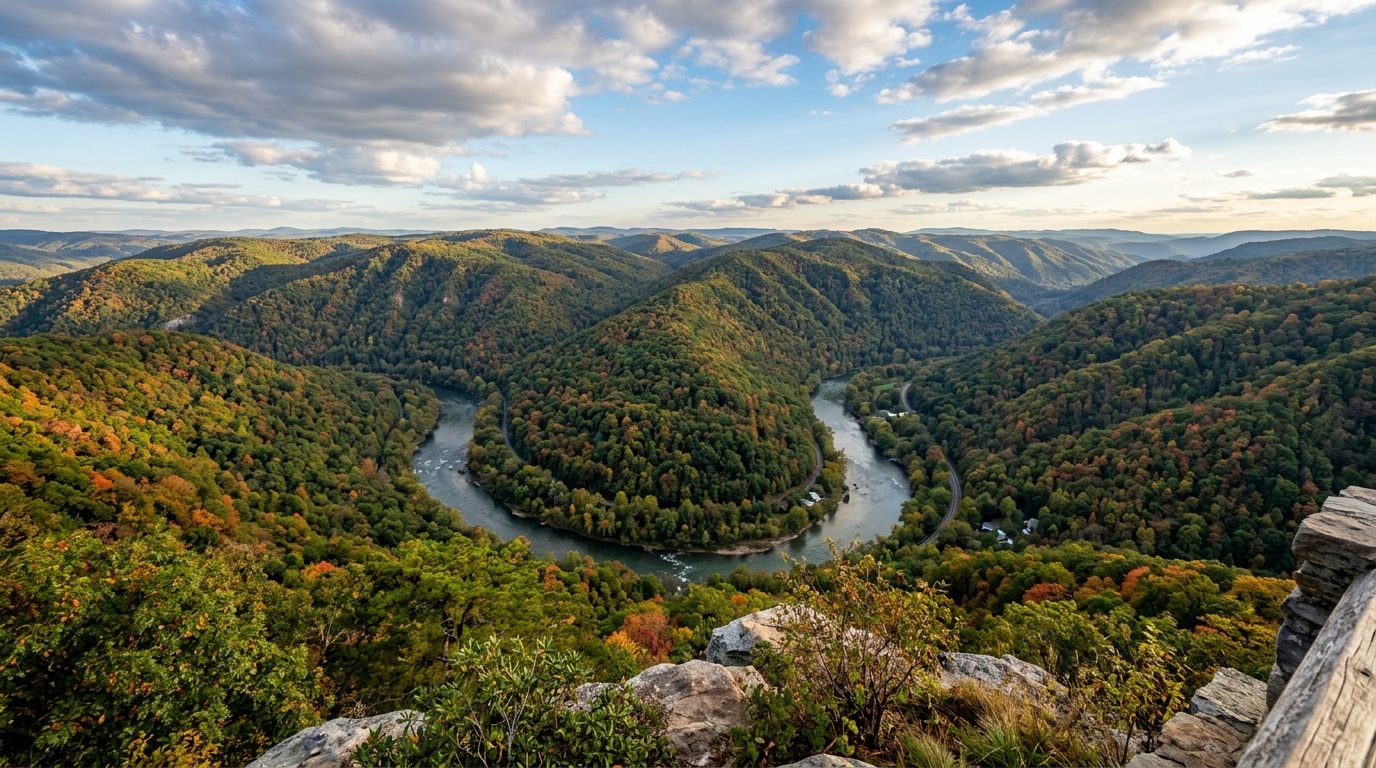
Cleveland, Tennessee sits in Bradley County at the edge of the Appalachian foothills, along the Interstate 75 corridor between Chattanooga and Knoxville. The Hiwassee River crosses the county near Charleston, and to the east the Ocoee River flows out of the Cherokee National Forest, which covers most of neighboring Polk County’s mountainous terrain. Housing in Cleveland proper ranges from early-20th-century mill cottages and Victorian-era homes near downtown to newer subdivisions built toward the city’s edges along I-75. Outside the city, Bradley County flattens into farmland and low ridges with a mix of older homesteads and newer subdivisions. In Polk County, the terrain turns steep and forested, and housing shifts toward cabins, riverfront cottages, and rural acreage around Ducktown and Copperhill.
Within Cleveland, homes near downtown and the historic districts along Ocoee Street and Centenary Avenue carry a premium for walkability and older architecture, while newer subdivisions toward Paul Huff Parkway and I-75 draw buyers wanting modern construction and easy highway access. Land farther out in rural Bradley County tends to be less expensive, reflecting distance from schools and shopping, though larger acreage parcels can still command a premium for privacy. Polk County follows a similar pattern on a steeper scale: land and homes near the Ocoee River, Parksville Lake, and the mountains around Ducktown and Copperhill can carry a premium for scenery and recreation access, while remote parcels off paved roads and utilities are typically cheaper but harder to build on. Cleveland’s position on I-75 within reach of Chattanooga also supports values on the metro’s western side.
The local economy rests on manufacturing, healthcare services, and higher education rather than tourism alone. Lee University, a private university in Cleveland, is among the area’s largest employers and shapes housing and rental demand near campus. Whirlpool Corporation operates a large cooking-appliance plant in Cleveland with roots in the former Hardwick Stove Company, and remains one of Bradley County’s largest industrial employers. Life Care Centers of America, a large privately held long-term care company, is headquartered in Cleveland. Duracell has manufactured batteries in Cleveland since the early 1960s, and Olin Corporation runs a chemical plant on the Hiwassee River in Charleston. This industrial and institutional base gives Bradley County a different economic character from Polk County’s mountain communities, where outdoor recreation along the Ocoee River, including whitewater rafting, plays a larger seasonal role.
Buyers should weigh a few local factors. Much of Polk County lies within or beside the Cherokee National Forest, and its wooded, mountainous terrain carries wildfire risk in dry periods, especially where homes sit close to forest land. The Ducktown-Copperhill area, historically called the Copper Basin, hosted large-scale copper mining and smelting for over a century before the last mines closed in the late 1980s, and some land there carries a legacy of disturbed soil worth asking about. Low-lying land near the Hiwassee and Ocoee Rivers and their tributaries warrants a flood-zone check, since the region has seen flash flooding from heavy rain. Rural parcels in both counties often rely on well water and septic systems rather than municipal utilities, and these should be tested before purchase. Property tax rates differ between Bradley and Polk counties and between individual towns, and public transit is limited, so a vehicle is generally necessary.
Cities and Towns in the Cleveland Metro Area
Notable Communities and Neighborhoods
Cleveland Real Estate Market FAQ
How is the Cleveland, Tennessee metro area organized?
The metro consists of two counties with distinct character. Bradley County is the core, anchored by the city of Cleveland along the I-75 corridor, with a mix of urban neighborhoods, suburban subdivisions, and farmland stretching toward the Georgia line. Polk County, to the east, is largely mountainous and forested, covered in large part by the Cherokee National Forest, with small towns including Benton, Ducktown, and Copperhill sitting along the Ocoee and Hiwassee River valleys. Cleveland is close enough to Chattanooga via I-75 that some residents commute between the two, while the Polk County towns are more rural and self-contained.
Which areas of the metro tend to be pricier, and why?
Within Cleveland, homes in and near the historic districts around downtown and along Ocoee Street and Centenary Avenue draw a premium for walkability and older architecture, and newer subdivisions on the city’s growth edges near I-75 draw a premium for modern construction and highway access. In Polk County, land and homes near the Ocoee River, Parksville Lake, and scenic mountain settings around Ducktown and Copperhill tend to carry a premium tied to views and recreation access, while more remote parcels away from paved roads and utilities are typically less expensive but come with development limitations.
What should buyers verify before purchasing property in this area?
Buyers should confirm which county and municipality a property sits in, since permitting, zoning, and property tax rates differ between Bradley County, Polk County, and the individual towns within each. In rural parts of both counties, many properties rely on well water and septic systems rather than municipal service, and these should be tested and inspected before closing. In and around the Ducktown-Copperhill area, historically known as the Copper Basin, buyers should also ask about any history of mining, smelting, or land remediation on a specific parcel, since large-scale copper mining operated there for more than a century before closing in the late 1980s.
What natural hazards are relevant to buyers in this metro?
The most locally relevant risks are wildfire and flooding rather than hurricanes or earthquakes. Much of Polk County lies within or adjacent to the Cherokee National Forest, and its steep, heavily wooded terrain carries wildfire risk during dry periods, particularly for homes built close to forest land. Low-lying property near the Hiwassee and Ocoee Rivers and their tributaries is also subject to flash flooding after heavy rain, so checking a specific parcel’s flood zone status is worthwhile before purchasing.
Nearby Markets