
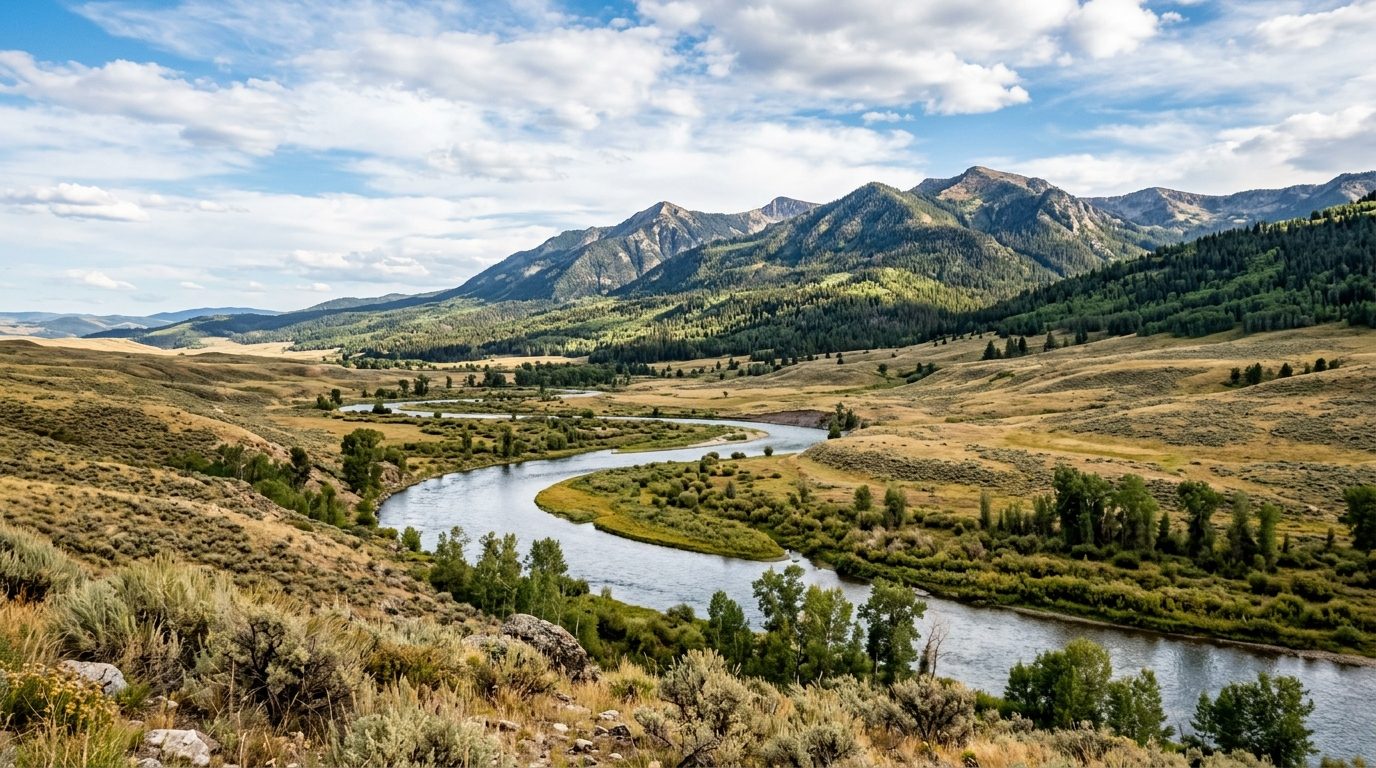
Current real estate market data, news and analysis for the Casper, WY metropolitan area — 80,526 residents across Natrona county.
Data as of May 2026. Sources: Redfin Data Center, U.S. Census Bureau.
Latest Casper Real Estate News
Coverage of this market is coming soon. Browse all housing market news.
Casper Real Estate Market Overview
Casper sits on the North Platte River in central Wyoming, at the foot of Casper Mountain, with Natrona County otherwise stretching out into vast, largely rural high plains beyond the city itself. Housing in the core city ranges from early-1900s homes built during the area’s oil boom to mid-century subdivisions and postwar ranch houses, with newer single-family construction and manufactured housing on the suburban edges. Casper Mountain itself supports a small, separate community of larger-lot mountain homes above the valley floor.
Areas near Casper Mountain and the city’s western and southwestern subdivisions, particularly those near the golf course, tend to sit at the higher end of the local market, offering larger lots and mountain views or access. The downtown core and North Casper, an older, historically working-class area tied to the oil industry, are generally more affordable, as is East Casper. Bar Nunn and Mills have grown into more affordable, family-oriented bedroom communities on the edge of the metro, while Midwest and Edgerton, small former company towns built around the area’s original oil field, remain modest and isolated with lower relative costs; Evansville sits along the river near industrial and refinery uses.
Casper’s economy grew up around oil and gas, and energy companies and oilfield-service firms remain part of the local job base, though the city’s economic base has broadened considerably. Banner Wyoming Medical Center, the state’s largest hospital and a Level II trauma center, is a major regional employer, and Casper College, one of Wyoming’s oldest two-year colleges, anchors the local education sector. Natrona County School District, city and county government, and national retailers round out the rest of the largest employers, with energy remaining an important but no longer dominant part of the mix.
Wyoming has no state personal or corporate income tax, and Natrona County’s property tax rates run below the national median, though buyers should check for local special-assessment or improvement-district charges on specific properties. Casper is one of the windier cities in the country, which is worth factoring into roofing, siding, and landscaping choices, and winters bring cold temperatures alongside a heavy annual snowfall total. Because so much of the local economy has historically tracked oil and gas prices, buyers should understand that housing demand here can move with energy-sector cycles even as healthcare, education, and tourism have grown. Casper Area Transit runs a modest bus system, and buyers in unincorporated parts of the county should verify well and water-rights status along with floodplain designation near the North Platte River.
Cities and Towns in the Casper Metro Area
Notable Communities and Neighborhoods
Casper Real Estate Market FAQ
How is the Casper-area housing market organized?
Casper itself is the core of the metro, with areas near Casper Mountain and the city’s western subdivisions at the higher end and North and East Casper offering more affordable, older housing. Bar Nunn, Mills, Evansville, Midwest, and Edgerton form smaller, distinct communities around the edges of the metro.
Which parts of the metro tend to be pricier?
Neighborhoods near Casper Mountain and the city’s western and southwestern subdivisions, particularly those near the golf course, tend to command the highest prices for their larger lots and mountain access. North Casper and the small former company towns of Midwest and Edgerton are generally the most affordable.
What should buyers verify before purchasing here?
Given how windy the area is, buyers should ask about the condition and durability of roofing and siding on any home under consideration. Anyone buying in unincorporated parts of the county should also verify well and water-rights status and check floodplain designation near the North Platte River.
What is the biggest region-specific risk for homeowners here?
The local economy’s historical dependence on oil and gas prices is the most distinctive risk here, with past energy downturns having produced real local job losses even as the economy has diversified. High sustained winds are also a practical, ongoing consideration for home maintenance.
Nearby Markets