
Current real estate market data, news and analysis for the Burlington, NC metropolitan area — 186,177 residents across Alamance county.
Data as of May 2026. Sources: Redfin Data Center, U.S. Census Bureau.
Latest Burlington Real Estate News
Coverage of this market is coming soon. Browse all housing market news.
Burlington Real Estate Market Overview
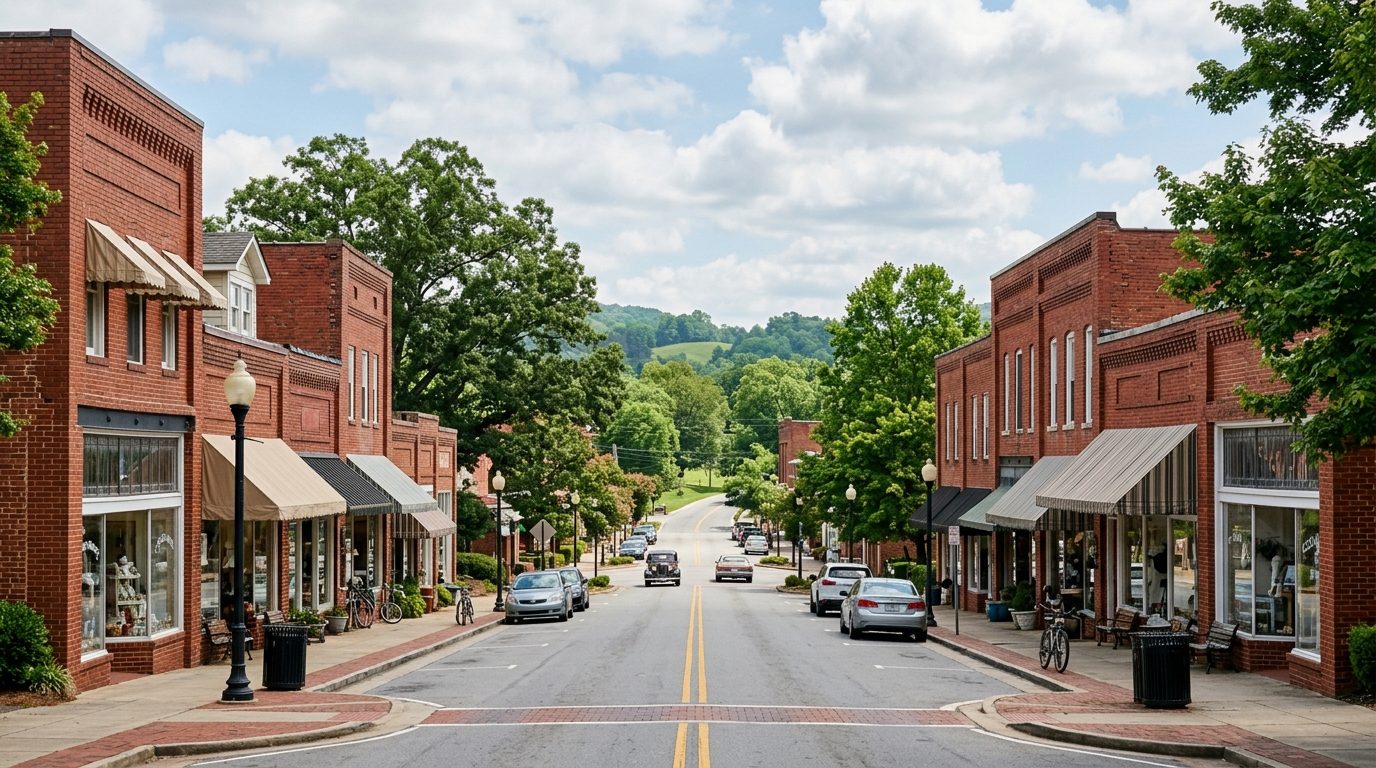
Burlington anchors Alamance County in the Piedmont region of north-central North Carolina, roughly midway between Greensboro and the Research Triangle along the interchange of Interstate 40 and Interstate 85. The terrain is mostly flat with gentle rolling hills, and the Haw River along with several smaller creeks crosses the county, feeding local parks and greenways. Housing stock reflects the area’s layered history: brick and frame bungalows and mill-village cottages built near the old textile plants close to downtown, postwar ranch-style neighborhoods spreading outward, and newer traditional and craftsman-style subdivisions on the suburban edges toward Elon, Graham, and Mebane, where national and regional builders continue to add single-family homes and townhomes.
Within the metro, the higher-value pockets tend to be the restored historic districts near downtown Burlington, where mature tree canopy, architectural character, and walkable streets draw a premium, alongside newer subdivisions clustered near the Mebane side of the I-40/I-85 corridor that appeal to commuters working toward Durham, Chapel Hill, or the broader Triangle. More affordable areas are generally found in older mill-village neighborhoods and postwar tracts nearer the historic industrial corridors, where homes are smaller and may need updating, as well as in outlying rural parts of the county where land is more available but infrastructure is thinner. Proximity to Elon University, quality of local schools, and walkability to downtown amenities also factor into how different pockets of the metro are perceived.
Alamance County’s economy grew up around textile manufacturing and has since diversified. Laboratory Corporation of America (LabCorp), a major diagnostics and lab-testing company, was founded and remains headquartered in Burlington, making it the county’s largest employer. Glen Raven, Inc., maker of Sunbrella performance fabrics, is also headquartered locally and traces its roots to the area’s original cotton-mill era. Health care is a significant employer through Cone Health’s Alamance Regional Medical Center, and education plays a major role through Elon University in the town of Elon and the Alamance-Burlington School System. Manufacturing remains present through operations such as Honda Power Equipment Manufacturing and hosiery and apparel makers with long histories in the region, while the county’s position at a major interstate crossroads has drawn logistics and distribution investment in Mebane and elsewhere.
The metro sits well inland, so it is not subject to direct coastal hurricane wind exposure, though it can see heavy rain from tropical system remnants that raise water levels on the Haw River and local creeks, making local flood-zone verification worthwhile before purchase. North Carolina property taxes are set at the county and municipal level, and several in-town Burlington neighborhoods carry historic-district design-review overlays that govern exterior changes. Growth spilling west from the Triangle has intensified development pressure and new subdivision activity around Mebane and Graham, often with homeowners’ association rules buyers should read closely. Outside the incorporated towns, well water and septic systems remain common, so confirming water and sewer availability, and reviewing local zoning, is advisable for any prospective buyer.
Cities and Towns in the Burlington Metro Area
Notable Communities and Neighborhoods
Burlington Real Estate Market FAQ
How is the Burlington, NC metro area organized geographically?
The metro is centered on Alamance County and includes Burlington along with the towns of Elon, Graham, Mebane, Haw River, Green Level, Swepsonville, Alamance, and Ossipee. It sits in the Piedmont region along the I-40/I-85 corridor, positioned between Greensboro to the west and the Research Triangle area to the east, with the Haw River running through the county.
Which parts of the Burlington area tend to be pricier or more affordable, and why?
Restored historic neighborhoods near downtown Burlington and newer subdivisions closer to the Mebane side of the interstate corridor, which appeal to commuters headed toward the Triangle, tend to sit at the higher end. Older mill-village neighborhoods, areas near former industrial corridors, and more rural parts of the county with fewer services tend to be more affordable, reflecting smaller home sizes, older construction, or less convenient access to job centers.
What should buyers verify locally before purchasing in this area?
Buyers should confirm whether a property sits within a flood zone near the Haw River or local creeks, check whether a home is inside a historic district with design-review requirements, verify municipal water and sewer service versus well and septic in rural areas, and review any homeowners’ association rules in newer subdivisions.
What region-specific risks should buyers be aware of in the Burlington area?
Being well inland, the metro avoids direct coastal hurricane wind exposure, but it can experience heavy rainfall from tropical system remnants that raise water levels on the Haw River and smaller creeks, creating localized flood risk in low-lying areas. The local economy also carries some concentration in health care, education, and a handful of large employers, which is worth understanding when weighing long-term housing demand.
Nearby Markets