Short Sale vs. Foreclosure: Key Differences for Homeowners and Buyers
Short sales and foreclosures both involve mortgage distress, but the process, credit impact and buyer risks differ sharply.
James Clark is a staff reporter for RealtyWire, where he covers residential real estate, home sales, brokerage trends, seller strategy, marketing, home preparation, new construction, renovations, and the practical issues that affect buyers, sellers, agents, brokers, and property owners.
Before joining RealtyWire, James spent 15 years as a residential real estate agent in the Denver, Colorado metro area. During his real estate career, he worked with three different brokerage firms and focused heavily on representing home sellers, giving him firsthand experience with pricing strategy, listing preparation, negotiations, marketing, buyer behavior, and the challenges sellers face in changing market conditions.
James brings a practical, agent-level understanding of the real estate business to his reporting. His background gives him insight into real estate regulation, mortgage issues, sales trends, listing strategy, home staging, new construction, renovations, interior design, and the updates that can help improve a property's marketability and resale value.
His reporting focuses on making real estate news, trends, and market analysis useful for readers who want to better understand how the industry works at the ground level.
Short sales and foreclosures both involve mortgage distress, but the process, credit impact and buyer risks differ sharply.
An escrow shortage can raise your mortgage payment even with a fixed rate. Why tax and insurance increases flow through escrow.
Adjustable-rate mortgages can offer lower initial rates, but buyers need to understand caps, resets, margins and payment risk.
A mortgage rate lock can protect buyers from rising rates before closing. Here’s when locking or floating may make sense.
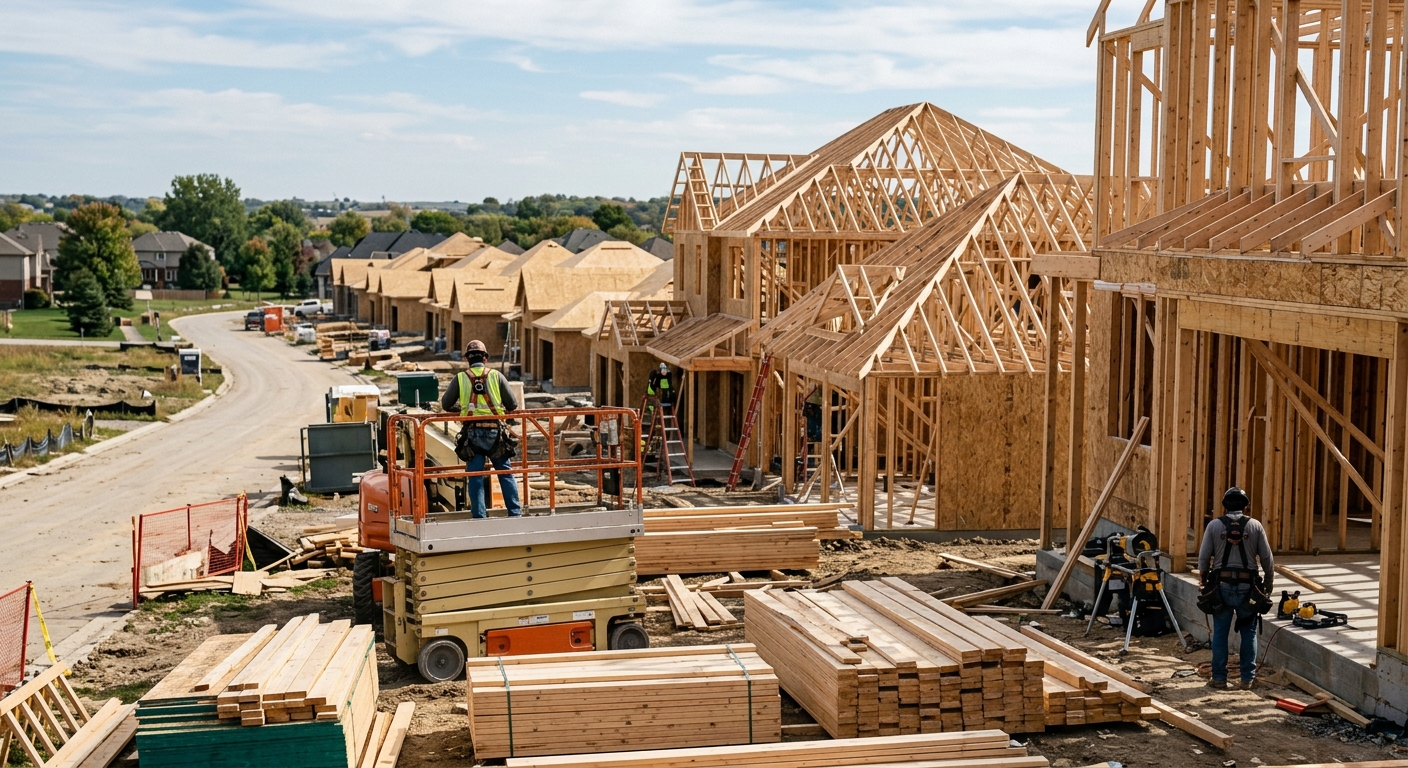
Housing starts fell in May 2026. Here’s why construction pullbacks matter for future housing supply, buyers, builders and prices.
What should sellers fix before listing? Focus on repairs, cleaning, curb appeal and buyer confidence before expensive remodels.
A rate buydown and a price cut help buyers in different ways. Here’s how to compare monthly savings, cash to close and long-term value.
Get expert insights, market updates, and new opportunities delivered to your inbox.