NVIDIA has made a strategic investment in Lancium, the Blackstone-backed power infrastructure developer, in a partnership aimed at building gigawatt-scale AI data centers across Lancium’s Texas land portfolio.
The company has 4 gigawatts of leased capacity operating today and more than 15 gigawatts of powered land in development, according to the Aug. 24 announcement. The size of NVIDIA’s investment was not disclosed in the release.
The deal is the latest sign that the binding constraint in AI infrastructure has moved off the chip and onto the ground — specifically onto land with a grid interconnection already secured.
What the partnership covers
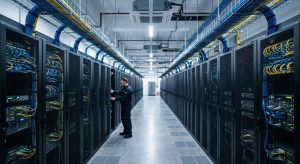
NVIDIA’s full-stack AI factory platform will be deployed across Lancium campuses, using the chipmaker’s DSX reference designs. Two specific technologies are named: DSX MaxLPS, which the companies say enables 40% more GPUs within the same power budget, and DSX Flex, which allows a facility to adjust power draw in response to grid conditions.
DSX Flex is the more interesting piece from a siting standpoint. A data center that can throttle its consumption when the grid is stressed is a materially easier project to permit and interconnect than one that cannot, and grid-responsiveness has become the central issue in Texas data center policy.
Lancium, headquartered in The Woodlands, Texas, is backed by Blackstone Energy Transition Partners and Blackstone Multi-Asset Investing.
What the parties said
“We have spent years assembling the power, the land, and the infrastructure expertise needed to deliver AI data center capacity at a scale the world has never seen,” said Michael McNamara, chief executive and co-founder of Lancium.
“Together with Lancium, we’re enabling a new generation of gigawatt-scale, power-ready AI factories,” said Nico Caprez, vice president of global AI infrastructure growth at NVIDIA.
Bilal Khan, a senior managing director at Blackstone, called the partnership “a strong testament to Lancium’s position at the epicenter of energy and AI infrastructure.”
A pattern, not a one-off
NVIDIA has been buying its way into the land-and-power layer of the industry repeatedly. RealtyWire reported last week that the company took a stake in Cloverleaf Infrastructure to speed data center siting, and it has been in talks to backstop OpenAI’s Ohio data center lease.
The Texas context is not simple. RealtyWire covered the state’s new grid rules for large loads and one operator’s decision to abandon a project rather than comply. Lancium itself publicly supported Gov. Greg Abbott’s call for greater transparency in Texas data center development earlier this month.
What it means
Verified: the partnership, the capacity figures, the named technologies and the quotes, all as disclosed by Lancium.
Attributed: the 40% GPU density claim for DSX MaxLPS is the companies’ own, not independently tested.
Not disclosed: the investment amount, the equity stake, and any deployment timeline.
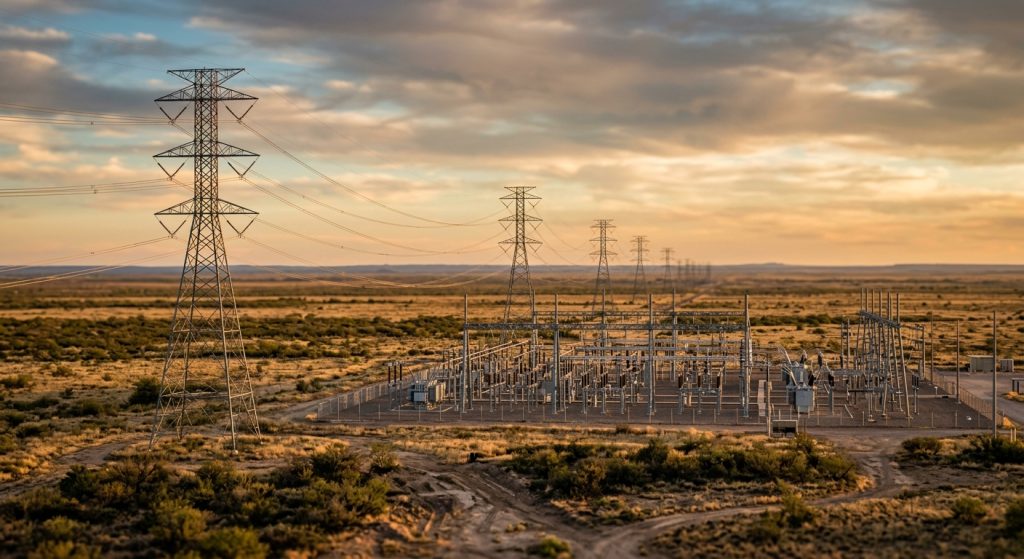
RealtyWire analysis: the real asset here is the interconnection queue position, not the dirt. Anyone can buy 3,000 acres in West Texas; almost nobody can get several gigawatts of firm grid capacity delivered to it inside a development cycle. Lancium spent years accumulating that, which is what makes a 15-gigawatt pipeline valuable enough for a chipmaker to take equity in the landlord.
For real estate more broadly, the significance is that the AI buildout is now competing for the same three inputs as housing and industrial development in Texas: land, transmission capacity and skilled construction labor. That competition is already showing up in land pricing near substations and in the politics of local approvals.
What to watch: whether Lancium discloses the investment size in a subsequent filing, which campuses get the first NVIDIA deployments, and how the DSX Flex grid-responsive capability is treated by ERCOT under the state’s large-load rules.