Morgan Stanley Investment Management raised its 2026 forecast for U.S. commercial real estate transaction volumes to $635 billion, a 12% increase from the prior year, according to the firm’s 2026 real estate outlook. The revised figure follows a stronger-than-expected first half, with CRE transaction volumes reaching $279 billion in the first six months of the year, up 23% from the same period in 2025.
The firm frames 2026 as an inflection point after what it describes as a four-year commercial real estate recession, arguing that repriced assets now offer investors a chance to acquire prime properties at low valuations while new supply remains constrained across most sectors. Morgan Stanley points to a combination of motivated sellers, more engaged buyers and greater availability of debt financing as conditions favorable to a rebound in both transaction activity and asset values.
Where Morgan Stanley Sees the Opportunity
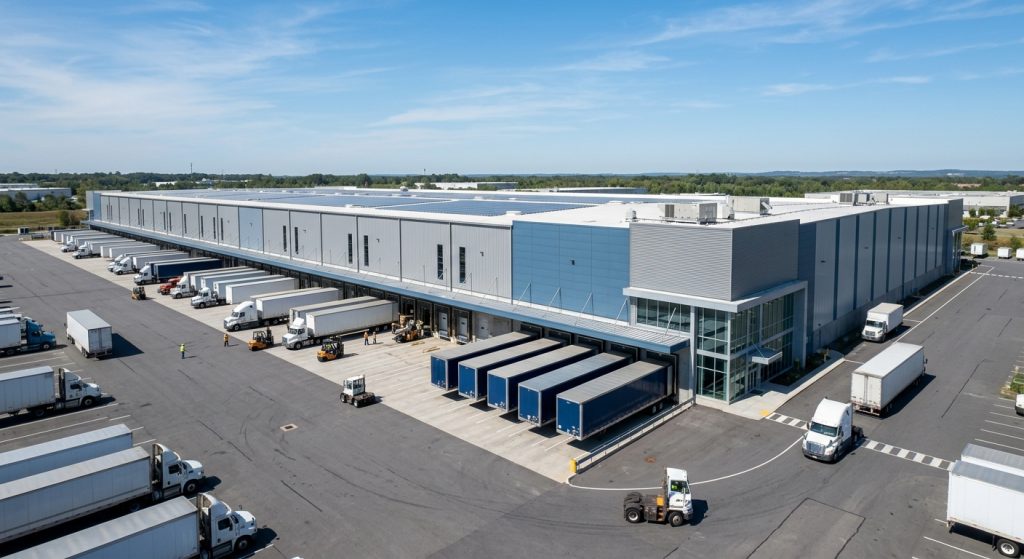
The firm’s outlook highlights industrial, retail and senior housing as sectors benefiting from structural tailwinds. Industrial real estate continues to ride supply-chain reshoring and the rapid adoption of AI and automation in warehouses, which the firm says is reshaping facility requirements in ways that support long-term demand. Retail properties are described as thriving on steady brick-and-mortar traffic alongside continued e-commerce growth, a combination Morgan Stanley frames as supporting omnichannel retail formats rather than undermining physical stores. The firm also points to aging demographics as a long-term driver of demand in senior housing.
Historically, the firm notes, commercial real estate has generated total returns above inflation in five of the past seven high-inflation periods since the 1970s, with much of that outperformance tied to periods of constrained supply. Morgan Stanley argues today’s environment — elevated construction and financing costs slowing new development — mirrors those earlier moderate demand-pull, cost-push cycles, which historically tightened future supply and supported rent growth and value appreciation in existing assets.
The firm’s framing puts particular weight on the gap between the pace of dealmaking and the pace of new construction starts. With financing costs still elevated relative to the pre-2022 era, fewer developers are breaking ground on new projects even as investor demand for existing, income-producing assets picks up — a dynamic Morgan Stanley expects to keep vacancy rates in check across industrial and retail even without a sharp rebound in overall economic growth.
What It Means
A major institutional investor publicly raising its transaction-volume forecast and calling current pricing an attractive entry point is a notable signal for a commercial real estate market that spent much of the past four years working through higher rates and distressed refinancing. RealtyWire has tracked signs of that broader recovery, including five straight months of rising multifamily rents as of July. Morgan Stanley’s own investment activity has tracked the thesis: the firm’s real estate arm has been an active buyer this year, including a $158.5 million acquisition of Ace Hardware’s Kansas City distribution hub. Forecasts from investment banks are not neutral market data — Morgan Stanley itself stands to benefit from increased deal flow — but the scale of the volume increase it’s projecting, and the specificity of the sector calls, offer a useful marker for where institutional capital is positioning for the remainder of 2026.