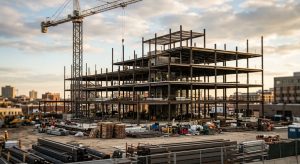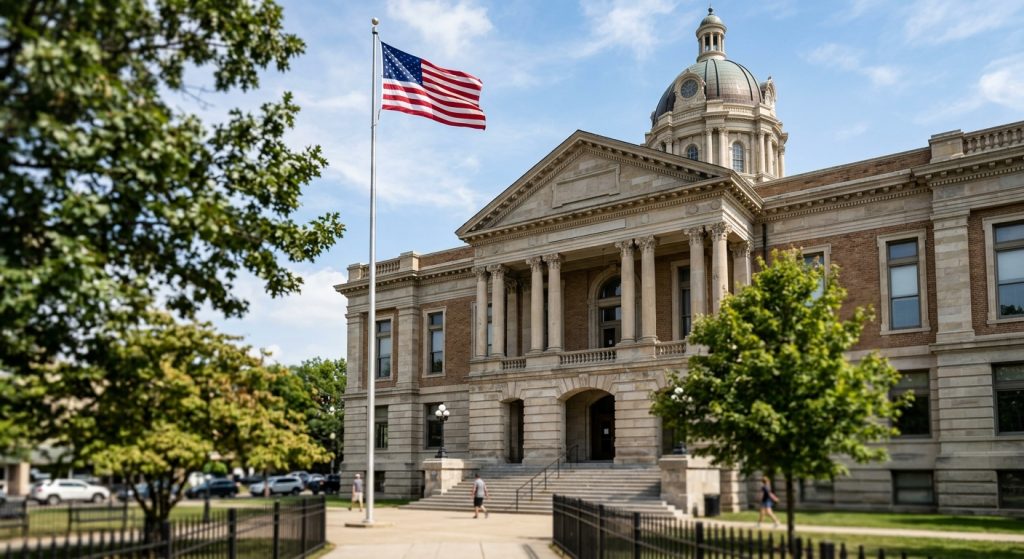
Independence, Mo., residents have sued to stop construction of a Nebius-backed artificial intelligence data center, alleging city officials secretly rezoned land for the project and pushed through more than $150 billion in tax-abated bonds without proper public notice.
The suit was filed in Jackson County Circuit Court (case No. 32057476) by the Independence GUARD (Guardians United Against Reckless Development) Alliance, a newly formed community group, along with residents near the project site, according to KSHB 41 News and KCTV5. The 52-page, 16-count petition names the city of Independence, Missouri ADC Holdings LLC — the data center’s developer entity — and Independence Power Partners LP as defendants. Plaintiffs are seeking a temporary restraining order and a preliminary injunction to halt work on the project while the case proceeds.
The dispute is the latest example of a national pattern RealtyWire has tracked for months: residents and local officials pushing back on where and how hyperscale AI data centers get built. RealtyWire has previously reported on community and statehouse backlash against data center siting nationwide, on federal legislation aimed at giving communities more say over nearby projects, and on how data center developers are outbidding homebuilders for land in fast-growing corridors.
What the lawsuit alleges
According to the petition, the city rezoned nearly 500 acres off Highway 78 and Bly Road from residential to industrial use in 2022 without notifying nearby homeowners, then held closed-door meetings and signed eight separate non-disclosure agreements while negotiating a power arrangement with Nebius, an AI cloud infrastructure company. Plaintiffs allege those actions violated Missouri’s Sunshine Law, the city charter and local zoning procedures, and that the city has failed to enforce basic construction controls — including noise limits, hours of operation and truck-traffic rules — at the site.
“Noise limits, hours of operation, hours of construction, heavy truck traffic, construction traffic — there’s no check,” attorney Steve Jeffery, who represents the plaintiffs, told KSHB. Resident Kelly Garrett said the city’s rezoning and bond approvals came “quietly and repeatedly, long before any of us had the chance” to weigh in, and described residents as “upset, angry, disappointed, frustrated” over what she called disenfranchisement by city officials, per KCTV5. Neighbor Daniel Moorehead told KSHB that construction crews “start well ahead of daylight” and “end well after daylight many times,” disrupting the area with noise and dust.
The $150 billion figure refers to Chapter 100 revenue bonds the Independence City Council authorized in a March 2 ordinance to finance the project and extend tax abatements to Nebius. Plaintiffs allege the arrangement gave Nebius steep utility rate discounts that ordinary residents do not receive. Construction on the site began in April, according to KSHB’s reporting.
This is not the first legal challenge to the project. In March, a separate group of residents sought a citywide referendum on the bond ordinance; a Jackson County judge denied that petition on March 25, ruling that because the ordinance took effect immediately under the city charter, it fell outside the scope of a public vote.
The responses
The city of Independence said in a statement that it “disagrees with the characterization of its actions and believes approvals were handled in accordance with applicable law,” and declined further comment given the pending litigation. Nebius, through vice president of public affairs John Sutter, said the company is “reviewing the claims and cannot comment on the case specifics” but “remains committed to complying with all applicable laws,” according to KCTV5.
What it means
Facts: A formally filed, 16-count petition is now before a Jackson County judge, seeking to pause construction on an active, multibillion-dollar project — a materially different posture than the earlier referendum fight, which never reached the merits of the zoning and disclosure claims. The allegations of closed-door meetings, undisclosed NDAs and a rezoning that predated public notice are, for now, claims made by plaintiffs and have not been tested in court or admitted by the city or Nebius.
Analysis: Beyond the legal outcome, the case illustrates a recurring friction point in the AI infrastructure buildout: local governments courting large tax-abated projects for jobs and investment, while residents living closest to the construction say they were cut out of the process and now bear the noise, dust and traffic that come with it.
What to watch
Defendants have roughly 30 days after being served to respond to the petition. A ruling on the plaintiffs’ request for a temporary restraining order — which would determine whether construction is paused in the near term — is expected to come first, followed by further proceedings on the injunction and the underlying 16 counts. Case filings will be tracked through Jackson County Circuit Court under case No. 32057476.