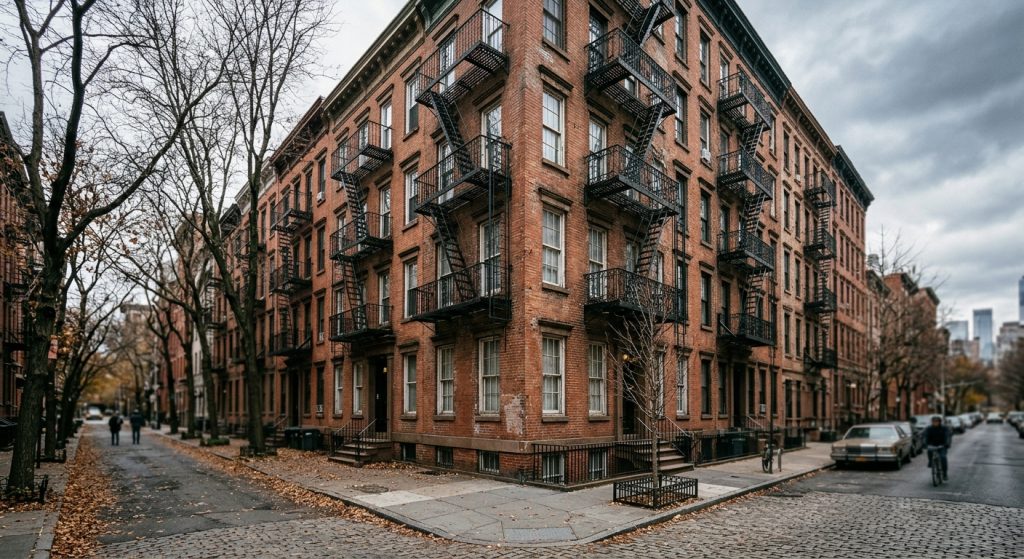
New York City has a new step in the sale of distressed and income-restricted apartment buildings. Mayor Zohran Mamdani on Nov. 10 signed the Community Opportunity to Purchase Act, known as COPA, which gives vetted nonprofits, tenant groups and community land trusts the first chance to buy covered multifamily buildings before they reach the open market.
For owners, brokers and investors who trade in older rent-regulated stock, the law adds a waiting period and a matching right to a class of deals. For the mission-driven buyers it favors, it creates a pipeline the city’s housing agency will manage.
How the COPA purchase window works
According to the mayor’s office, qualified entities get an exclusive 145-day window to complete a purchase when a covered building is put up for sale. If their offer is rejected and another buyer makes an offer within the following year, the qualified entities have a right of first refusal to match it.
The Department of Housing Preservation and Development (HPD) will keep the list of “qualified entities.” To get on it, organizations must show experience acquiring, preserving and managing affordable housing, along with the financial and organizational capacity to buy and run the properties. HPD will also set up a process to notify those groups when covered buildings go on the market. The release does not give a start date for either.
The city describes covered properties as multifamily buildings with four or more units “in significant disrepair,” plus buildings with affordability restrictions governed by HPD regulatory agreements. When the bill passed in October, the office of its sponsor, Council Member Sandy Nurse, spelled out the distress test. It covers buildings that have spent a year in a city housing enforcement program, buildings that average three or more hazardous or immediately hazardous violations per unit, and buildings with HPD-managed affordability restrictions. The law exempts one- to three-family homes, owner-occupied four- and five-unit buildings, and transfers between family members, among other exclusions.
Six years, one veto, then a narrower bill
COPA has been in play for six years. Former Mayor Eric Adams vetoed an earlier version in December 2025. The Mamdani administration then made the measure a priority in its Block by Block housing plan, released in May 2026.
The current bill, Int. 0905-2026, was introduced on May 14, 2026. The Council’s Committee on Housing and Buildings amended and approved it on Oct. 22, and the full Council passed it the same day, according to the Council’s legislative record. The mayor held a public hearing on Nov. 4 and signed it on Nov. 10.
“Our homes should be places of stability, not vehicles for speculation,” Mamdani said in the announcement. “COPA puts power in the hands of the community organizations that have spent years serving our neighborhoods and fighting to keep New Yorkers housed.”
HPD Commissioner Dina Levy said the law “will gate against speculative investment in both distressed and expiring affordable housing by providing not-for-profit housing providers a first opportunity to purchase.” Deputy Mayor for Housing and Planning Leila Bozorg called it “an important tool to ensure buildings at risk are managed by people with a stake in their long-term success.”
Nurse said the bill passed “after six years, multiple Mayors, and a veto.” Advocates who backed it framed the win as one over the industry. Deyanira Del Rio, executive director of New Economy Project, which coordinates the NYC Community Land Initiative coalition, said in the Council’s October release: “Together, we overcame the real estate lobby.”
The model it borrows from
New York’s law follows a San Francisco ordinance. Nurse’s office says that city’s COPA, enacted in 2019, has preserved more than 430 homes and kept more than 1,000 residents housed. It adds that the program is now used in nearly three-quarters of city-funded projects under San Francisco’s preservation and rehabilitation strategy. San Francisco has continued to act on renter protections and recently declared a rent emergency and moved to cap banked rent increases.
The law also sits inside a larger city housing program. Block by Block sets goals of building 200,000 new affordable homes and preserving 200,000 more over the next decade. The mayor’s office says the administration’s first budget committed $22 billion in affordable housing capital over five years.
What it means for sellers and buyers
On our reading, the law’s reach is narrower than the broad bill Adams vetoed. It applies to buildings already flagged for serious violations or already under HPD regulatory agreements. That is a slice of the city’s older, regulated housing stock, the same stock at the center of the city’s long-running debate over who rent stabilization helps.
For a seller of a covered building, the practical change is timing. The 145-day window comes before an open-market sale, and the one-year matching right follows it. Investors who buy distressed rent-regulated buildings will have to plan around that added time. How much the law changes ownership will depend on things not yet public: how many organizations HPD qualifies, how the notice process works, and whether nonprofit buyers can raise acquisition capital fast enough to use their window. The release does not say what public financing, if any, will be tied to COPA purchases.
More coverage of local rules affecting multifamily owners is on our commercial real estate page.