
Current real estate market data, news and analysis for the Salinas, CA metropolitan area — 433,729 residents across Monterey county.
Data as of May 2026. Sources: Redfin Data Center, U.S. Census Bureau.
Latest Salinas Real Estate News
Coverage of this market is coming soon. Browse all housing market news.
Salinas Real Estate Market Overview
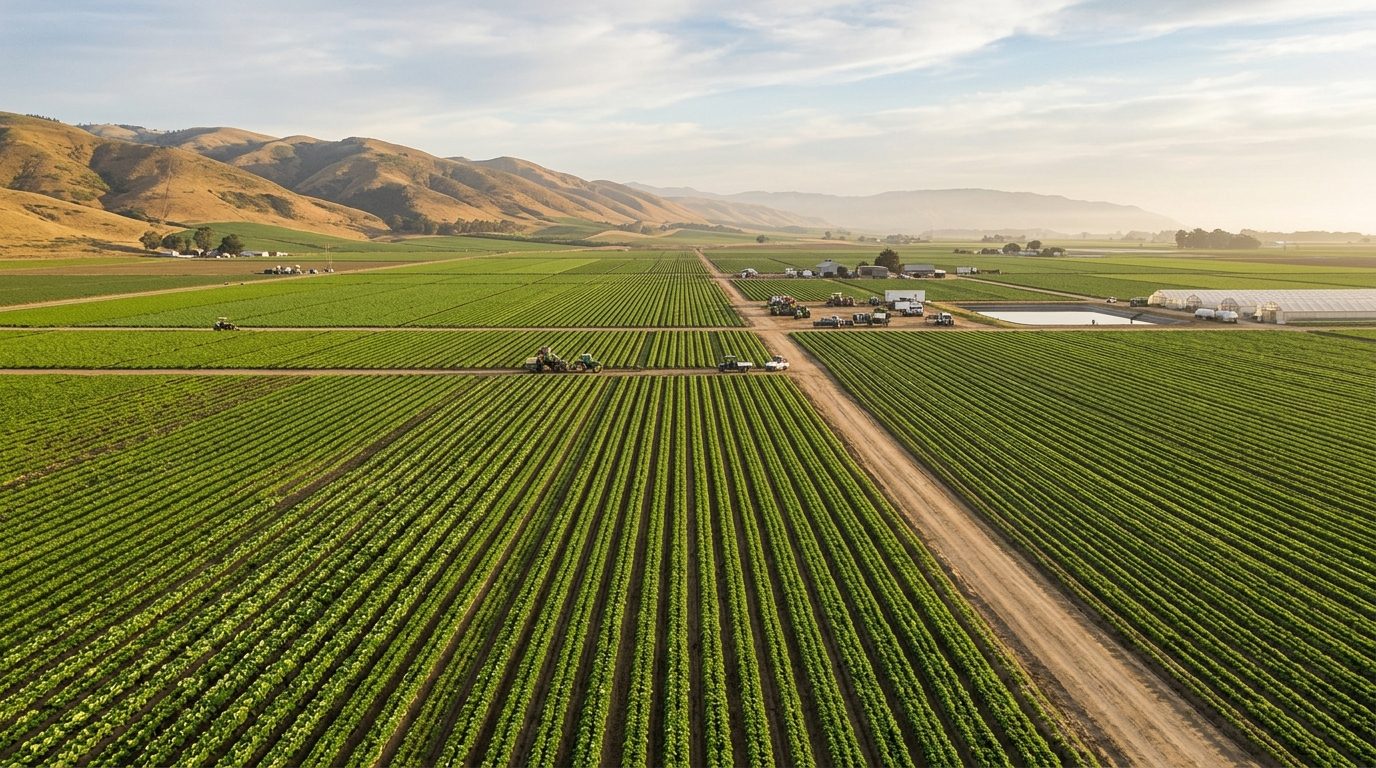
The Salinas metro spans two distinct landscapes across Monterey County. The Monterey Peninsula is a granite coastal promontory holding Monterey, Pacific Grove, Carmel-by-the-Sea, and the resort community of Pebble Beach, kept cool and foggy year-round by its marine setting. East and south lies the Salinas Valley, a roughly ninety-mile agricultural valley long known as the Salad Bowl of the World, with a warmer, drier inland climate suited to cool-season vegetables and wine grapes. Housing stock follows that split: peninsula towns hold older, often early- to mid-twentieth-century cottages and coastal architecture on tightly constrained lots, while Salinas and Seaside carry more mid-century and postwar tract housing and newer subdivisions, and smaller valley towns like Soledad and Greenfield remain more rural, working communities tied to agriculture.
Carmel-by-the-Sea, Pebble Beach, and parts of Pacific Grove sit at the top of the market, reflecting scenic coastline, golf-resort prestige, limited buildable land, and strict local design and height controls. Salinas, Soledad, and Greenfield are comparatively more affordable, inland hubs with larger and newer housing stock, less restrictive land use, and an economy tied to farm labor and agricultural technology rather than tourism. Seaside and Monterey fall in between, offering coastal proximity without Carmel or Pebble Beach’s exclusivity.
Agriculture and agricultural technology dominate the valley economy, with Monterey County among the top U.S. producers of leafy greens, strawberries, and other vegetables, and Salinas increasingly positioning itself as an agtech hub. The peninsula’s economy leans on defense and education instead: the Naval Postgraduate School and the Defense Language Institute at the Presidio of Monterey are major institutional employers, alongside California State University, Monterey Bay. Tourism and hospitality remain central to the peninsula through attractions like the Monterey Bay Aquarium and Cannery Row, while Salinas Valley Health Medical Center and Natividad Medical Center anchor healthcare in Salinas.
Wildfire risk runs across coastal hills, forested areas, and dry inland zones, and insurers have pulled back or raised premiums in higher-risk pockets following statewide fire-hazard mapping updates, so buyers should check current fire-hazard zone status and confirm insurability for a specific address. California’s Proposition 13 caps how quickly assessed value can climb, meaning a longtime owner’s tax bill can differ substantially from a recent buyer’s. Extensive agricultural preserve contracts and local government boundary controls restrict new construction and sprawl across much of the valley, especially around Salinas, so buyers should check zoning and preserve status before assuming a parcel has development potential.
Cities and Towns in the Salinas Metro Area
Notable Communities and Neighborhoods
Salinas Real Estate Market FAQ
How is the Salinas-area housing market organized geographically?
The metro splits between the Monterey Peninsula’s coastal towns, including Monterey, Pacific Grove, and Carmel-by-the-Sea, and the inland Salinas Valley, an agricultural region running from Salinas south through Soledad, Greenfield, and King City.
Which areas tend to carry higher prices, and why?
Carmel-by-the-Sea, Pebble Beach, and parts of Pacific Grove command the highest prices, tied to scenic coastline, resort prestige, and tightly limited buildable land under strict local design controls. Inland valley towns like Salinas, Soledad, and Greenfield are considerably more affordable.
What should buyers verify before purchasing in this market?
Check the current Fire Hazard Severity Zone designation for a specific property and confirm insurance availability, since coverage has tightened in higher-risk coastal hill and inland areas. In the Salinas Valley, also verify zoning and any agricultural preserve status before assuming a parcel can be further developed.
What is the region’s biggest structural risk for homeowners?
Wildfire and the insurance disruption that follows updated fire-hazard mapping is the area’s most pressing risk, affecting both coastal hill neighborhoods and drier inland areas. Buyers should treat current insurability, not just current zoning, as a required check for any address.
Nearby Markets