
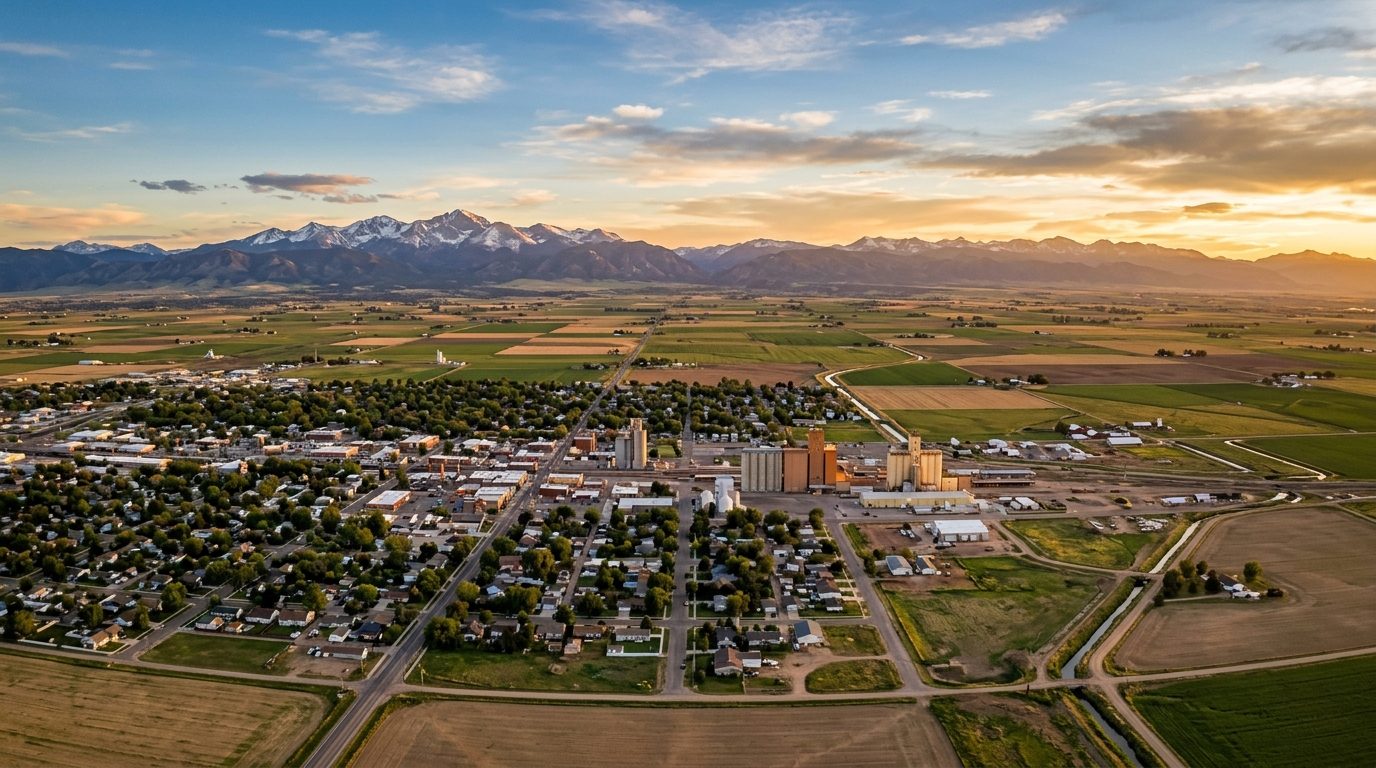
Current real estate market data, news and analysis for the Greeley, CO metropolitan area — 378,426 residents across Weld county.
Data as of May 2026. Sources: Redfin Data Center, U.S. Census Bureau.
Latest Greeley Real Estate News
Coverage of this market is coming soon. Browse all housing market news.
Greeley Real Estate Market Overview
The Greeley metro area occupies the high plains of Weld County in northeastern Colorado, spreading east from the confluence of the Cache la Poudre and South Platte rivers across irrigated farmland and feedlots, and west toward the fast-growing towns lining Interstate 25 between Denver and Fort Collins. Greeley, the county seat, was platted in the nineteenth century as a planned agricultural colony and still has a walkable downtown grid and older brick homes near the University of Northern Colorado campus. Beyond that core, housing shifts to postwar ranch homes and then subdivisions from successive booms since the 1990s. I-25 corridor towns such as Erie, Firestone, Frederick, Dacono, Johnstown, Mead, and Lochbuie, plus Windsor to the northwest, have absorbed much of the metro’s newest housing as growth spills onto former farmland. Smaller towns like Ault, Eaton, Nunn, Grover, Kersey, and La Salle stay more agricultural, with older farmhouses and little multifamily construction.
Towns closest to the I-25 corridor and to Denver and Boulder job centers, such as Erie, Firestone, Frederick, and Mead, tend to sit in higher price tiers, reflecting shorter commutes and newer master-planned construction with amenities like pools, trails, and clubhouses. Windsor, straddling the Larimer-Weld line, commands a similar premium as a lake-oriented bedroom community for Fort Collins and Greeley alike. Newer west Greeley subdivisions near Windsor and Severance price above the city’s historic core and older east-side neighborhoods. Central and east Greeley, and the smaller agricultural towns further out, generally sit in lower tiers, reflecting older housing stock and proximity to farming and energy operations. Fort Lupton, Hudson, Keenesburg, Lochbuie, and Dacono, on the metro’s southern edge, fall in between.
Weld County’s economy blends agriculture, food processing, energy, higher education, and health care. Greeley is headquarters to JBS USA’s beef division, the county’s largest private employer, and the county remains one of the nation’s most productive agricultural counties, anchored by cattle, dairy, and irrigated crops. The University of Northern Colorado is one of the metro’s largest employers and shapes the neighborhoods around its Greeley campus. Banner Health’s North Colorado Medical Center is the region’s principal hospital. Leprino Foods runs a large mozzarella plant in Greeley, and Vestas manufactures wind turbine blades in Windsor. Weld County sits atop the Denver-Julesburg oil and gas basin, and area energy companies remain major employers. Aims Community College and a State Farm office round out the business-services base.
Because Weld County produces a large share of Colorado’s oil and gas output, buyers should check for nearby wells, pipelines, and setback distances, and confirm whether mineral rights are severed from the surface estate, since owning a home does not include the minerals beneath it. Water is worth separate verification: the county relies on Colorado’s prior-appropriation water law, the South Platte basin is fully appropriated most years, and buyers interested in irrigation water, ponds, or agricultural land should confirm what rights attach to a parcel. Property tax rates and mill levies vary across the metro’s towns and metropolitan districts, which fund infrastructure in newer subdivisions and can carry added fees, so buyers should review the taxing jurisdiction tied to a property. Buyers should also verify builder warranties and future phases nearby, since open land beside a property today may see later development, and confirm any irrigation ditches crossing a parcel with local planning staff.
Cities and Towns in the Greeley Metro Area
Notable Communities and Neighborhoods
Greeley Real Estate Market FAQ
How is the Greeley metro area organized geographically?
The metro centers on Greeley, the Weld County seat, near the confluence of the Cache la Poudre and South Platte rivers. From there it extends west and southwest along the Interstate 25 corridor through fast-growing towns like Erie, Firestone, Frederick, Dacono, Johnstown, Mead, and Lochbuie, and northwest to Windsor near the Larimer County line. Smaller, more agricultural towns such as Ault, Eaton, Pierce, Nunn, Grover, Kersey, Gilcrest, La Salle, and Platteville sit further out on the surrounding plains, while Fort Lupton, Hudson, and Keenesburg anchor the metro’s southern edge.
Which areas of the Greeley metro tend to be pricier, and why?
Towns along the I-25 corridor with shorter commutes to Denver and Boulder, including Erie, Firestone, Frederick, and Mead, along with Windsor to the northwest, generally carry higher price tiers because of their newer master-planned subdivisions and amenity packages. West Greeley neighborhoods near Windsor and Severance also tend to price above the city’s historic core and older east-side areas. Smaller, more agricultural towns further from the interstate typically sit in lower tiers, reflecting older housing stock, longer commutes, and closer proximity to farming and energy operations.
What should buyers verify locally before purchasing in the Greeley area?
Buyers should confirm which taxing district and any metropolitan district fees apply to a specific property, since rates and assessments vary town by town and subdivision by subdivision. It is also worth checking builder warranties and planned future development phases near a new-construction lot, verifying any irrigation ditches or water features crossing a parcel with local planning staff, and confirming whether a property carries its own water rights or relies on municipal supply.
What is the risk of oil and gas development or mineral rights in this area?
Weld County is one of Colorado’s most active oil and gas producing counties, and buyers anywhere in the metro may encounter wells, pipelines, or related infrastructure near a property. In Colorado, mineral rights are often severed from surface ownership, meaning a homeowner does not automatically own the minerals beneath the property. Buyers should check well locations and setback distances and review title work to determine whether mineral rights are included with a specific parcel.
Nearby Markets