Entry-Level Buyers Finally Catch a Break on Inventory
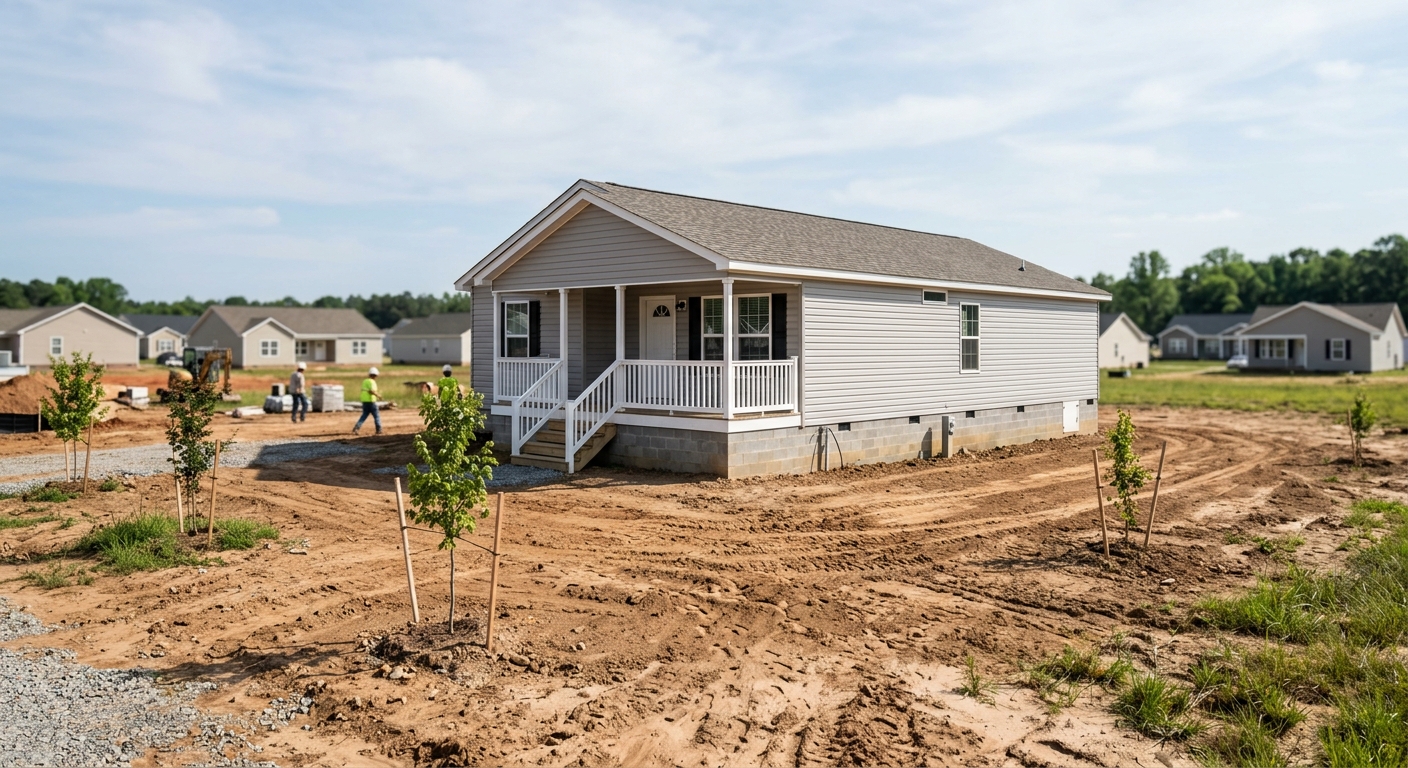
Pending sales in the cheapest 5% of listings rose 10.3% as inventory grew 12.2% — the entry level is loosening faster than the market at large.
Steve Thompson is a staff reporter for RealtyWire, where he covers residential real estate, mortgage trends, home sales, housing market data, real estate finance, industry regulation, and the issues affecting Realtors, buyers, sellers, lenders, and property owners.
Before joining RealtyWire, Steve worked as a mortgage broker, giving him direct experience with the financing side of real estate transactions. His background in the mortgage business gives him valuable insight into how interest rates, lending standards, affordability, buyer demand, and regulatory changes influence the broader real estate market.
Steve brings a practical understanding of home sales, market analysis, real estate trends, financing issues, and the laws and regulations that shape residential real estate. His reporting focuses on making complex market and mortgage-related topics clear and useful for readers across the real estate industry.
He earned a Bachelor of Science in Business from the University of Central Florida and currently lives in Orlando, Florida.
Pending sales in the cheapest 5% of listings rose 10.3% as inventory grew 12.2% — the entry level is loosening faster than the market at large.
Virtual staging is cheaper and faster, but physical staging can create a stronger in-person experience. Here’s how sellers should choose.
The FHFA index was flat in April — but regions ran opposite directions, from New England’s +1.0% month to the Mountain division’s -0.8% drop.
The median asking rent fell 1.5% year over year to $1,692 in June — the 35th straight decline — while weak permitting threatens future supply.
KW acquired Jason Mitchell Group — $5.9B in 2025 volume built on lender and portal referrals — adding a ‘teamerage’ engine to the largest agent network.
The median list price fell 2.5% year over year in June — a record decline — as sellers price realistically from day one and buyers respond with bids.
Bright MLS: June sales rose 7.3% as the Mid-Atlantic median hit a record $460,000 — with higher-income buyers doing the driving.
Retail real estate is tight in 2026. Years of low construction are giving landlords pricing power in well-located centers.
Apartment completions are slowing after a record supply wave. What a multifamily construction pullback could mean for rents.
Build-to-rent communities offer single-family space without a mortgage. Why developers are betting on long-term renters.
A 1031 exchange lets investors defer taxes when swapping investment properties, but the IRS deadlines and rules are strict.
Distressed properties promise discounts but carry title, repair and timeline risks buyers should understand first.
Foreclosure filings rose 14% year over year in May, ATTOM reports. Where distress is building fastest — and why it’s not 2008.
Property taxes are squeezing homeowners hardest in 2026 where assessments lag prices. Where bills are rising the most.
Homeowners insurance nonrenewals are rising as insurers reassess risk. What a nonrenewal notice means and what to do next.
Debt-to-income ratio can make or break a mortgage application. How lenders calculate DTI and the limits that matter in 2026.
FHA and conventional loans help different buyers. Compare down payments, mortgage insurance, credit flexibility and loan limits.
Spec homes are move-in-ready or nearly finished builder homes. Here’s why builders may discount completed inventory.
Real estate contingencies can protect buyers, but they also affect offer strength. Learn inspection, financing and appraisal clauses.
An appraisal gap happens when the appraised value is lower than the purchase price. Here’s what buyers and sellers should know.
Buying vs. renting in 2026 depends on location, time horizon, mortgage rates, rent levels and ownership costs.
Get expert insights, market updates, and new opportunities delivered to your inbox.