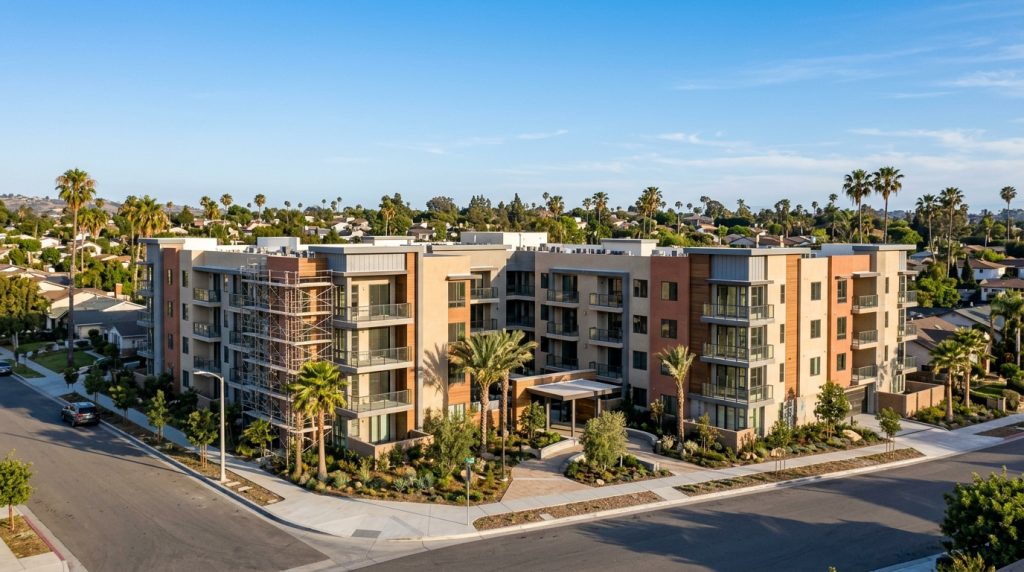
California voters will decide in November whether the state should borrow $11.25 billion to attack its affordable housing shortage, after Gov. Gavin Newsom signed legislation putting the measure on the ballot as Proposition 1. The bond, created through Senate Bill 417 and formally titled the Veterans and Affordable Housing Bond Act of 2026, would be the largest housing-specific bond in state history and marks the Legislature’s biggest single response yet to an affordability crisis that has pushed the statewide median home price above $880,000.
This is a new measure, distinct from a 2024 ballot item that also carried the “Proposition 1” label but funded mental health treatment facilities. Ballot numbering resets with the state’s numbering sequence, and California’s Secretary of State assigned the “Proposition 1” designation to the housing bond for the November 3, 2026, general election as part of certifying the full slate of statewide measures, according to the California Secretary of State’s official certification.
Under the bill text, $10 billion would come from general obligation bonds dedicated to affordable housing programs, while a separate $1.25 billion in self-supporting revenue bonds would fund the CalVet Home Loan Program for veterans and military families. The veterans’ portion is structured to be repaid through mortgage payments rather than the state’s general fund, according to the full text of SB 417.
The nonpartisan Legislative Analyst’s Office, which produces the official fiscal analysis that appears in the state voter guide, estimates the $10 billion housing portion would cost the state roughly $500 million to $600 million annually for about 25 years to repay — a total that runs about 15% higher than the face value of the bonds once interest is included. The veterans’ loan bonds, by contrast, are projected to have no net cost to the state general fund because loan repayments cover debt service. Full details are laid out in the LAO’s ballot analysis of Proposition 1.
According to the fiscal breakdown, the largest single allocation — $7.2 billion — would go toward building and preserving affordable multifamily rental housing. Another $1.1 billion is earmarked for homeownership assistance programs aimed at first-time and lower-income buyers, with smaller set-asides including $500 million for infrastructure that supports affordable housing projects, $450 million for farmworker housing, $350 million for university student housing, and $200 million each for tribal housing grants and local pilot programs. State officials project the bond would help more than 40,000 households buy homes and support construction or preservation of tens of thousands of affordable units statewide.
“With the signing of SB 417, we are giving voters the power to help shape the future of housing in our state,” Newsom said in a statement announcing the bill signing, according to a release from the governor’s office.
The measure passed the Legislature largely along party lines, with Democratic leadership — including Assembly Speaker Robert Rivas and Senate housing committee members — framing it as a necessary follow-up to years of smaller housing bonds and tax incentives that have not kept pace with demand. Opposition has come chiefly from Republican legislators who voted against placing the bond on the ballot and from taxpayer advocacy groups, who argue that bond financing is an expensive way to fund ongoing programs once interest costs are included, and who point to the tens of billions of dollars the state has already spent on housing and homelessness initiatives in recent years without resolving the underlying shortage.
What it means: If voters approve Proposition 1, it would represent the largest infusion of state bond money into affordable housing construction in California’s history, arriving as the state’s housing market remains squeezed by high prices and constrained inventory — statewide median home prices dipped slightly below $900,000 in July but remain far out of reach for many first-time buyers, and rising insurance costs, including a 29.1% FAIR Plan rate increase taking effect this fall, are adding further pressure to ownership costs. For developers of affordable and multifamily housing, the bond would represent a significant new pipeline of subsidized capital if it clears the ballot, though the money would not begin flowing until after voter approval and subsequent bond issuance, likely pushing the earliest construction starts into 2027. For homebuilders and real estate professionals more broadly, passage would also test whether voters remain willing to take on new general-fund-backed debt after years of large state deficits, a dynamic that could shape how future housing bonds are structured. The measure will appear on the same November ballot as a separate, unrelated initiative — the Second Mortgage Homebuyer Program and Revenue Bond Initiative — which would authorize the California Housing Finance Agency to issue up to $25 billion in bonds for a second-mortgage homebuyer program, meaning voters will weigh two large housing-finance measures at once this fall.