
Current real estate market data, news and analysis for the Killeen-Temple, TX metropolitan area — 511,497 residents across Bell, Coryell and Lampasas counties.
Data as of May 2026. Sources: Redfin Data Center, U.S. Census Bureau.
Latest Killeen Real Estate News
Coverage of this market is coming soon. Browse all housing market news.
Killeen Real Estate Market Overview
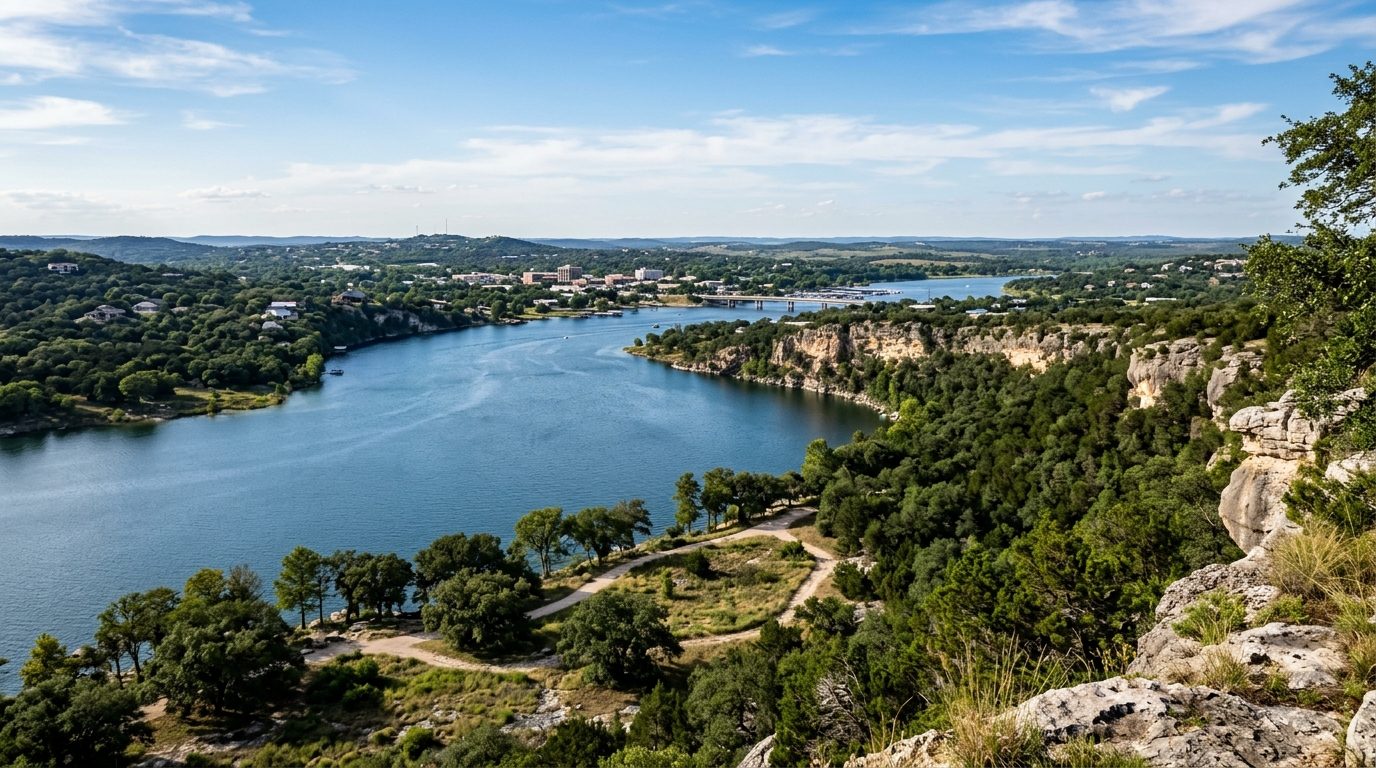
The Killeen-Temple metro covers Bell, Coryell, and Lampasas counties along Interstate 35 between Waco and Austin, where the Blackland Prairie farmland to the east meets the rockier, hillier edge of the Texas Hill Country to the west. The Lampasas and Leon rivers are impounded into Stillhouse Hollow Lake and Lake Belton, and the terrain rolls from flat cropland near Temple and Belton toward cedar-and-oak hills near Lampasas and Gatesville. Fort Cavazos, one of the largest military installations in the world, sits across western Bell and eastern Coryell counties and has shaped the housing stock around it: Killeen, Harker Heights, and Copperas Cove are largely single-story subdivisions built in waves since the 1950s, while Temple and Belton mix historic town-square cores with newer outlying subdivisions, and Lampasas, Gatesville, and the smaller towns keep older downtowns surrounded by ranch and farm acreage.
Salado, a small historic village on the interstate between Belton and Temple, commands a premium for its restored limestone buildings, boutique shops, and Hill Country feel. Newer neighborhoods on Belton’s edges near Lake Belton and Stillhouse Hollow, and hillside subdivisions in Harker Heights overlooking the lake, also draw buyers paying more for water access, trails, and newer construction. Neighborhoods closest to Fort Cavazos in central Killeen and in Copperas Cove skew toward older, smaller homes with heavier rental turnover tied to the base’s rotation of soldiers. Temple’s older core near downtown and the hospital district is more modest than its newer subdivisions farther out. The rural reaches of Lampasas and Coryell counties, and small towns like Rogers, Holland, and Kempner, price more on acreage than on neighborhood amenities.
Fort Cavazos, with its soldiers, families, civilian staff, and contractors, is by far the region’s largest employment driver and the reason Killeen, Harker Heights, Copperas Cove, and Nolanville grew up around its gates. Healthcare is the other major pillar: Baylor Scott & White Medical Center – Temple is a large regional hospital and the area’s only Level I trauma center, anchoring a broader medical campus in Temple. Temple is also headquarters to McLane Company, a Berkshire Hathaway-owned supply chain and distribution business, and hosts regional distribution centers for H-E-B and Walmart. Higher education adds further jobs and population through Texas A&M University-Central Texas and Central Texas College in Killeen, the University of Mary Hardin-Baylor in Belton, and Temple College.
Central Texas sits within what meteorologists call Flash Flood Alley, where thin soil, low-water crossings, and creeks that rise fast after heavy rain make floodplain location and drainage worth checking on flood maps before closing, not just a property’s elevation on paper. Texas has no state income tax, so cities, counties, and school districts lean on property taxes, and rates vary by which taxing jurisdictions and any utility or municipal districts a parcel falls under. Because Fort Cavazos drives much of the rental and resale market, deployment and reassignment cycles affect turnover and inventory nearby. Outside incorporated cities, zoning is limited, so future land use and easements are worth confirming with the county. In smaller towns and unincorporated areas, buyers should also check whether a home relies on well and septic versus public water and sewer, confirm its school district, and review HOA rules in newer subdivisions.
Cities and Towns in the Killeen Metro Area
Notable Communities and Neighborhoods
Killeen Real Estate Market FAQ
How is the Killeen-Temple metro geographically organized?
The metro is built along the Interstate 35 spine through Bell, Coryell, and Lampasas counties. Killeen, Harker Heights, Copperas Cove, and Nolanville cluster around Fort Cavazos in the western part of the metro, Temple and Belton sit along the interstate corridor to the east with lakes formed by the Lampasas and Leon rivers between them, and Lampasas and Gatesville anchor more rural, ranch-oriented areas to the west and northwest.
Which areas in this metro tend to be pricier, and why?
Salado’s historic village core and Belton’s newer neighborhoods near Lake Belton and Stillhouse Hollow, along with hillside subdivisions in Harker Heights, tend to command more due to their setting, water access, and newer construction. Areas closest to Fort Cavazos in central Killeen and in Copperas Cove skew more affordable and rental-heavy given the base’s steady turnover of military families, while outlying rural parts of Lampasas and Coryell counties price on acreage rather than neighborhood amenities.
What should buyers verify locally before purchasing here?
Check a property’s flood zone and drainage given the area’s flash-flood-prone creeks and low-water crossings, confirm whether it’s served by public water and sewer or relies on well and septic (common in unincorporated areas and smaller towns), verify which school district and campus it’s zoned to since ISD boundaries can split neighborhoods, and review any HOA covenants in the newer master-planned subdivisions around Belton and Salado.
What regional risk factors are distinctive to this metro?
Central Texas falls within what meteorologists call Flash Flood Alley, where thin soil and steep-sided creeks can turn heavy rainfall into fast-rising water, so floodplain status and local drainage matter more here than in flatter parts of the state. Because Fort Cavazos anchors so much of the local economy and rental market, buyers should also be aware that deployment and reassignment cycles at the base can influence turnover and demand in nearby neighborhoods.
Nearby Markets