Buyers do not see a loose doorknob as a loose doorknob. They see it as a question: what else in this house has been neglected? That is why repairs are not cosmetic busywork — they are how you protect your asking price. A home that feels cared for earns confident offers; a home with visible small problems invites low ones.
Here is where to focus, drawn from the repair checklists I use in my own listing preparation.
Start at the curb
Buyers form their first impression before they reach your door. Walk the approach and fix what you find: uneven or cracked walkway pavers, driveway potholes and oil stains, peeling shutters, clogged gutters, rotten deck boards, loose railings. Power washing is the cheapest transformation in real estate — siding, walkways, soffits, and driveway. And look up: moldy soffits and spider webs make a house look haunted, and a haunted-looking house takes longer to sell.
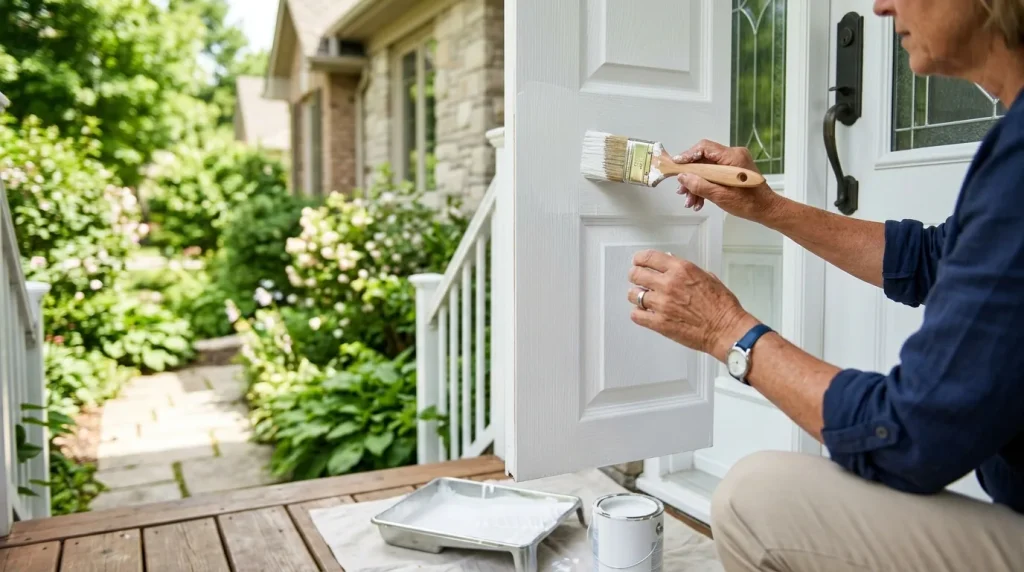
The front entrance deserves special attention because buyers linger there while their agent opens the door. The doorbell should work, the door should open smoothly, the hardware should not wiggle, and a fresh coat of paint on the door itself is money well spent.
Fix the surfaces buyers touch and walk on
Inside, floors and walls carry the impression of the whole house. Replace cracked tiles and refresh dirty grout. Refinish scratched hardwood in high-traffic areas and fix squeaky boards. Professionally clean carpets — or replace them if stains and wear will not lift, and if there is hardwood hiding underneath, pulling the carpet up may be the best update in the house. On walls and ceilings, patch every crack and nail hole, fix water stains at the source before repainting with a stain-blocking primer, and strip dated wallpaper.
Kitchens and bathrooms: small fixes, big scrutiny
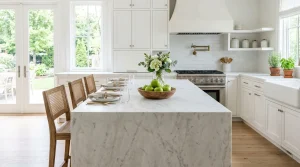
These are the two most scrutinized rooms in any home, and buyers will open everything. Tighten hinges, align cabinet doors, and touch up scratches with a stain marker. Check under every sink — buyers treat anything unusual under a sink as evidence of leaks, even when there are none. In bathrooms, replace tired caulk, fix running toilets and dripping faucets, and make sure exhaust fans actually vent. Fresh white caulk and clean grout cost almost nothing and read as meticulous maintenance.
The deal-killers: water, mold, and pests
Some problems do not lower offers — they end them. Water stains, active leaks, visible mold, and termite damage are the red flags that make buyers walk. Fix the source, not just the symptom, dry everything thoroughly, and hire professionals for mold remediation and pest treatment. Then keep the records. Documentation of proper repairs reassures buyers and protects you at the negotiating table. For a full pre-sale punch list, see our guide on what sellers should fix before listing.
Do a final walk-through before the photographer arrives
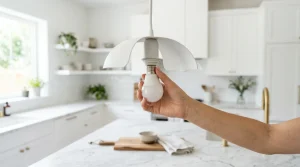
When the work is done, walk the entire property one more time with a checklist: test every light switch, faucet, door, and window; run the HVAC; check that every bulb in each fixture matches in color temperature. It is the same discipline a buyer’s inspector will apply later — better you find it first. Our home inspection checklist shows exactly what they will be looking for.
This article is adapted from my book, SELL SMART: The Proven Formula for Getting Top Dollar for Your Home, which includes room-by-room repair checklists.