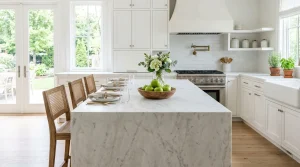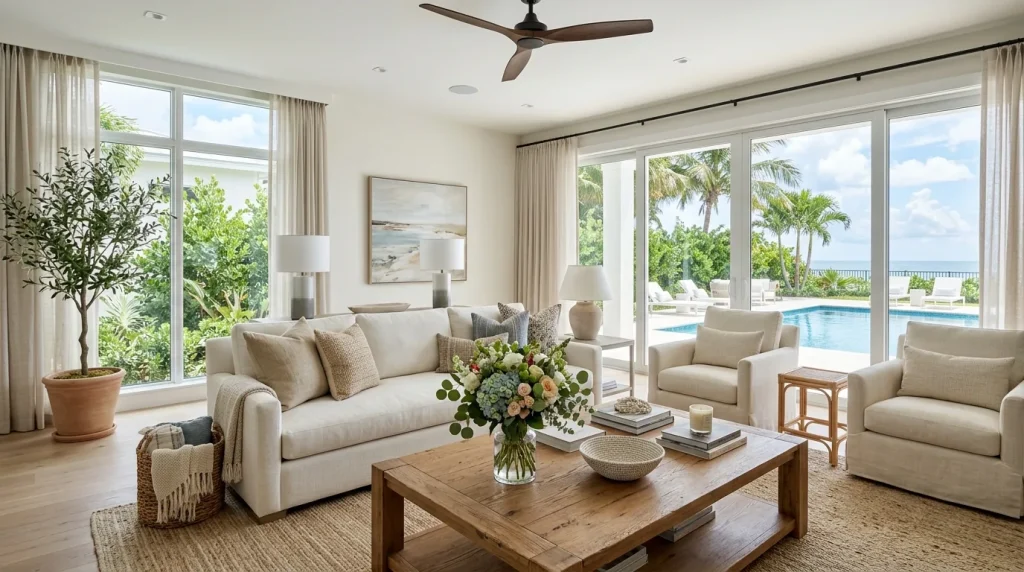
Yes, home staging works — and the gap between staged and unstaged homes is bigger than most sellers realize. A 2021 National Association of REALTORS study found that well-staged homes typically sold within 23 days, compared to 184 days for non-staged homes. In 30-plus years of selling real estate and hundreds of staging consultations, I have watched that pattern repeat in every kind of market.
Staging is not decorating, and it is not optional polish. It is a sales strategy, and the data behind it is worth understanding before you list.
The numbers behind staging
- Staged properties spend about 73% less time on the market than non-staged ones, according to the Real Estate Staging Association.
- In a Home Staging Resources survey of more than 4,200 homes, 85% of staged homes sold for 6% to 25% more than comparable unstaged homes.
- 81% of buyers say staging makes it easier to imagine a property as their next home.
- 28% of REALTORS report that staging helps buyers overlook faults like a small backyard or a missing amenity.
- In some markets, MLS data shows a furnished, staged home can sell for as much as $150 more per square foot than an empty one.
Faster matters as much as higher. Every extra month on the market is another month of mortgage payments, utilities, insurance, and price-cut pressure. When a home sells in weeks instead of months, that carrying cost goes back into your pocket.
Why it works: buyers purchase a life, not a structure
About 97% of buyers start their search online, and the decision to add your home to their must-see list happens in the first few photos — often within about three seconds of seeing the lead image. Staged rooms photograph dramatically better, which is why they earn more clicks, more showings, and more offers.
Then there is the showing itself. Most buyers simply cannot look past what is in front of them. Research suggests up to 90% struggle to see beyond the current owner’s furniture, clutter, and color choices. Builders have understood this for decades — it is why model homes exist. A staged home does the imagining for the buyer: the reading nook by the window, the dining table set for company, the bedroom that feels like a hotel suite. That emotional connection is what turns a maybe into an offer.
Staging is not interior design
Interior design serves your taste. Staging serves the market. Design invests in pieces you will love for years; staging spends only where it raises the sale price — paint, lighting, decluttering, and rearranging what you already own. The result is intentionally more neutral and more spare than a lived-in home, because the goal is to let the widest possible pool of buyers project their own lives onto the space. For a look at how staging has evolved, see our report on what still matters to buyers in home staging, and how it compares with virtual staging.
The bottom line
Money spent preparing a home is not an expense — it is an investment, and by some industry estimates the return on staging can run as high as 550%. Most of the highest-return work costs little: decluttering, deep cleaning, neutral paint, and better lighting. The sellers who skip it usually pay for it later, in price reductions.
This article is adapted from my book, SELL SMART: The Proven Formula for Getting Top Dollar for Your Home, which walks through the entire preparation process step by step.