Thanksgiving week compressed a full calendar of housing data and federal housing policy into three working days. Mortgage rates eased slightly and new-home sales rose sharply. The inflation reading that came out alongside them, though, makes a December rate hike look more likely, not less.
Rates down a little, inflation up
Freddie Mac’s Primary Mortgage Market Survey, released a day early on Nov. 25 because of the holiday, put the 30-year fixed rate at 7.21%, down from 7.28% the week before. A year earlier it was 6.23%. That gave back most of the previous week’s increase. The October inflation data then pointed the other way. The Bureau of Economic Analysis reported that the PCE price index, the Fed’s preferred inflation gauge, rose 3.8% from a year earlier. Core PCE rose 3.3%. NAHB called it a three-year high. RealtyWire covered both releases together.
Those readings land just ahead of the Fed’s Dec. 8-9 meeting. Minutes released the previous week showed that almost all officials expected further hikes to be appropriate. On our reading, the small drop in mortgage rates does little to change that outlook. For agents, that means buyers are facing a 7% market for at least one more month.
Builders sold more homes by cutting prices
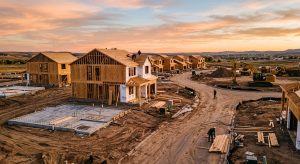
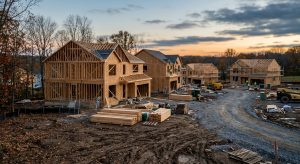
Census reported that new-home sales jumped 14.2% in October to a seasonally adjusted annual rate of 701,000, the highest since December 2025. Most of the gain came from the South. Two details make the jump smaller than it looks. September was revised down sharply, to 614,000 from 676,000. And the median new-home price slipped to $391,300, down 3.2% from a year earlier. Builders are moving houses, but they are doing it through price cuts and incentives, consistent with the builder sentiment readings, the weakest since 2012, that we reported the week before.
Price data showed the same weakness. The Case-Shiller national index rose 2.1% year over year in September, trailing inflation for a 16th straight month. Chicago led the gains and Seattle had the weakest results. FHFA’s quarterly index rose 2.5% from a year earlier, and the Washington, D.C., metro division fell 4.9%. The Fed’s Beige Book described housing weakening across districts, with Dallas contacts pointing to rates “eclipsing 7 percent.” On the demand side, Zillow said engaged shoppers per listing fell to 3.5, the lowest since it began tracking the measure.
FHFA’s year-end decisions
The housing finance regulator issued three decisions in two days:
- The 2027 conforming loan limit rises to $855,400, with a high-cost ceiling of $1,283,100. Both take effect Jan. 1.
- Multifamily purchase caps stay at $88 billion each for Fannie Mae and Freddie Mac, with at least half required to be mission-driven affordable lending.
- FHFA published a FICO 10T timeline. Pilots begin in December 2027, broad eligibility arrives in September 2028, and Classic FICO is retired at the same time.
The loan-limit increase is modest. The credit-score timeline matters more for lenders, who now have target dates for a nearly two-year systems project.
New York’s busy week
Two New York developments will matter beyond the state. On Nov. 20, Gov. Kathy Hochul signed the Fair and Transparent Real Estate Listings Act. It requires homes to be publicly marketed unless the seller signs a state opt-out form, and it takes effect May 19, 2027. On Nov. 25, a state judge upheld the rent freeze on about 1 million stabilized apartments, finding that it had a rational basis. The landlords’ lawyer said they were considering next steps. Also this week, 22 states and 19 local governments sued HUD to block its rule ending aid to mixed-status families.
What changed since last week
The previous week brought record-low pending sales, builder confidence at its lowest since 2012 and permits at their lowest since May 2020. This week’s data were mixed rather than uniformly weak: rates came down slightly and new-home sales rose. The underlying problems did not change. Inflation is rising, prices are lagging inflation and buyer engagement is falling. Banks are still lending to builders. FDIC data analyzed by NAHB show single-family construction loans at their highest since early 2024, even as nonaccrual balances rise. The next test is the Dec. 4 jobs report, followed by the Fed’s decision.