
Current real estate market data, news and analysis for the Norwich-New London-Willimantic, CT metropolitan area — 284,015 residents across Southeastern Connecticut Planning Region county.
Data as of May 2026. Sources: Redfin Data Center, U.S. Census Bureau.
Latest Norwich Real Estate News
Coverage of this market is coming soon. Browse all housing market news.
Norwich Real Estate Market Overview
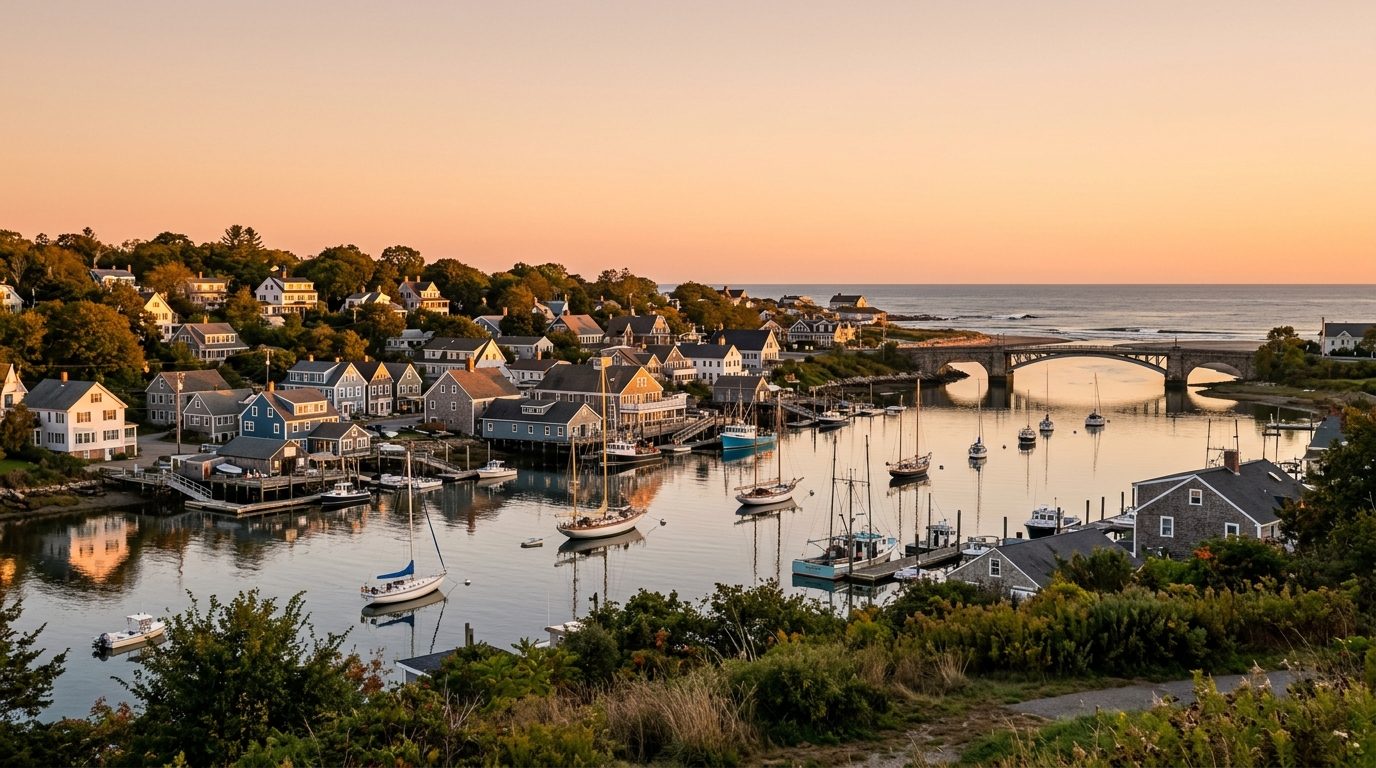
The Norwich-New London-Willimantic metro sits within the Southeastern Connecticut Planning Region, a stretch of shoreline and inland countryside where the Thames River empties into Long Island Sound. Coastal towns such as Groton, Stonington, Waterford, and East Lyme front the Sound with harbors, tidal coves, and beaches, while Norwich, Colchester, Lebanon, and other inland communities occupy rolling, wooded terrain along the Yantic, Shetucket, and Quinebaug rivers. The region’s housing stock reflects centuries of settlement: colonial and Federal-era homes cluster around historic town greens in Norwichtown, Stonington Borough, and Lebanon; mill-worker cottages and Victorian houses fill former manufacturing villages like Greeneville and Yantic in Norwich; and shingle-style cottages and capes line the shoreline villages of Mystic, Noank, and Niantic. Newer subdivisions and ranch-style homes fill out inland and suburban pockets nearer Groton, Waterford, and Montville.
Waterfront and near-water communities generally sit at the higher end of the market compared with inland towns, reflecting limited buildable shoreline, direct Long Island Sound or river access, and preserved historic village character. Stonington Borough, Mystic, Noank, and Groton Long Point, along with waterfront sections of Waterford and East Lyme, fall into this higher tier. Inland and northern towns such as Colchester, Lebanon, Franklin, Bozrah, and Griswold tend to be more affordable, offering larger lots and newer construction but without direct water access. Norwich itself spans a range, from the historic Norwichtown and Chelsea Parade neighborhoods to more modestly priced former mill villages, while Montville and Ledyard sit between the coastal and inland tiers depending on proximity to the Thames River, Uncasville, and the Mohegan Sun and Foxwoods casino corridor.
The regional economy centers on defense shipbuilding, pharmaceuticals, and tribal gaming. General Dynamics Electric Boat, headquartered on the Thames River in Groton, designs and builds United States Navy submarines and ranks among the region’s largest private employers; the adjacent Naval Submarine Base New London supports the Atlantic submarine fleet. Pfizer operates one of its largest global research and development campuses in Groton, a site with roots in the company’s mid-twentieth-century antibiotic manufacturing operations. The Mohegan Tribe’s Mohegan Sun in Montville and the Mashantucket Pequot Tribal Nation’s Foxwoods Resort Casino in Ledyard are major regional employers built on sovereign tribal land. Connecticut College in New London and Lawrence + Memorial Hospital add to the area’s institutional employment base.
Several local factors are worth weighing before buying in this region. Coastal and near-river properties in towns such as Groton, Stonington, Waterford, and East Lyme can fall within FEMA-mapped flood zones and face hurricane and nor’easter storm exposure, so confirming flood zone status and current flood insurance availability is important before purchase. Connecticut sets and collects property taxes at the town level rather than through a county government, so mill rates differ from one town to the next and should be confirmed directly with the local assessor. The Mohegan and Mashantucket Pequot reservations, home to Mohegan Sun and Foxwoods Resort Casino, are sovereign tribal land with their own jurisdiction, relevant to buyers considering property near Uncasville or Ledyard. Much of the region’s older housing stock, including colonial-era homes around historic greens in Norwichtown and Stonington Borough, may carry local historic-district design review requirements or older wiring and septic systems that warrant inspection. Amtrak’s shoreline route through New London offers rail service toward New York City and Boston.
Cities and Towns in the Norwich Metro Area
Notable Communities and Neighborhoods
Norwich Real Estate Market FAQ
How is the Norwich-New London-Willimantic housing market organized geographically?
The market spans a Long Island Sound coastline and an inland river valley within the Southeastern Connecticut Planning Region. Shoreline towns including Groton, Stonington, Waterford, and East Lyme front the Sound and the mouth of the Thames River, while Norwich and inland towns such as Colchester, Lebanon, and Griswold sit along the Yantic, Shetucket, and Quinebaug rivers farther from the coast. Buyers typically choose between coastal villages, the urban core of Norwich, and quieter inland towns depending on desired access to water, employers, and commuter rail.
Which areas within the region tend to be pricier, and why?
Shoreline and near-water communities such as Stonington Borough, Mystic, Noank, and Groton Long Point, along with waterfront sections of Waterford and East Lyme, tend to sit at the higher end because buildable shoreline is limited and these villages retain historic character and direct Sound or river access. Inland towns like Colchester, Lebanon, Franklin, and Bozrah are generally more affordable, trading water access for larger lots and newer construction.
What should buyers verify before purchasing a home in this region?
Because the region mixes very old and much newer housing stock, buyers should confirm a home’s water and septic systems, heating system, wiring, and any historic-district design restrictions in places like Norwichtown or Stonington Borough. It is also worth confirming municipal property tax mill rates directly with the town assessor, since Connecticut sets and administers property taxes at the town level and rates differ from one town to the next, and checking proximity to major employers such as Electric Boat, Naval Submarine Base New London, or Pfizer if commuting matters.
What coastal flood or storm risk should buyers be aware of?
Properties along Long Island Sound and tidal rivers such as the Thames and the Mystic River can fall within FEMA-mapped flood zones and face hurricane and coastal storm exposure. Buyers considering waterfront or near-water homes in towns like Stonington, Groton, Waterford, or East Lyme should request flood zone determinations and elevation certificates and check current flood insurance availability and requirements before purchasing.
Nearby Markets