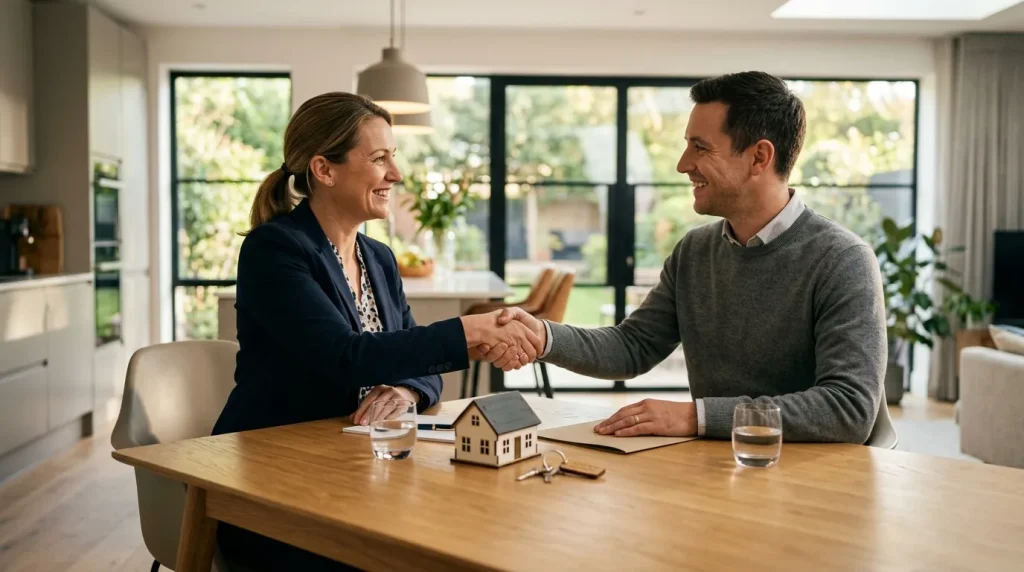
Negotiation is where a home sale is won or lost — and it starts long before the first offer arrives. After three decades of negotiating real estate transactions, I can tell you the sellers who come out ahead are not the toughest talkers. They are the best prepared. Whether your REALTOR handles the bargaining or you are going solo, understanding how the game works puts you in control of it.
Every negotiation runs on three levers
Strip away the drama and real estate negotiation comes down to three forces you can manage:
- Competition. Buyers behave differently when they believe others want the house. Genuine interest from multiple parties is your strongest position — and it is one more reason presentation matters, since well-staged homes attract more offers. Never fabricate competing offers, but never hide real interest either.
- Time. The party in a hurry gives ground. If buyers sense you must sell quickly, expect leaner offers; if they are the ones on a deadline — a job relocation, an expiring lease — flexibility on closing dates can be worth thousands to them and cost you nothing.
- Information. Guard your own motivations and learn theirs. Your urgency, your bottom line, and your reasons for selling stay private. Their timeline, their financing, and what they love about the house are all worth knowing — ask questions and listen.
Set the anchor deliberately
The listing price frames every conversation that follows — negotiators call it the anchor. Price from a solid Comparative Market Analysis and the anchor works for you: offers cluster near a defensible number. Price on emotion and the anchor works against you, either scaring buyers off or costing you money. Strong data — comparable sales, condition, documented improvements — is also your best defense when a buyer argues the price down.
Negotiate more than the price
Some of the most valuable concessions never touch the sale price. Flexible closing dates, a rent-back period, appliances or furnishings included or excluded, repair credits instead of repairs — these terms can bridge a gap that price alone cannot. Before offers arrive, decide what you are willing to give and what is off the table, so you negotiate from a plan instead of a reaction. It also pays to understand how contingencies work and when a concession beats a price cut.
Handle offers with a cool head
- Qualify every buyer. A pre-approval letter or, for cash buyers, proof of funds — before you negotiate seriously. An exciting offer from an unqualified buyer is a delayed disappointment.
- Multiple offers are a package decision. The highest number is not automatically the best offer once you weigh financing strength, contingencies, and closing certainty.
- Silence is a tool. After stating your position, stop talking. Rushing to fill quiet air is how sellers negotiate against themselves.
- Know your walk-away point in advance. Deciding your minimum acceptable outcome before negotiations begin keeps a heated moment from becoming a bad decision.
Keep the emotion out of the room
You have years of memories in the house; the buyer has a spreadsheet. Inspection findings and lowball offers are not insults — they are moves in a process. This emotional buffer is, honestly, one of the biggest advantages a good REALTOR provides: someone who negotiates your interests without your attachments. If you are representing yourself, build that detachment deliberately. The goal is not to win an argument. It is to close a sale on terms you chose.
This article is adapted from my book, SELL SMART: The Proven Formula for Getting Top Dollar for Your Home, which covers negotiation strategy in depth.