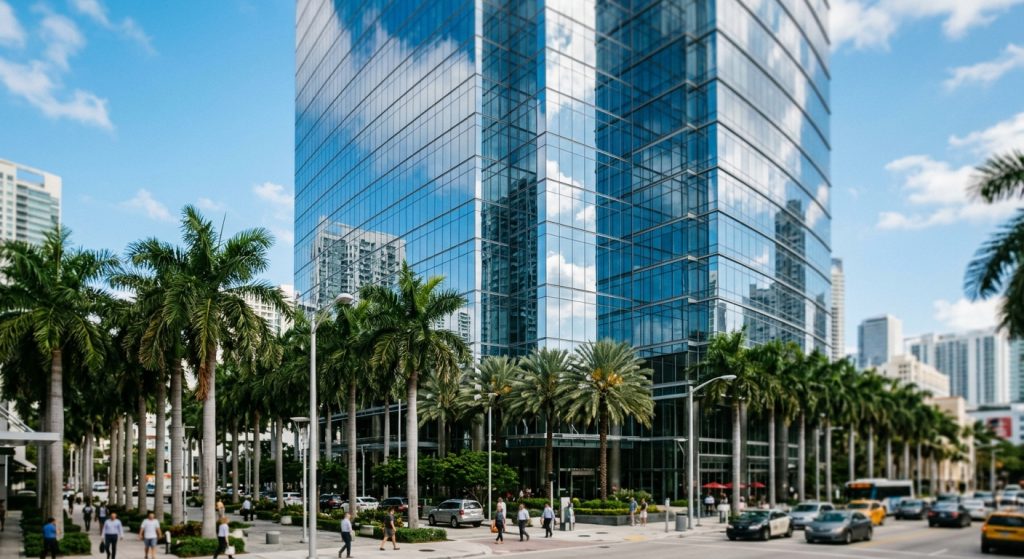
The Williams Companies has purchased Williams Tower, the 64-story office skyscraper in Houston that carries its name, in a deal that closed Monday for $300 million, Houston television station KHOU reported. The Tulsa, Okla.-based energy company bought the tower from an entity tied to Invesco Real Estate, which paid $412 million for the building in 2013, leaving the seller with a loss of more than $100 million after 13 years of ownership.
The purchase also includes an adjacent parking garage, Glen Jasek, a Williams senior vice president, told local reporters. Jasek said the deal gives the company more room to grow its presence in Houston.
Williams Tower sits at 2800 Post Oak Blvd. in Houston’s Galleria/Uptown district. The 1.4 million-square-foot building rises about 901 feet, making it one of the tallest office towers in Texas outside a downtown core. Developer Hines completed it in 1983 as Transco Tower, and it was renamed after Williams acquired Transco Energy Co. in 1995. The tower is about 83% leased, according to Tulsa’s News on 6.
Williams does not plan to relocate its corporate headquarters from Tulsa to the tower, News on 6 reported, but the company said it intends to invest in the building and add amenities for employees and other tenants. Williams employs roughly 800 people in Houston, compared with about 1,300 in Tulsa, according to the station’s report.
Why Invesco sold Williams Tower in Houston at a loss
Invesco Real Estate, a unit of Atlanta-based Invesco Ltd., acquired Williams Tower from Hines for $412 million in 2013, Bloomberg reported at the time. Monday’s $300 million sale to Williams means Invesco recovered roughly $112 million less than it paid, even after more than a decade of ownership through a period that included the 2015 oil-price downturn and the pandemic-era shift away from office work. The sale is also a notable case of a company becoming owner-occupant of the building carrying its own corporate name, rather than remaining a tenant.
The transaction adds to a wave of activity in Houston’s office and broader commercial real estate market this year, as banks have returned to commercial real estate lending after a slower stretch and analysts have described the office sector as stabilizing after several difficult years.
What it means
The 2026 purchase price, closing date, buyer and seller come from KHOU’s reporting; the 2013 acquisition price comes from Bloomberg’s contemporaneous coverage of that earlier sale. RealtyWire was unable to independently verify a county-recorded sale price, since Texas does not require public disclosure of transaction amounts in deed filings. Jasek’s characterization of the deal as an opportunity for growth is the company’s own framing, not verified fact. RealtyWire’s analysis: the gap between the 2013 and 2026 sale prices reflects a broader decline in Houston office values over the past decade amid elevated vacancy and higher interest rates, though this piece does not predict where office values go from here.